Curator's PicksSubmit a projectShare your work

Explore by Country

AfghanistanAfricaAlbaniaAlgeriaAmerican SamoaAndorraAngolaAnguillaAntarcticaArgentinaArmeniaAsiaAustraliaAustriaAzerbaijanBahamasBahrainBangladeshBarbadosBelarusBelgiumBeninBoliviaBosnia and HerzegovinaBotswanaBrazilBritish Indian Ocean TerritoryBrunei DarussalamBulgariaCambodiaCameroonCanadaChileChinaChristmas IslandColombiaCosta RicaCote D'ivoireCroatiaCubaCyprusCzech RepublicDemocratic People's Republic of KoreaDenmarkDominican RepublicEcuadorEgyptEl SalvadorEstoniaEthiopiaEuropeFijiFinlandFranceFrench GuianaFrench Southern TerritoriesGeorgiaGermanyGhanaGlobalGreeceGuadeloupeGuatemalaGuyanaHaitiHondurasHong KongHungaryIcelandIndiaIndonesiaIranIraqIrelandIsraelItalyJamaicaJapanJordanKazakhstanKenyaKuwaitKyrgyzstanLatviaLebanonLibyaLithuaniaLuxembourgMacedoniaMadagascarMalaysiaMaldivesMaliMaltaMarshall IslandsMauritiusMexicoMoldovaMonacoMongoliaMontenegroMoroccoMyanmarNepalNetherlandsNew CaledoniaNew ZealandNicaraguaNigeriaNorth AmericaNorwayOceaniaOmanPakistanPalestiniaPanamaPapua New GuineaParaguayPeruPhilippinesPolandPortugalPuerto RicoQatarRepublic of KoreaRepublic of KosovoRomaniaRussian FederationSan MarinoSao Tome and PrincipeSaudi ArabiaSenegalSerbiaSeychellesSingaporeSlovakiaSloveniaSomaliaSouth AfricaSouth AmericaSpainSri LankaSudanSwazilandSwedenSwitzerlandSyrian Arab RepublicTaiwanTajikistanThailandTrinidad and TobagoTunisiaTurkeyTurkmenistanUgandaUkraineUnited Arab EmiratesUnited KingdomUnited StatesUnited States Minor Outlying IslandsUruguayUzbekistanVanuatuVenezuelaViet NamVirgin Islands, U.S.YemenZambiaZimbabwe

Materials

Browse all

Armenian Wine

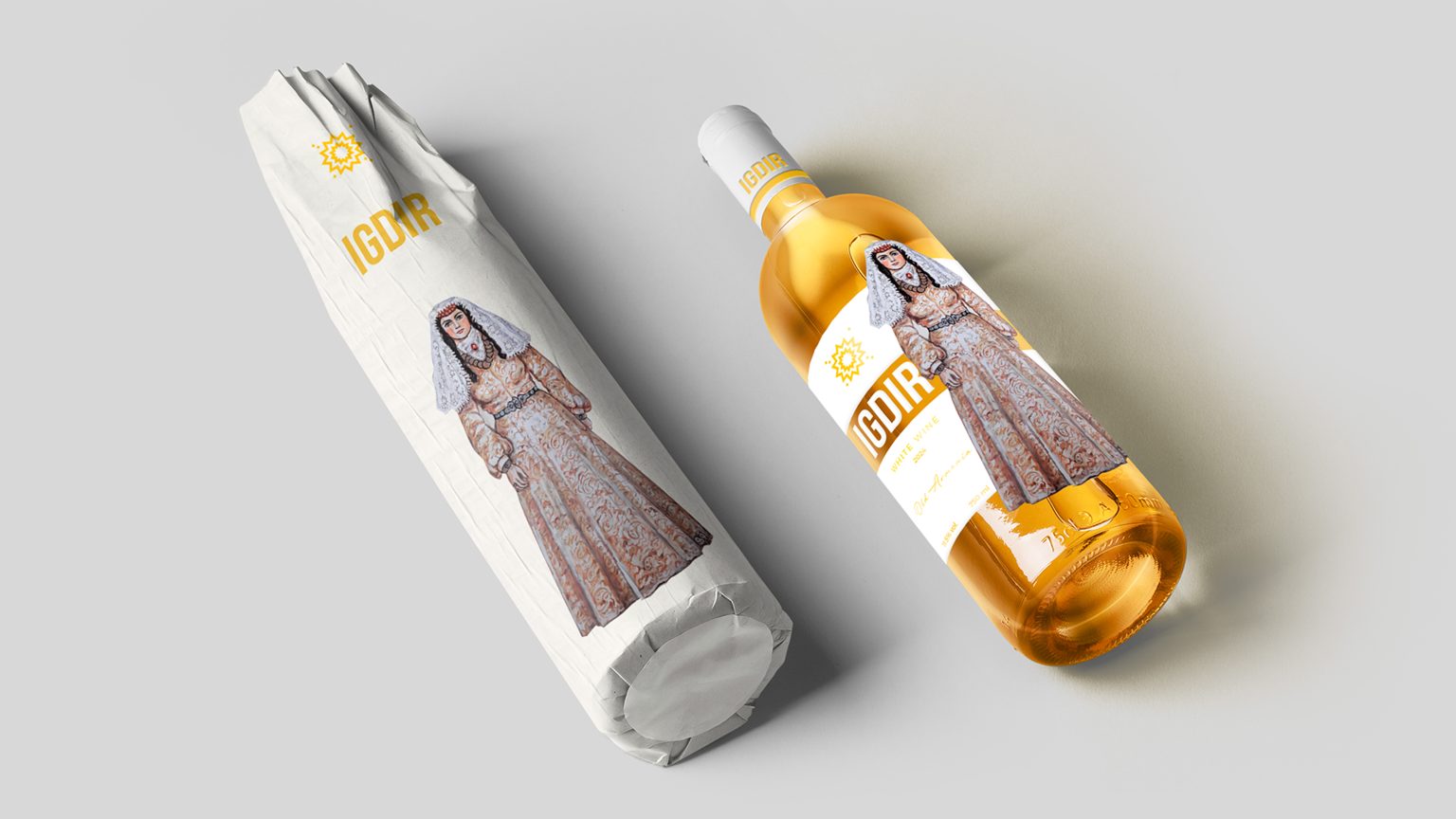
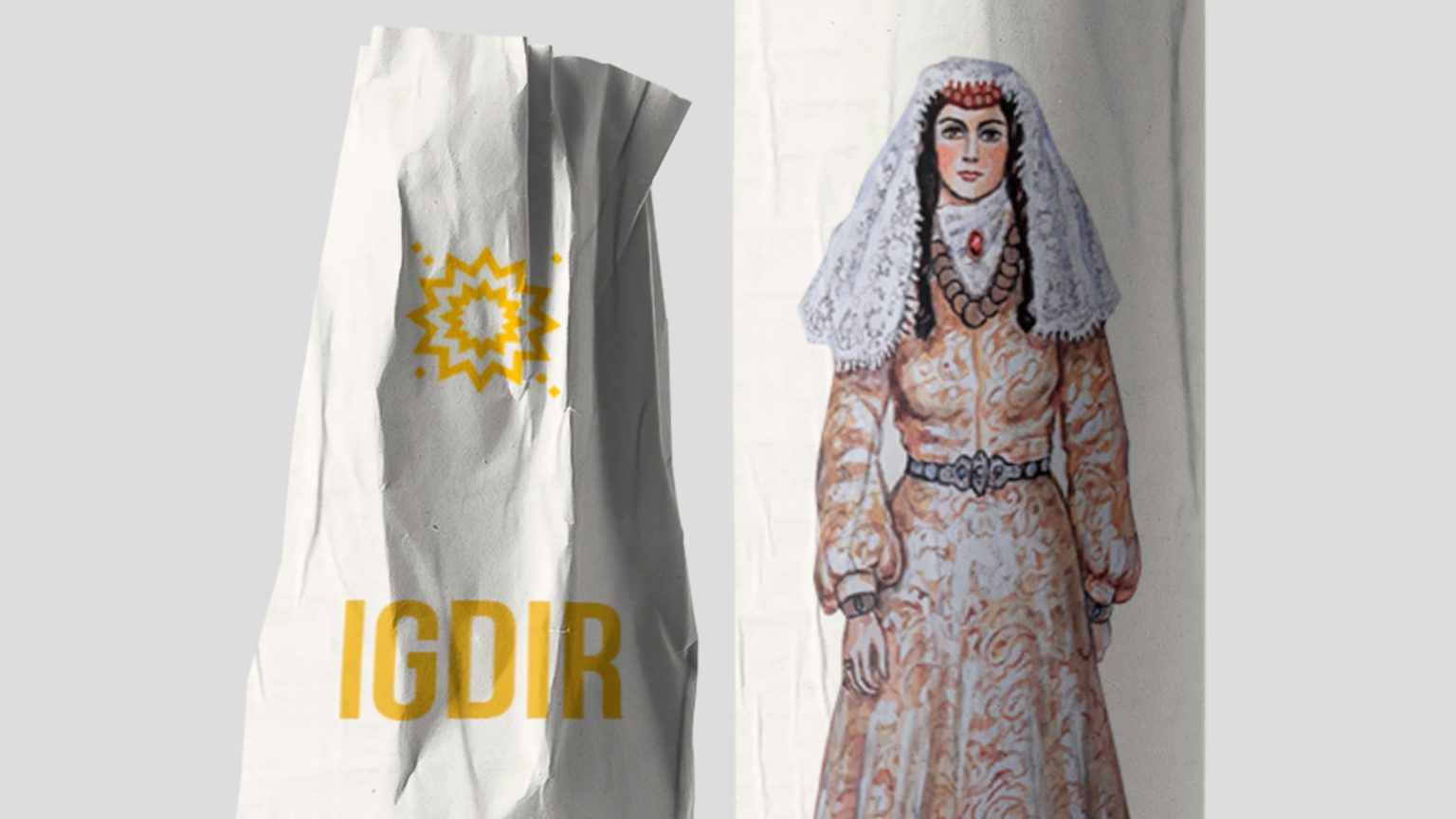
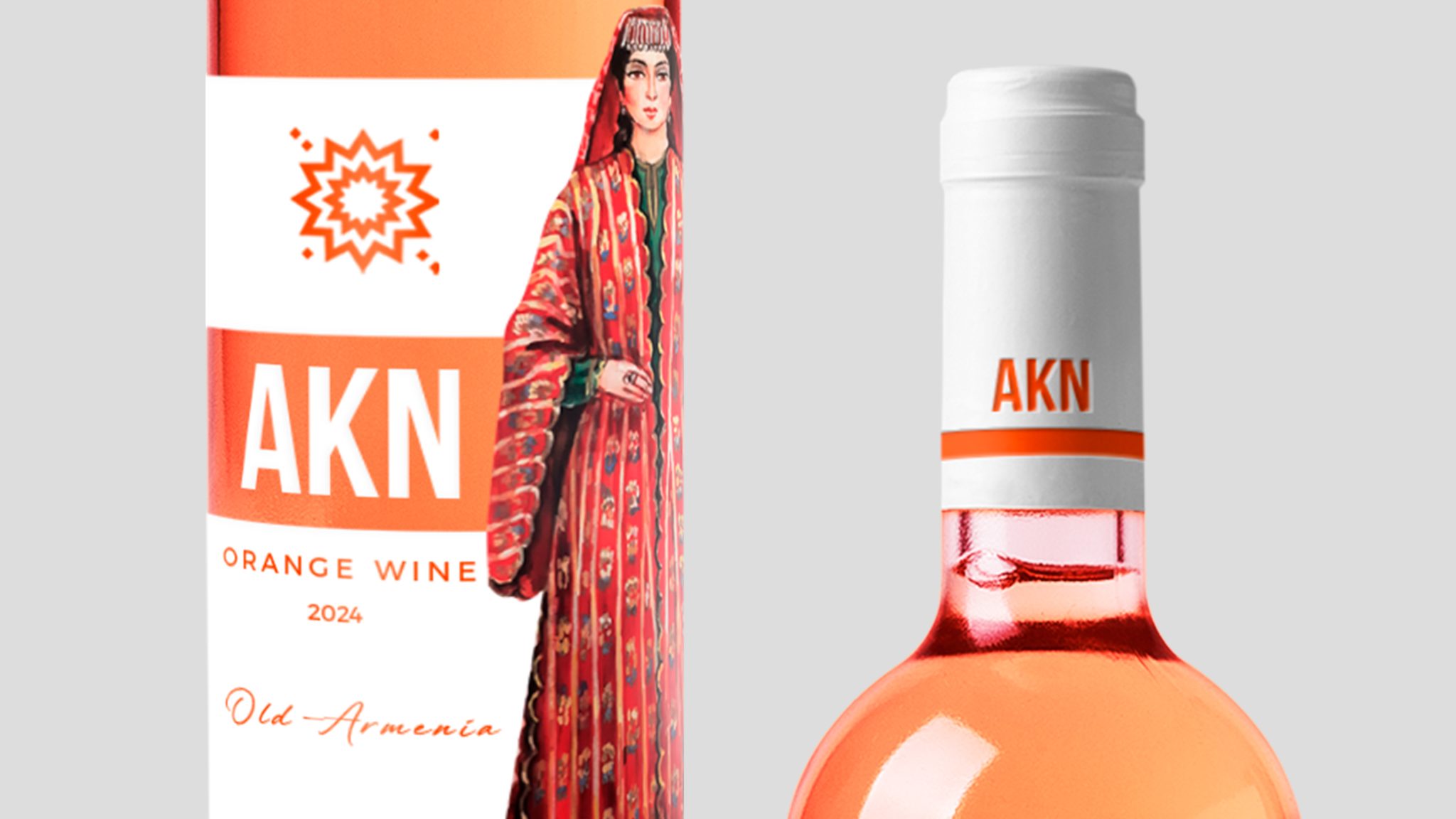
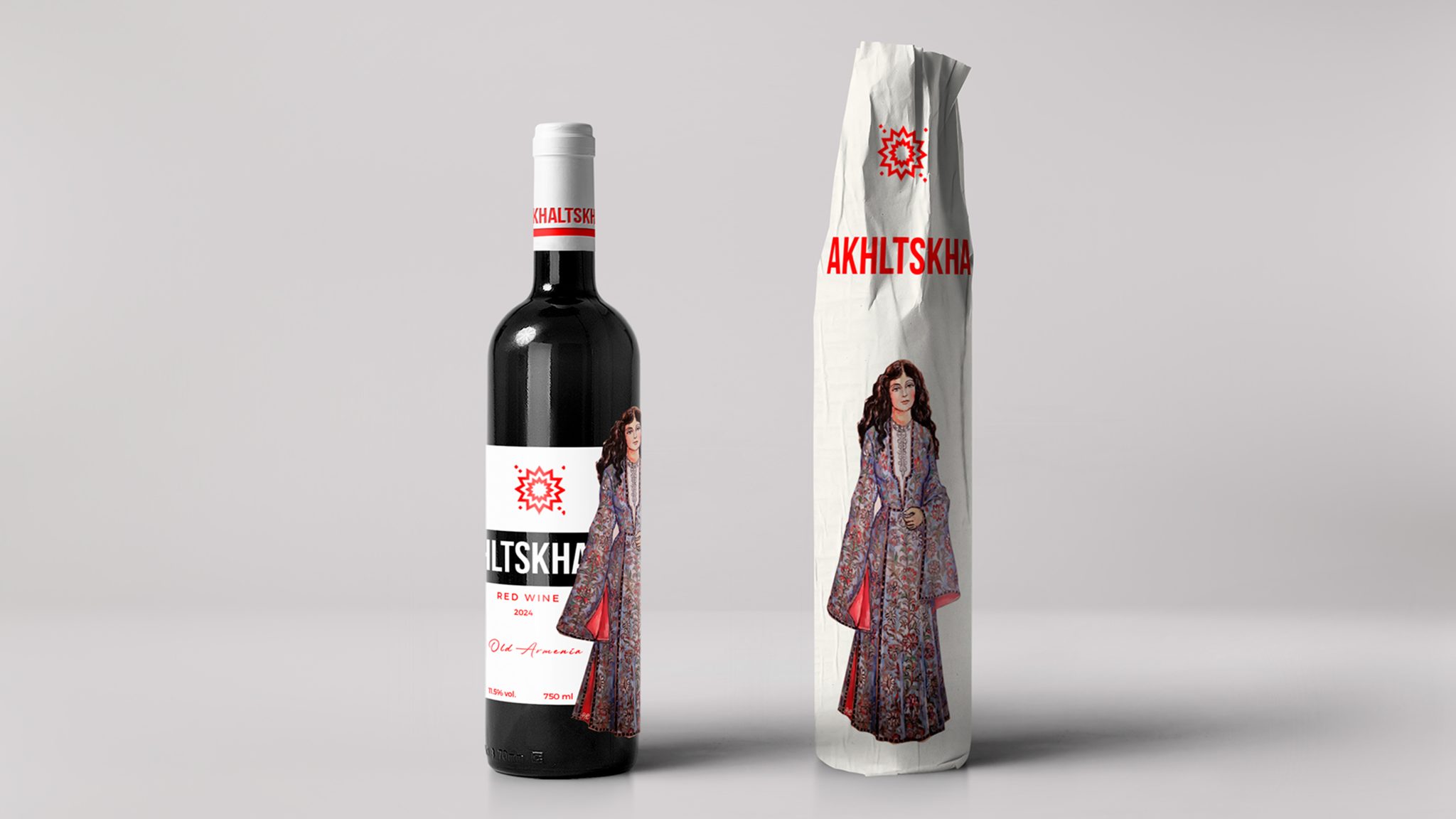
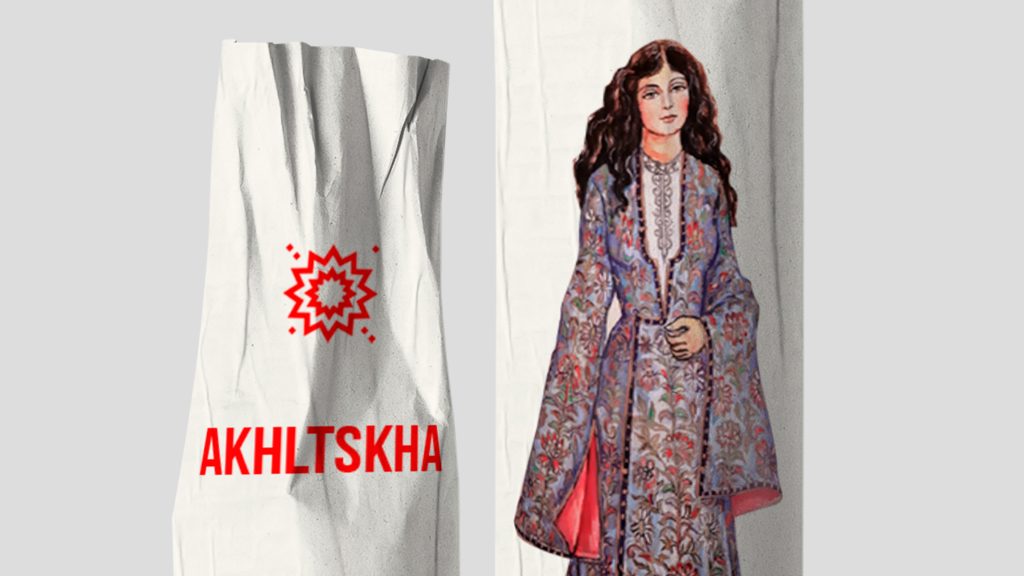
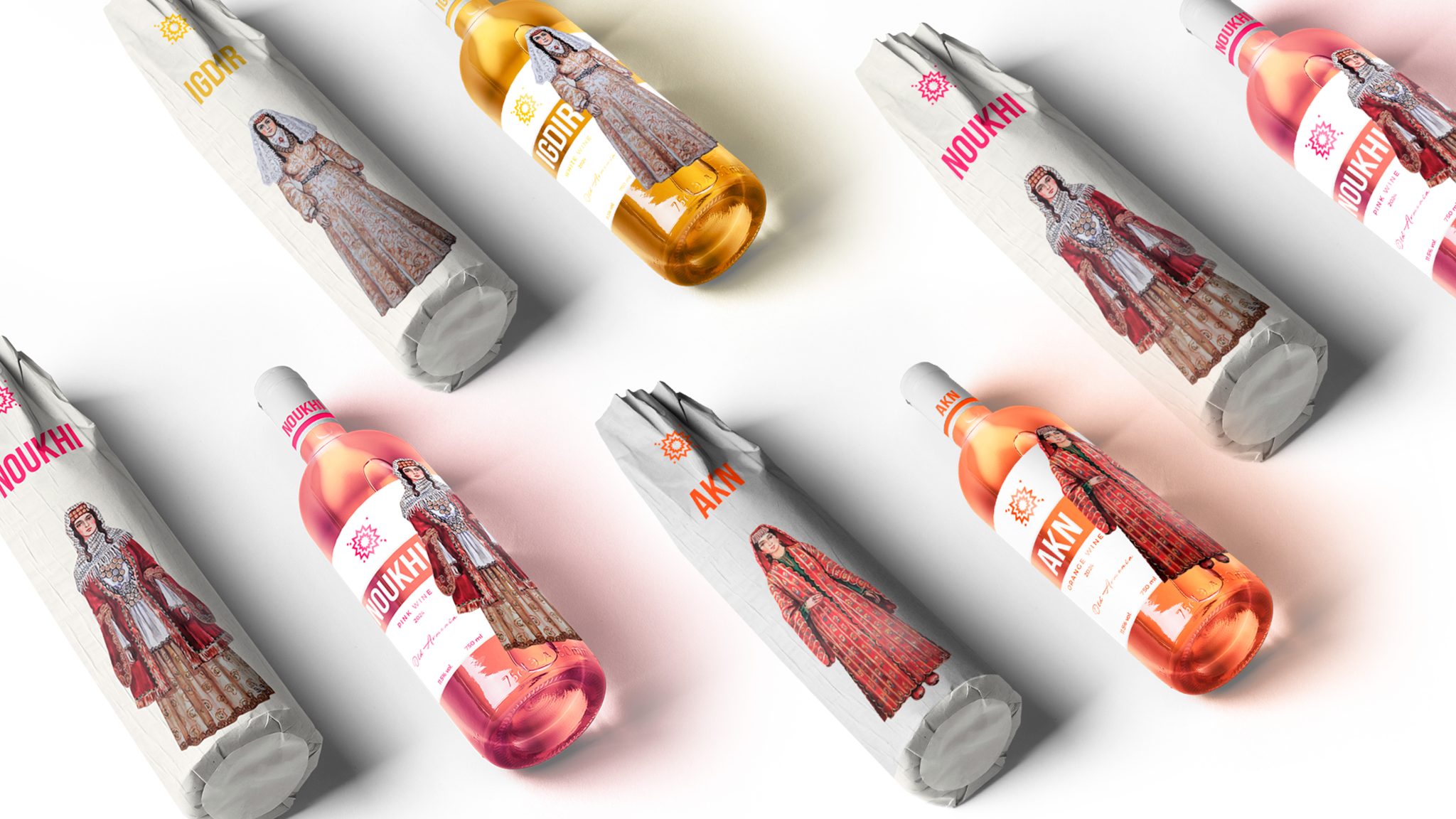
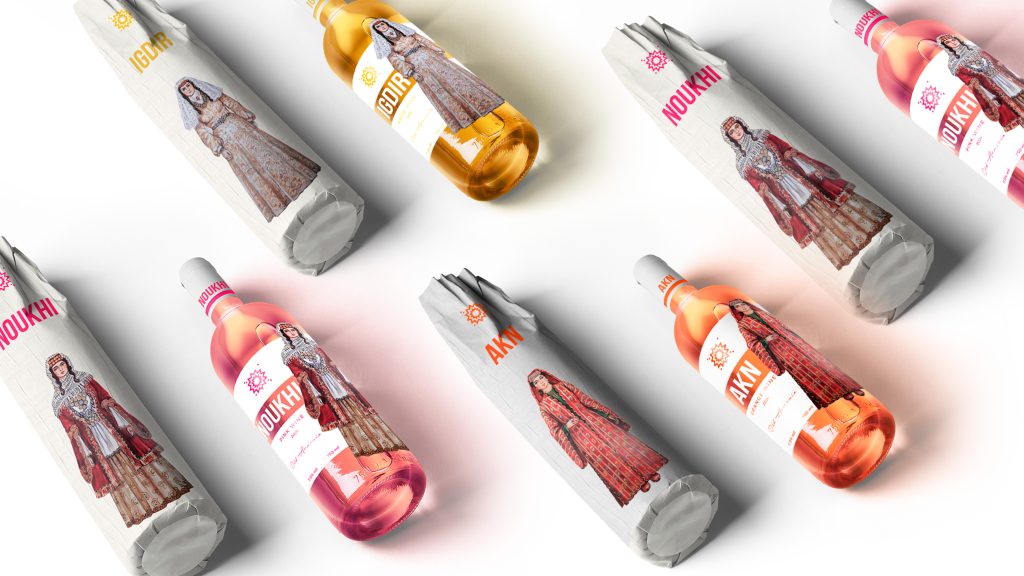
The design of the bottles is inspired by ancient Armenian costumes and the names of ancient Armenian provinces.

Armenian wine and costume together emphasize all the beauty of history.

The illustrations of the Armenian national costume were made by the Armenian artist-designer Flora Grigoryan.

Armenian wine story – Since pagan times, there was a tradition in Armenia: the tradition of cooking marron from a thousand plants. In the 1st century, a man named Pargev, a vassal of the Armenian king Trdat, learned to distill alcohol from liquid. In 66, Trdatus went to Roman Emperor Nero with a royal procession and offerings, including a meron. Roman historians say that when Nero tasted meron, he became happy. In the territory of Armenia, scientists discovered Armenian wine-making threshing machines, wine vessels and jars, charred grape seeds, many cuneiform inscriptions, sculptures and other documents preserved from early times. All of these testify to the fact that winemaking in Armenia has a history of about 6000 years.

Armenian costume – is dominated by the colors of the Earth and the four elements: earth, water, air and fire, which, according to the 14th century Armenian philosopher Grigor Tatevatsi, express the blackness of the earth, the whiteness of the water, the blueness of the air and the redness of the fire. Apricot symbolizes prudence and common sense, red – bravery and martyrdom, blue – heavenly justice, white – purity. Some of the ways of performing costumes have survived to our day and there are techniques that are very active in applied art, which we do not have. Each province of Armenia is distinguished by its costume.
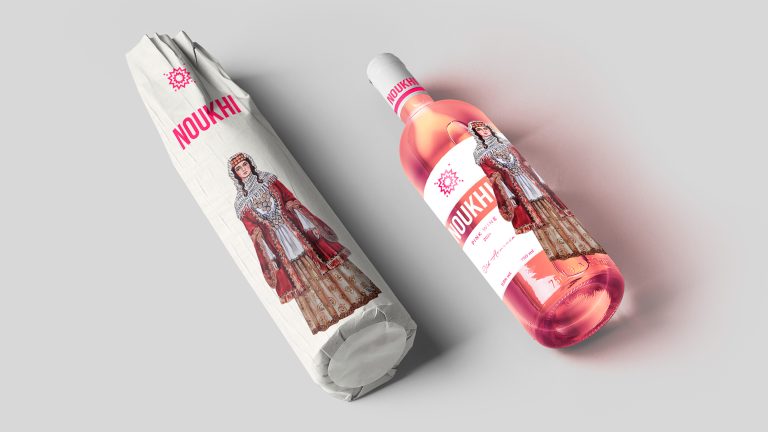
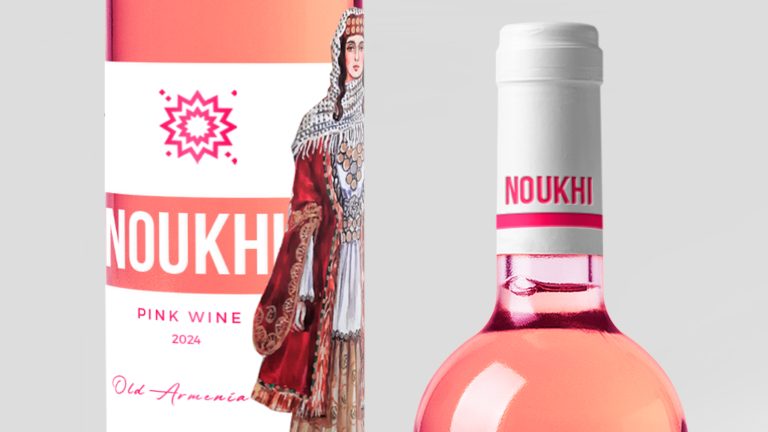
 

Armenian Wine, wine packaging design by Rima Atoyan, Armenia. Image 1 of 9.Armenian Wine, wine packaging design by Rima Atoyan, Armenia. Image 2 of 9.Armenian Wine, wine packaging design by Rima Atoyan, Armenia. Image 3 of 9.Armenian Wine, wine packaging design by Rima Atoyan, Armenia. Image 4 of 9.Armenian Wine, wine packaging design by Rima Atoyan, Armenia. Image 5 of 9.Armenian Wine, wine packaging design by Rima Atoyan, Armenia. Image 6 of 9.Armenian Wine, wine packaging design by Rima Atoyan, Armenia. Image 7 of 9.Armenian Wine, wine packaging design by Rima Atoyan, Armenia. Image 8 of 9.Armenian Wine, wine packaging design by Rima Atoyan, Armenia. Image 9 of 9.

Comments

1 comment

Comments are closed.