
Introduce
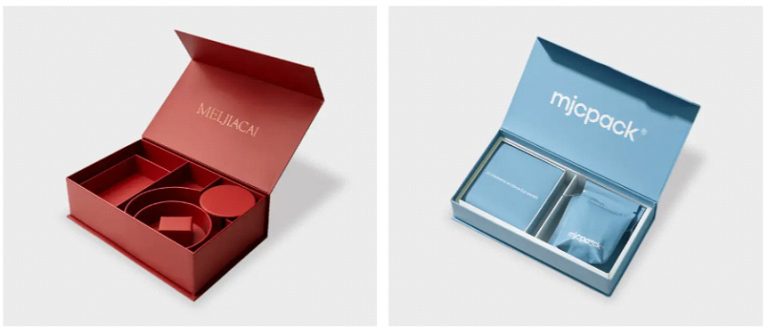
In the competitive world of magnetic gift boxes, the “click” of a magnetic closure is more than just a sound; it is a signal of quality. As brands strive to create the perfect unboxing experience, the choice often narrows down to two primary structures: the traditional Rigid Magnetic Boxes and the innovative Collapsible (Foldable) Magnetic Box.
According to packaging experts at MJC Packaging, choosing the wrong structure can lead to unnecessary shipping costs or a diminished brand perception. This guide analyzes the architectural differences, cost implications, and brand impact of both styles to help you determine the optimal fit for your product line.
What Defines a Premium Magnetic Box in 2026?
Before diving into the structural debate, it is essential to understand the core engineering. A magnetic closure box—often referred to as a “book-style” or “flap” box—utilizes high-density chipboard wrapped in premium paper, with small, high-strength magnets embedded within the front panel.
According to data from the Sustainable Packaging Coalition, the demand for rigid-structure gift boxes has grown by 12% annually as luxury brands pivot away from single-use plastics toward paper-based durability. At MJCPACK, we see this trend reflected in the diverse needs of over 9,300 brands we serve, where the “click” of a magnetic seal serves as an audible cue of quality.
How Do Rigid Magnetic Boxes Enhance Brand Authority?
The Rigid Magnetic Box is the traditionalist’s choice. These boxes are shipped fully assembled and maintain their shape from the factory floor to the customer’s doorstep.
The Impact on User Experience (UX)
There is an undeniable psychological weight to a pre-assembled rigid box. When a customer receives a product in a box that feels like a piece of furniture, the perceived value of the contents increases.
- Structural Integrity: Because they are glued and set at the point of manufacture, these boxes offer the highest level of protection for fragile luxury goods.
- Zero Assembly: For high-volume fulfillment centers, the “ready-to-fill” nature of rigid boxes saves significant labor time.
Why Choose Rigid Over Collapsible?
If your product falls into the ultra-luxury category—such as high-end jewelry, electronics, or limited-edition spirits—the rigid format is non-negotiable. It communicates a “permanent” feel, encouraging customers to reuse the packaging as storage, thereby extending your brand’s presence in their home.
Why Is the Collapsible Magnetic Box Dominating E-commerce Logistics?
The Collapsible Magnetic Box (also known as a foldable rigid box) was engineered to solve the “shipping air” problem. These boxes feature precision-creased corners and adhesive strips, allowing them to arrive flat and be “popped” into shape in seconds.
The Economics of Flat-Packing
Shipping costs are increasingly determined by dimensional weight rather than actual weight. A standard rigid box takes up a significant amount of “empty” space in a shipping container.
- Storage Efficiency: Collapsible boxes can reduce storage footprints by up to 75%. This is vital for startups or brands operating out of urban warehouses where square footage is at a premium.
- Carbon Footprint: Flat-packed boxes allow for more units per pallet, significantly lowering the CO2 emissions associated with inland and ocean freight.
Is the Assembly Process Seamless?
Modern engineering at MJCPACK ensures that collapsible designs do not feel flimsy. High-strength 3M adhesive or interlocking “ear” flaps ensure that once the box is assembled, it mimics the sturdiness of a traditional rigid box. However, it is worth noting that a faint “crease” may be visible at the fold points, which is a trade-off for the logistical savings.
When Should You Make the Switch?
Choosing between these two styles isn’t just about aesthetics; it’s about your operational scale.
Which Style Suits a Subscription Brand?
For subscription services where margins are tight and shipping frequency is high, Mailer Boxes are often the primary choice. However, for “VIP” tiers, the Collapsible Magnetic Box offers the perfect middle ground. It provides the “wow” factor of a rigid box without the prohibitive shipping costs that would eat into the subscription’s profitability.
Where Does Product Weight Play a Role?
If your product is exceptionally heavy (e.g., a 1kg glass candle or a stone-carved ornament), a Rigid Magnetic Box is safer. The fixed corners provide better vertical crush resistance during transit. Conversely, for apparel, lightweight beauty kits, or documents, the collapsible style is more than sufficient.
Conclusion:
Rigid and collapsible magnetic boxes are not competing solutions—they serve different strategic purposes.
- Rigid boxes emphasize luxury, durability, and presentation
- Collapsible boxes prioritize efficiency, scalability, and cost control
The most effective packaging decisions are those that align with your brand positioning and supply chain realities. By evaluating both the customer experience and operational impact, businesses can select a packaging solution that supports sustainable growth in 2026 and beyond.
 sashapanchenko
 buddybuddyco
 B&WGraphicLab
 YNOT TONY Design Studio
 Agustina Bo
 Widakk Design
 Amjad Battal
 Denis Irisov
 Rohan Barwal | D2C Brand Identity, Logo & Packaging Designer
 SOT B&D
 Le Studio G
 Studio Craig Black
 Agence des Coteaux
 Ahmed Badr
 provsnfactory
 Minim Brand Design
 Rodrigo Sanjurjo
 Aspa Chroneou
 HAJOK Design
 a3packaging
 Katerina
 Rabia zouina