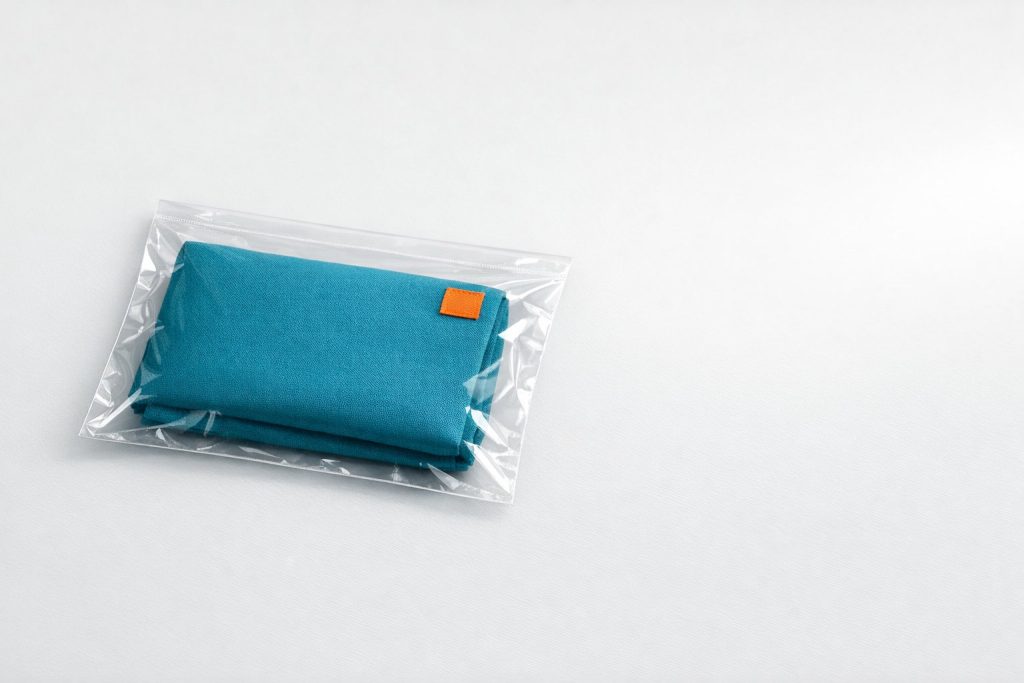

Brands across retail, food, and ecommerce are continually tasked with finding packaging solutions that provide both robust product protection and appealing presentation. Flat poly bags stand out by allowing products to be showcased visually while maintaining the durability and functionality businesses require. Their use directly impacts how customers experience and perceive products on shelves and on delivery, especially when protective packaging must also support brand cues.
Packaging is often the first tactile encounter customers have with a brand, shaping expectations and satisfaction from the start. By choosing flat poly bags, companies gain the flexibility to protect items from dust, moisture, and handling damage while also using clear materials that highlight the product itself. This dual function is especially significant in competitive markets where quality and presentation play major roles in purchasing decisions, and where ecommerce packaging must perform consistently from pick to doorstep.
The balance between visibility and protection
Flat poly bags provide a unique synergy between visual access and reliable packaging. In retail, clear surfaces let customers accurately assess products, such as belts, seasonal accessories or baked goods, making it easier for them to confirm quality before purchase. For food items, clear poly bags can showcase freshness while ensuring contents remain uncontaminated and safe throughout transit and stocking.
Protection remains critical, however. The design and seal of flat poly bags can be adapted to safeguard items susceptible to breaking or spoiling without sacrificing transparency. Many teams treat these packs as protective packaging that supports handling across storage, display and last-mile delivery.
Design adaptability and operational efficiency
Successful packaging design requires materials that can carry branding and essential information without crowding the product itself. Flat poly bags achieve this by offering smooth surfaces for clean labeling or graphics, supporting both functional and aesthetic goals. For in-store programs, retail packaging bags help keep assortments organized while leaving the item as the focal point.
Efficiency gains are evident in settings where speed and accuracy matter, such as busy e-commerce warehouses or food service environments. Clear poly bags simplify tasks like order picking, inventory checks, and product bundling, all while keeping goods protected and easily recognized. Many brands source packaging through Packaging Friends to leverage these operational benefits while finding customizable options tailored to specific item and brand requirements.
Industry examples and evolving packaging expectations
Real-world uses of flat poly bags underscore their value in balancing protection and design. Apparel brands benefit from clear bags that reveal colors and sizes for quick SKU checks; bakery businesses use moisture-resistant bags to keep pastries fresh and visually appetizing; ecommerce companies rely on these packs as ecommerce packaging for bundled shipments, reducing error rates and boosting customer trust with every order.
Consumer expectations continue to evolve, with emphasis on visual transparency, sustainability, and secure delivery. Brands adapt by choosing recyclable materials when possible, testing different thicknesses for optimal barrier properties, and clearly communicating care or disposal instructions. In many storefronts, retail packaging bags also help maintain neat displays while supporting compliance labeling.
Integrating design, durability, and customer confidence
The intersection of protection and presentation is where flat poly bags excel for modern brands. Careful selection of bag features, such as reinforced seals or anti-fog finishes, enables businesses to address practical concerns without diminishing the unboxing or in-store product experience. For scalable fulfillment, ecommerce packaging strategies often standardize these specifications to improve consistency across product lines.
As packaging continues to influence perception and buyer satisfaction, brands that thoughtfully deploy protective packaging position themselves to deliver products that are both secure and visually compelling. This approach builds lasting relationships with customers who value not only what’s inside, but also the care taken in how it arrives.
 Guest Writer
 Agustina Bo
 paulaodisea
 IrinaNikatina2323
 SERIESNEMO
 Cupla Studio
 ZERO11
 VaryaDrebent
 hello ocean
 Yash Panchal
 Nina Patseva
 Modern Theory
 Dizen
 Ebbi
 monther al omari
 YNOT TONY Design Studio
 BOYA Printing
 NEV
 Andydesigns
 Armoder Arte y Diseño
 rufydesign
 Sti&Co Design
 Vijay Raj N | Brand Designer
 theabsurdcompany
 Hollóka Grafikai Műhely / Graphic Design Studio