How Packaging Designers Use AI Video Extenders for Showcases
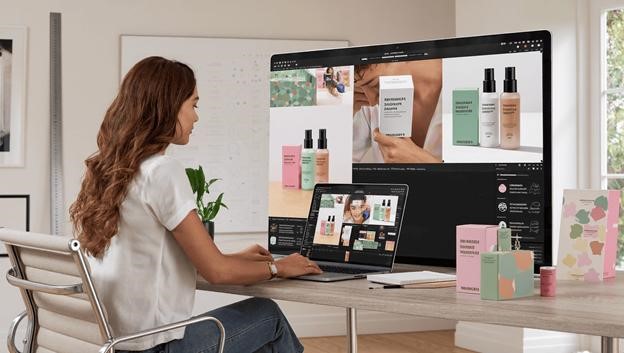
Video case studies have become one of the defining portfolio trends of 2026, with designers increasingly supplementing static imagery with short video walkthroughs showing materials, interactions, and physical details in motion that a photograph alone simply cannot fully capture. An AI Video Extender available within Higgsfield being one worth knowing about, is becoming part of how packaging designers turn brief product photography or footage into complete showcase presentations for portfolios and client pitches.
Why Has Video Become Such an Important Part of Packaging Portfolios Specifically?
Packaging design is inherently physical and dimensional in a way static photos struggle to fully capture, how a texture actually feels, how a structural fold or opening mechanism works, how light plays across a finished material under real conditions. Video case studies address exactly this gap, and 2026 portfolio trend analysis specifically identifies this as a growing, deliberate shift among designers across visually complex disciplines, not a passing novelty.
This shift reflects something genuine about how packaging design actually gets evaluated in practice. A client or design judge reviewing a submission wants to understand not just what a design looks like from one fixed angle, but how it actually behaves as a physical object, whether an unusual fold pattern genuinely works, whether a texture reads as premium in hand, whether a closure mechanism feels satisfying to use in real, everyday handling. These are exactly the qualities a static photo, however well-lit, tends to leave the viewer guessing about.
What Does Genuinely Effective Video Presentation Actually Require?
This is worth being specific about, since not every video accomplishes the same goal. A genuinely effective showcase captures the actual physical object, its material, its finish, its structural details, clearly enough that a viewer understands what makes the design genuinely distinctive. Current presentation design guidance for 2026 also emphasizes that even brief video openers help set tone and establish energy before a viewer engages with the rest of a portfolio piece or pitch deck, something a plain static image alone rarely accomplishes on its own.
This means length matters less than most designers initially assume. A genuinely effective showcase video doesn’t need to be long, it needs to be complete enough to actually demonstrate the specific qualities that make a design worth noticing, then get out of the way. A ten-second clip that clearly shows a distinctive fold mechanism or a genuinely premium material finish accomplishes more than a longer video padded with footage that doesn’t actually add new information about the design to someone genuinely evaluating the work.
What Happens When a Genuinely Strong Design Only Gets Presented as Static Photos?
This is a real, common limitation for designers without in-house video production resources. A packaging project might involve genuinely impressive tactile or structural details, a soft-touch coating, a satisfying unboxing mechanism, a clever material choice, that simply don’t translate through a still photo the way they would through even a brief video. That gap between the actual quality of the work and how compellingly it gets presented can genuinely affect whether a project lands a client or wins recognition in a genuinely competitive design field.
This gap compounds specifically because packaging design competes for attention against work that often does get properly video-documented. A project genuinely comparable in quality to a competitor’s submission can end up looking less impressive purely because the competitor invested in video presentation while the equally strong project relied only on static photography, an outcome that has nothing to do with the actual design merit of either piece of work but everything to do with how each project happened to be presented to the person evaluating it.
What Are the Traditional Options for Creating Video Presentations of Packaging Work?
Commissioning a professional product videographer is one option, and larger studios or well-funded projects often do this for flagship work, producing genuinely polished results. Filming brief product footage yourself with a phone or basic camera is the more common alternative for everyday project documentation, quick and low-cost but often producing only short, fragmented clips rather than a complete, well-paced presentation.
This gap between what gets fully documented and what doesn’t tends to follow a predictable pattern across a real studio’s project history. The single flagship project each year, an award submission, a major client launch, might genuinely get proper video treatment, while the dozens of smaller but still genuinely well-executed projects completed in between end up represented only by whatever quick phone footage was captured during production, if any footage exists at all.
Where Do These Traditional Options Fall Short for Most Working Designers?
The constraint is cost and consistency across a real project workload. A professional videographer makes sense for a single flagship project but isn’t realistic to commission for every packaging job a studio completes in a year, while self-filmed footage tends to accumulate as short, disconnected clips that never quite become the complete, polished presentation a portfolio or client pitch genuinely benefits from.
This inconsistency becomes a real, cumulative disadvantage over a studio’s career. A portfolio with one or two beautifully video-documented flagship projects surrounded by dozens of photo-only entries sends an unintentional signal that those flagship pieces represent the studio’s actual best work, even when several of the photo-only projects were, by any honest measure, equally strong pieces of design that simply never received the same presentation treatment or budget consideration during the original project timeline.
| Professional product videographer | Self-filmed short clips | AI Video Extender | |
| Cost | A real, often substantial fee | Low | Included in one subscription |
| Consistency across many projects | Limited by budget for each one | Low, fragmented clips | High, applied to any project’s footage |
| Turnaround | Days to weeks | Immediate, but incomplete | Minutes |
| Best suited for | A single flagship project | Quick documentation | Turning existing short footage into a complete presentation |
How Does This Kind of Tool Actually Fit Into a Designer’s Workflow?
Higgsfield’s AI Video Extender takes brief, existing footage of a real packaging project, a short clip showing the material or structure, and extends it into a longer, more complete presentation without requiring a full reshoot or professional production. For a designer or studio with a real backlog of completed projects that never got proper video documentation, that capability makes it realistic to produce genuine showcase content across far more of a portfolio than a traditional production budget would ever allow.
This directly addresses the inconsistency problem described earlier. Rather than accepting that only a handful of flagship projects will ever receive proper video presentation, a studio can realistically extend consistent, polished video treatment across its entire recent portfolio, giving every genuinely well-executed project a fair chance to actually be evaluated on its real merits rather than losing out simply because it lacked the presentation budget a competing project happened to receive at the time.
What Must Stay Genuinely Accurate No Matter How Polished the Final Presentation Looks?
This is the single most important point in this entire article. Every extended showcase video has to represent the actual, real packaging design, its genuine materials, finishes, and structural details, never adding visual elements or features that aren’t actually part of the finished physical product. Current portfolio best practice for 2026 specifically calls for transparency about AI tool use in project presentation, being clear that AI helped produce the presentation itself while making sure the underlying design decisions and creative direction are understood as genuinely the designer’s own work. An AI Video Extender should be used to more completely present real, existing footage, never to fabricate details about a design that don’t actually exist on the physical product itself.
What Can a Designer Actually Produce Beyond a Single Extended Showcase Video?
Beyond one video, the same approach can support building out video presentations across an entire portfolio of completed work, giving a studio’s body of work the same kind of consistent, polished presentation regardless of which projects originally received full professional video production. This matters for exactly the kind of work showcased in the AI category here on Packaging of the World, where designers are already exploring how AI tools fit into a genuinely professional packaging design practice, without losing sight of the real creative work behind each finished project, which remains the actual measure of a project’s genuine quality regardless of how it’s ultimately presented. Higgsfield AI is a native AI creative suite, which offers advanced AI image, video, and voice generation, editing, and upscaling tools. This means a designer could also produce supporting images or graphics for the same project presentation from one workspace.
Does This Replace the Actual Design Work Behind a Genuinely Strong Packaging Project?
No, and this matters as much here as anywhere. What actually makes a packaging project worth showcasing is the real design work, the material choices, the structural engineering, the brand strategy, that went into creating it in the first place. An AI Video Extender, whether Higgsfield or a comparable platform, speeds up presenting that real work more completely and compellingly. It does not design the packaging, make creative decisions, or replace the genuine expertise that produced something worth showcasing to begin with.
What Should a Designer Look for in an AI Video Extender for This Purpose?
A few things matter more here than for general video content. The ability to work convincingly from genuinely short source footage matters most, since most designers’ existing project documentation is exactly that, brief and incomplete. Maintaining visual consistency with the original footage’s actual lighting and material appearance matters given how much accuracy matters when representing real, physical design work. And straightforward use matters given that most packaging designers’ real expertise is design, not video production or editing software.
Given how visually detailed packaging work tends to be, it’s also worth checking how a specific tool handles fine material detail, an embossed logo, a subtle texture, a specific color finish, since these details are often exactly what makes a design genuinely distinctive to the trained eye of another designer or a discerning client reviewing the presentation.
What Are the Key Takeaways for Packaging Designers Considering This Approach?
- Video case studies are a genuine, growing portfolio trend for 2026, not a passing novelty, particularly for physically complex, tactile work like packaging design that static photos struggle to fully represent.
- Packaging’s physical, dimensional qualities are genuinely difficult to communicate through static photos alone, making video a meaningfully more effective format for showcasing real design details that a trained eye would otherwise miss.
- An AI Video Extender like Higgsfield helps designers turn brief, existing project footage into complete presentations across a far larger share of their portfolio than traditional video production budgets would ever realistically allow.
- Every showcase video must accurately represent the real, physical design. Transparency about AI tool use in the presentation itself, while being clear the actual design work is genuinely the designer’s own, reflects current, responsible portfolio practice for 2026 and beyond.
What Are Some Frequently Asked Questions About AI Video Extenders for Packaging Design Presentations?
Can an AI Video Extender add design details to my packaging that aren’t actually there?
It shouldn’t be used this way. The tool is meant to more completely present real, existing footage of an actual physical product, never to add visual details or features that don’t genuinely exist on the finished design, since doing so would misrepresent the actual work to anyone evaluating it.
Should I disclose that I used AI to help create my portfolio video?
Current portfolio best practice generally favors transparency about AI tool use in presentation, while making clear that the actual design decisions and creative direction behind the work remain genuinely your own, since audiences increasingly expect this kind of honest framing around any AI-assisted content in a professional portfolio.
Do I need video editing experience to use this kind of tool?
No. Providing existing short footage and describing the presentation you want is enough to produce a usable result without prior video editing experience or specialized software knowledge of any kind.
Is this only useful for designers without video production budgets, or does it help larger studios too?
It helps larger studios as well, since even well-resourced teams rarely have the budget to commission full professional video for every single project, making this a practical way to extend consistent video presentation across a much larger share of their actual output, whether that presentation is produced through Higgsfield or a comparable platform available to the studio.


Comments
0 commentsLog in to comment or submit projects