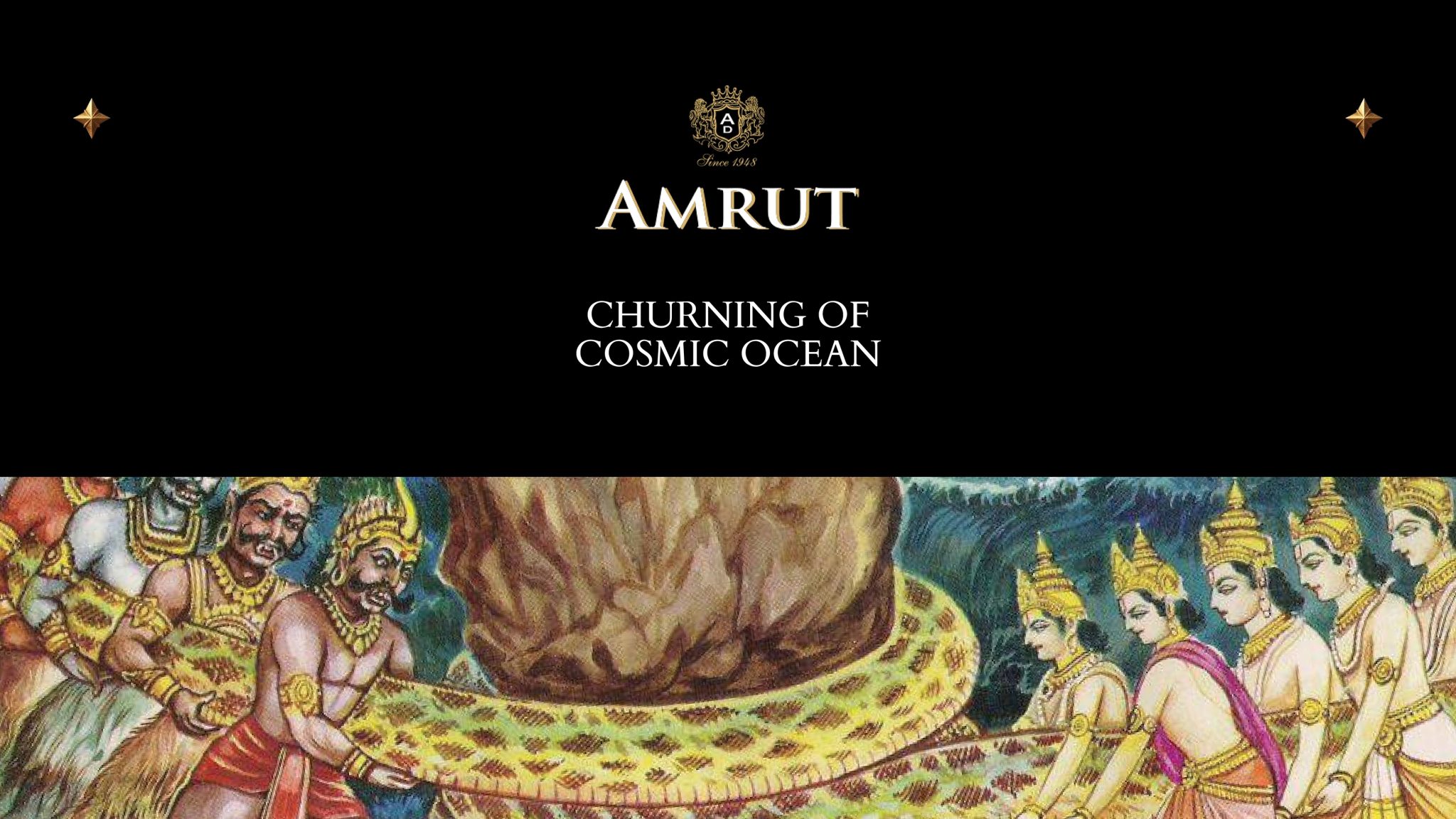

Churning of the Cosmic Ocean: Amrut Kashmakash No. 14
The Problem
Indian single malt never had a luxury problem. It had an identity problem.
Amrut has been producing single malt since 2004, India’s first. Its Fusion was rated third best whisky in the world by Jim Murray in 2010. The liquid had earned its place long before the bottle did. The category was still leaning on borrowed visual language: Scotch heritage typography, heraldic crests, cream labels, wax seals. None of it had anything to do with where this whisky comes from.
What would a collectible look like if it stopped borrowing and started belonging?
The Concept
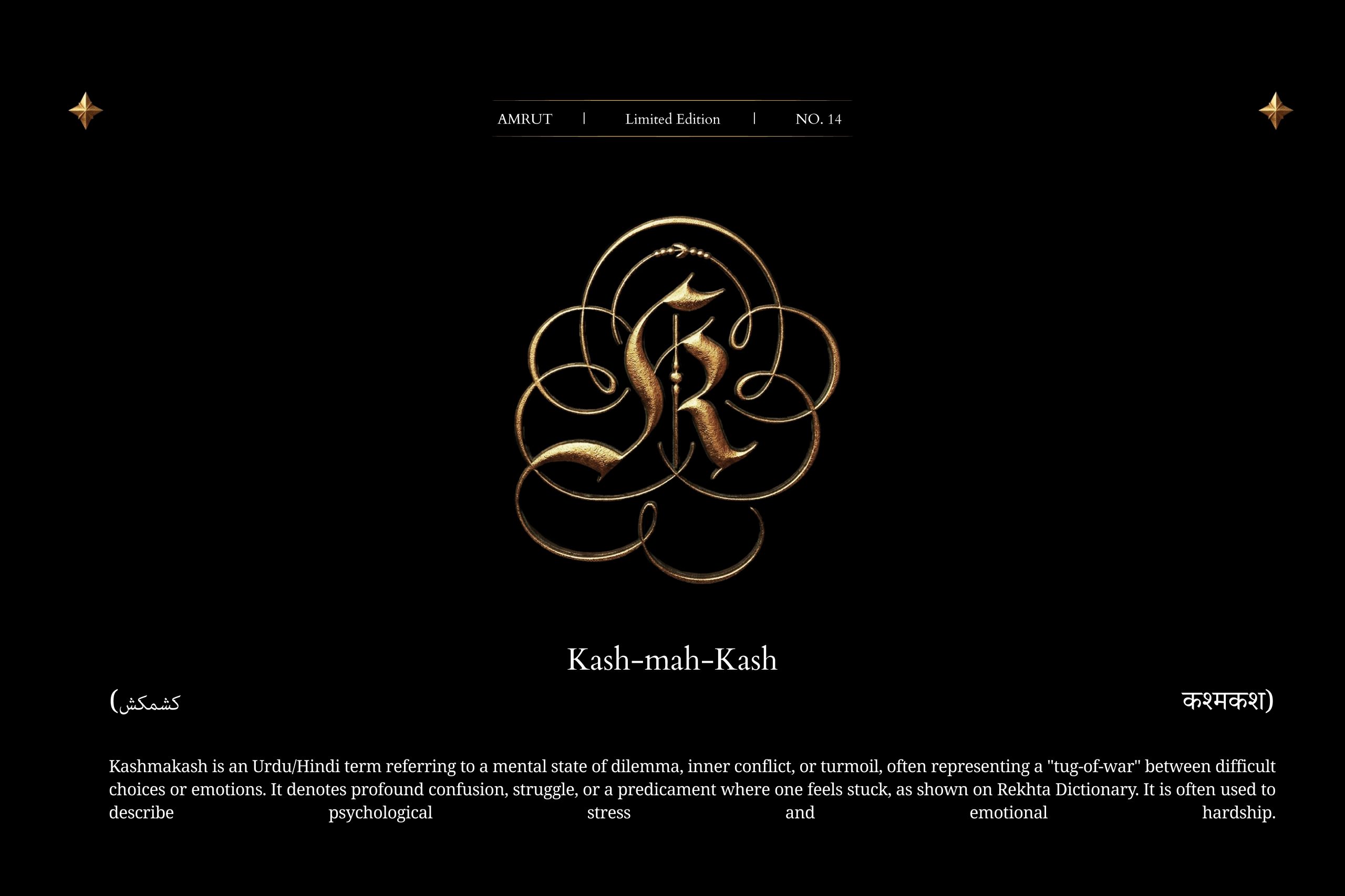
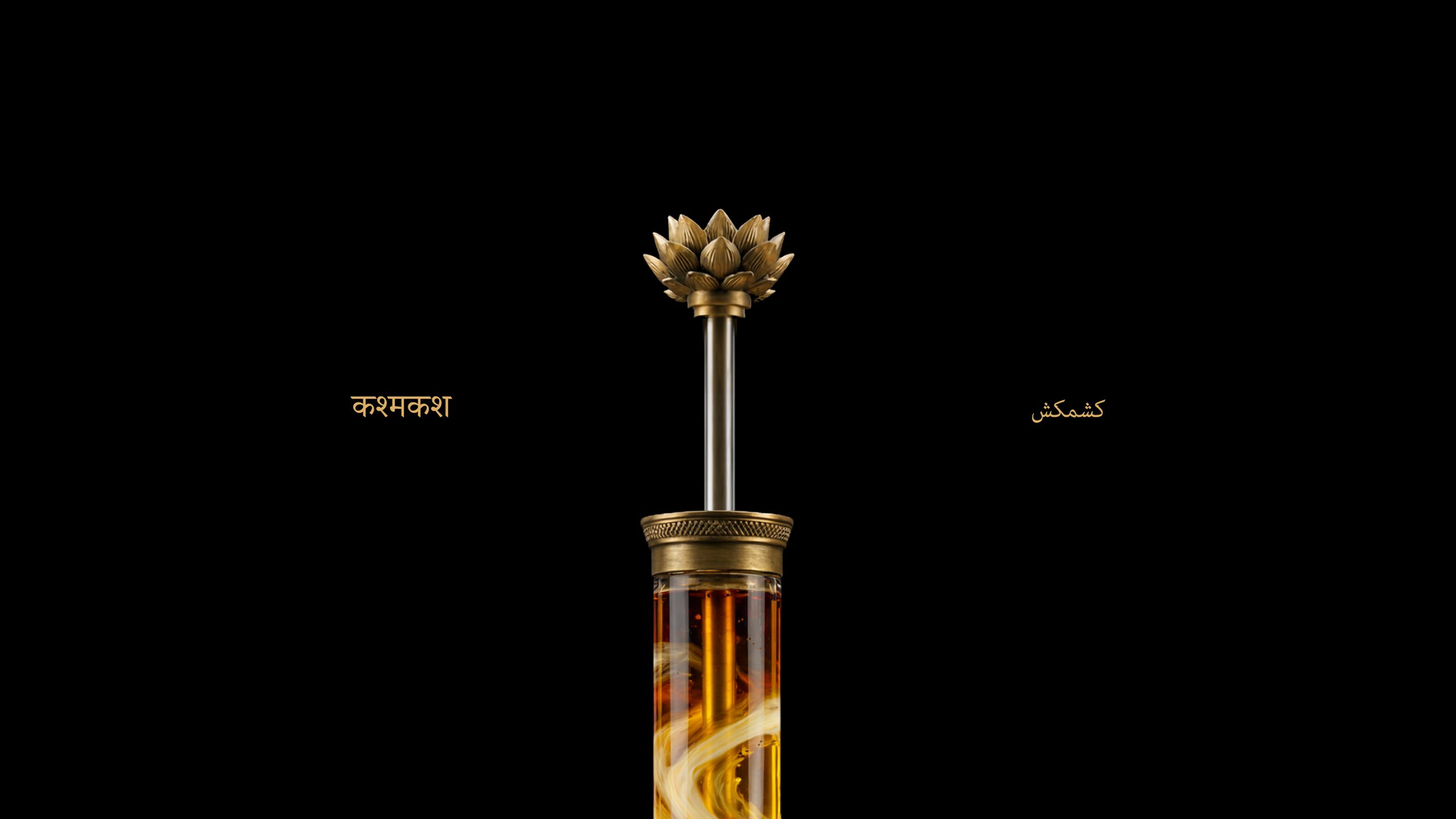
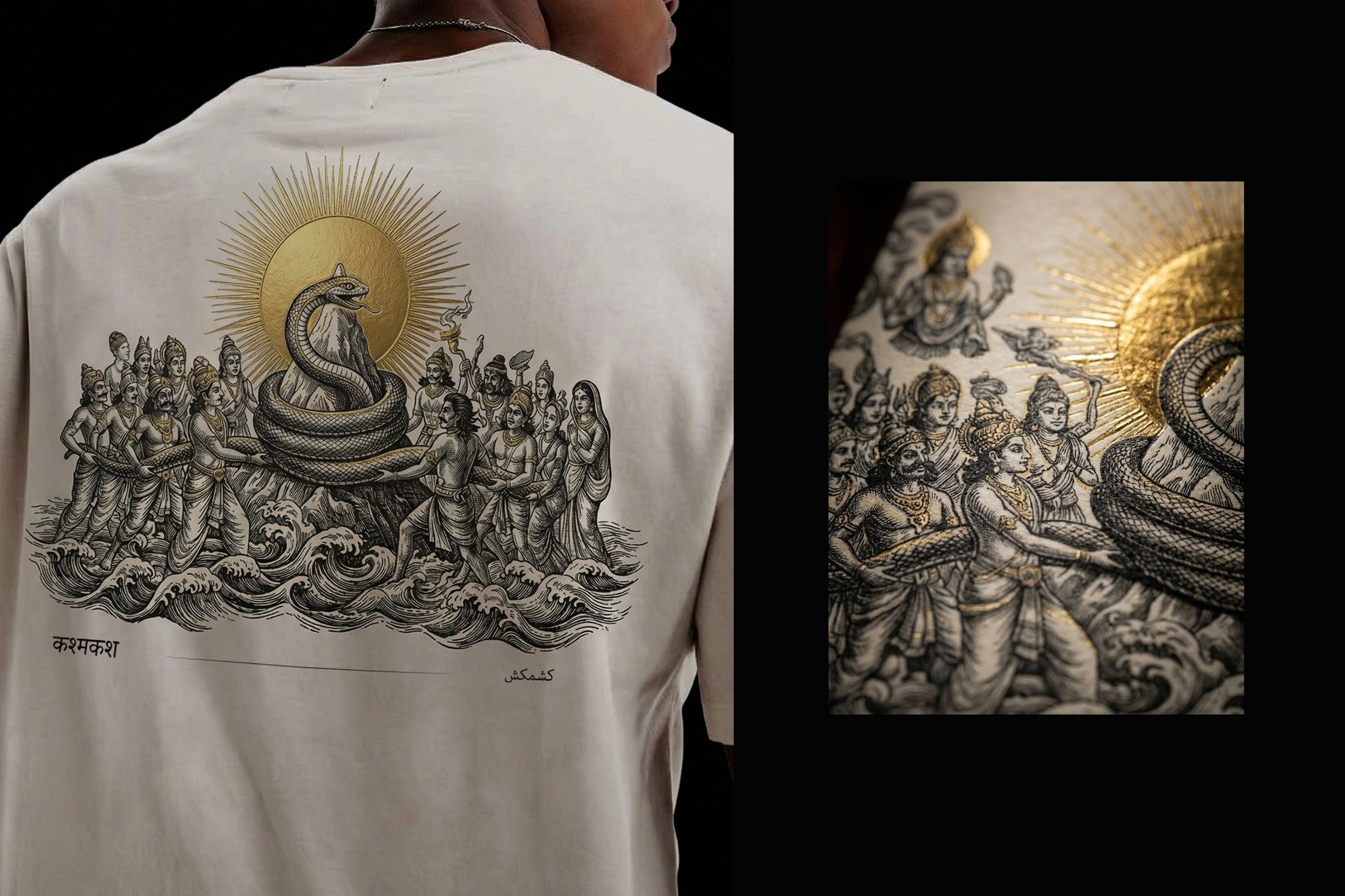
Kashmakash – कश्मकश – کشمکش. An inner conflict. The pull between two opposing forces, neither winning, everything born from the tension between them.
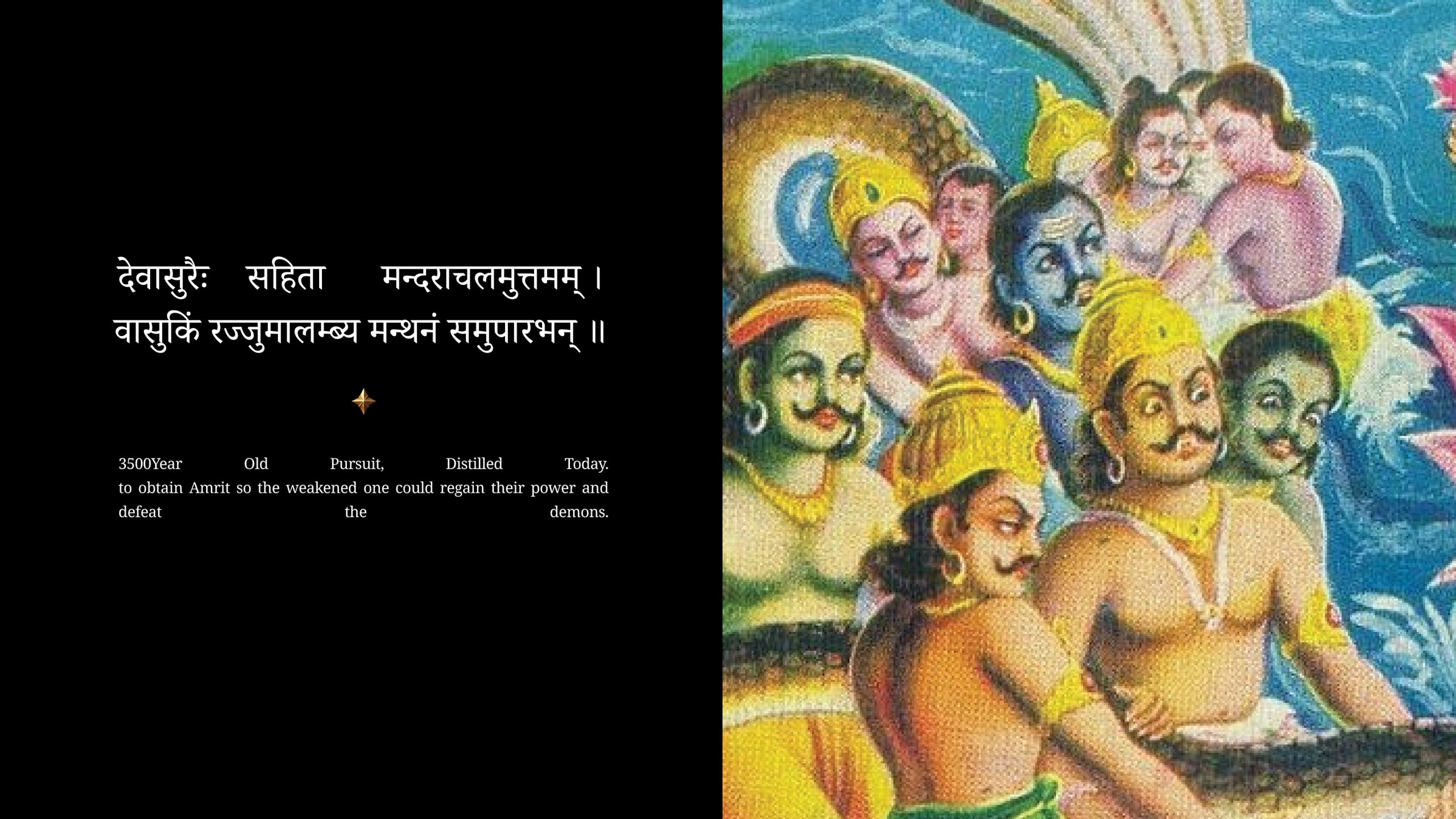
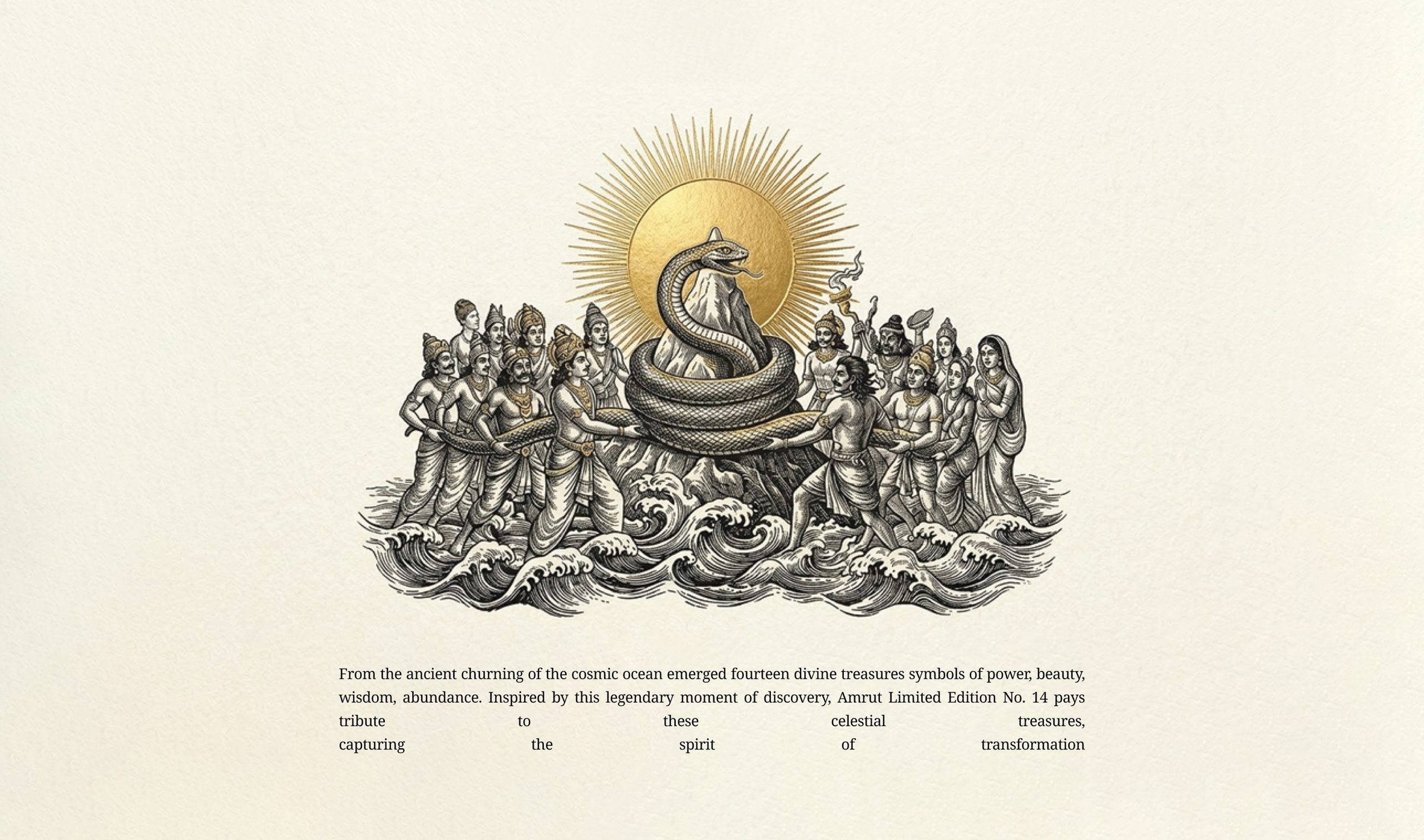
In Samudra Manthan, the ancient churning of the cosmic ocean, two opposing forces held the same rope and worked the ocean until fourteen things emerged. One of those fourteen was Amrut, the nectar. The spirit in this bottle carries that name. It was always what the churning was for.
The blend holds the same logic. Indian single malt and sugarcane arrack, one deep and amber, the other pale and ancient. What comes out is neither. It is both.
The Object
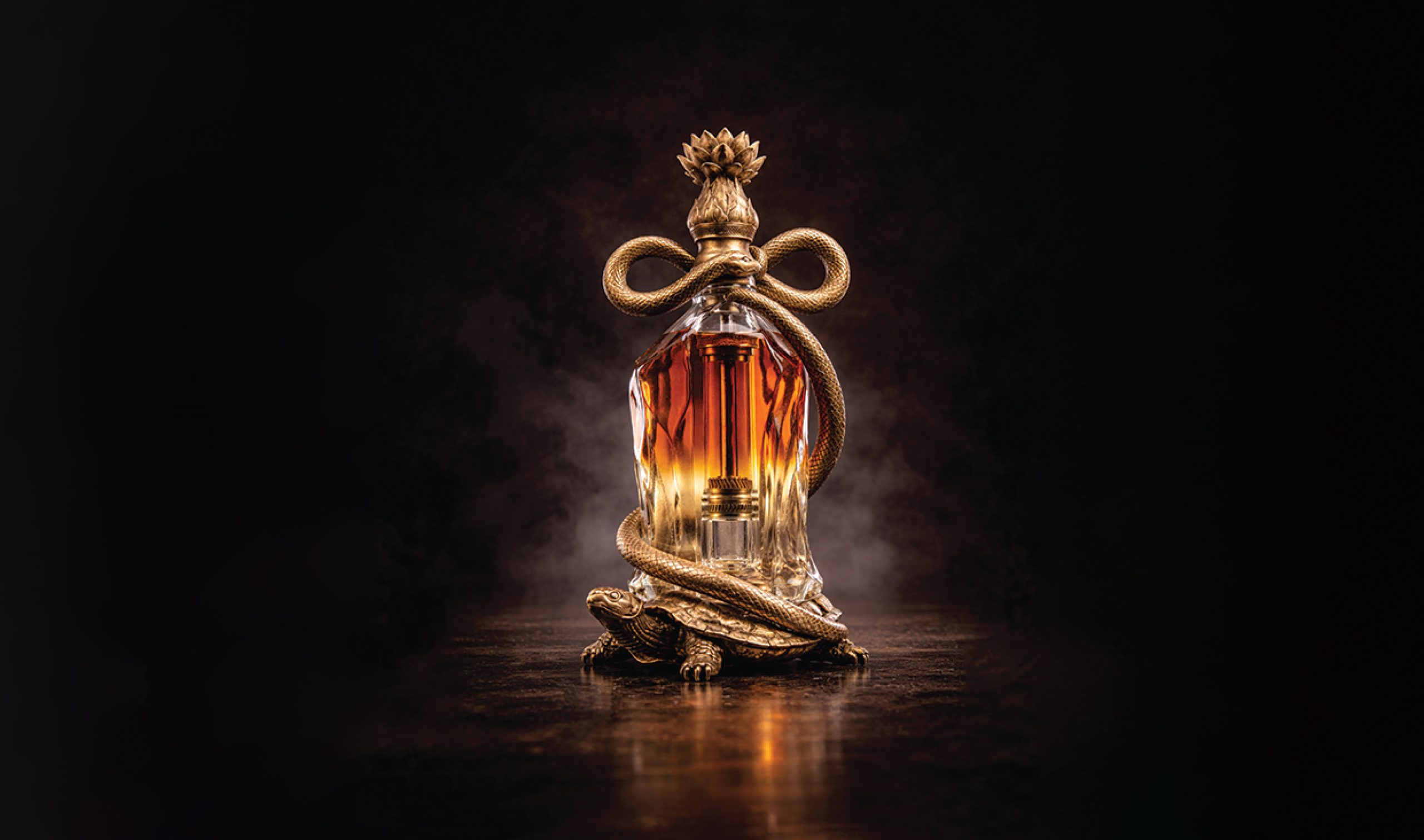
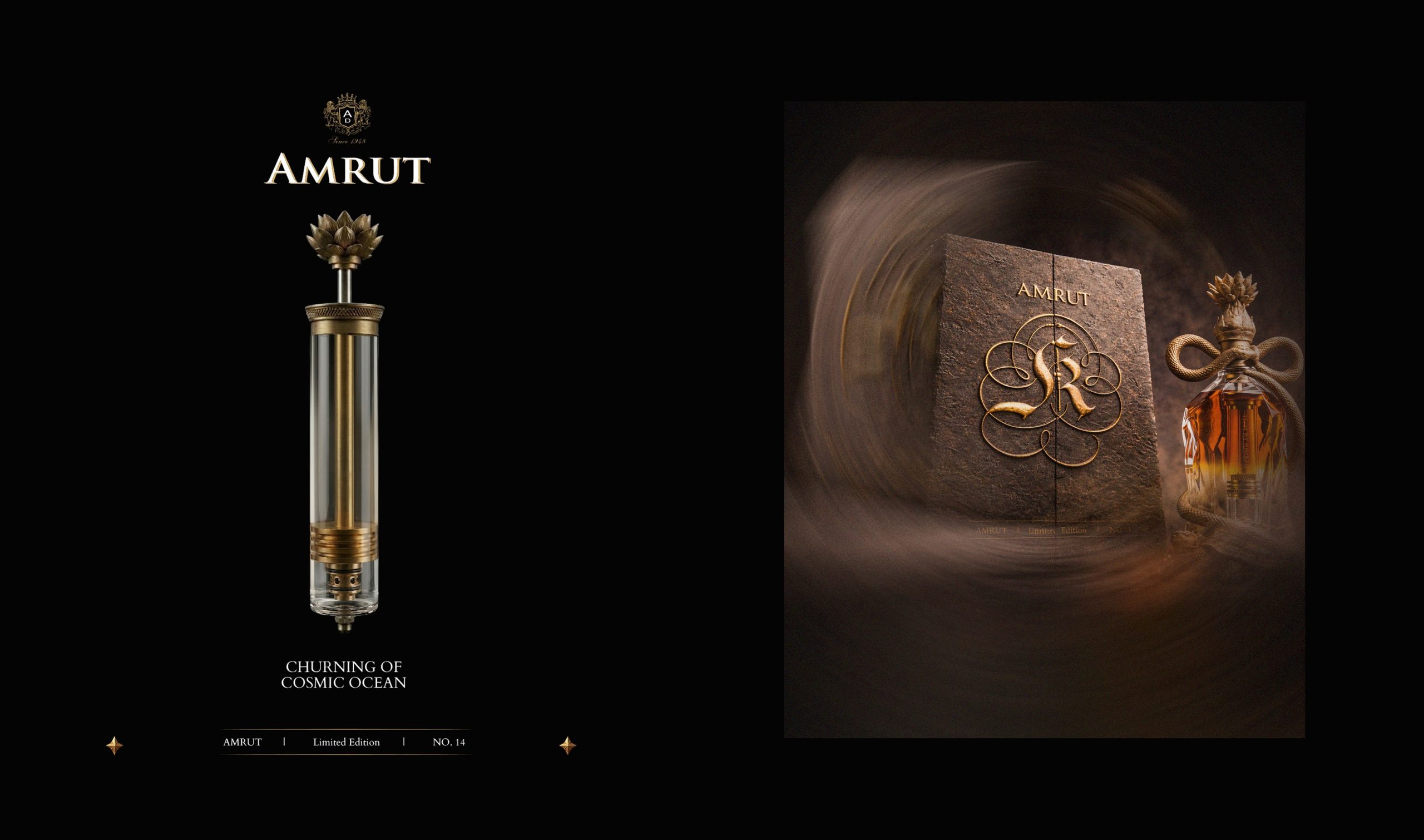
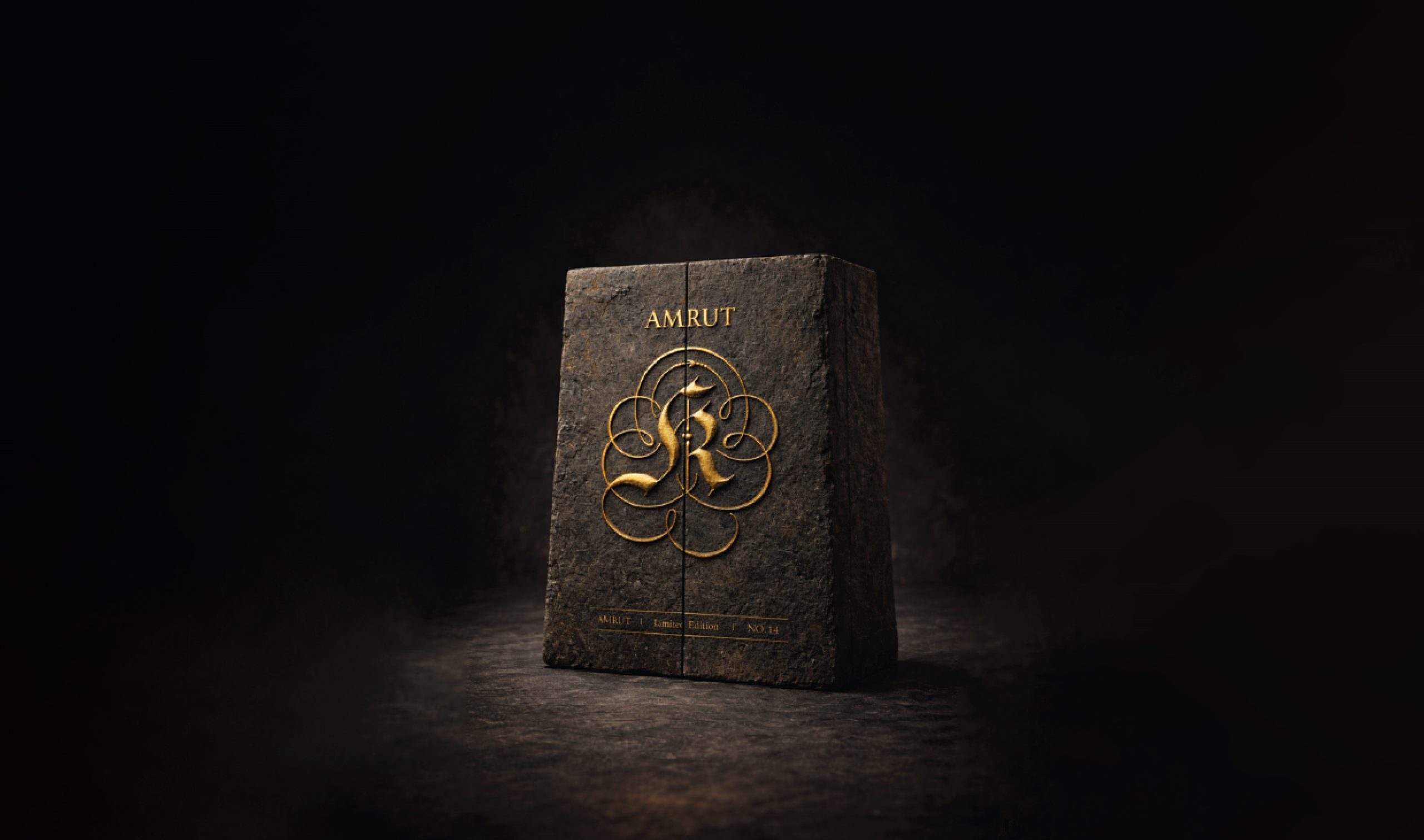
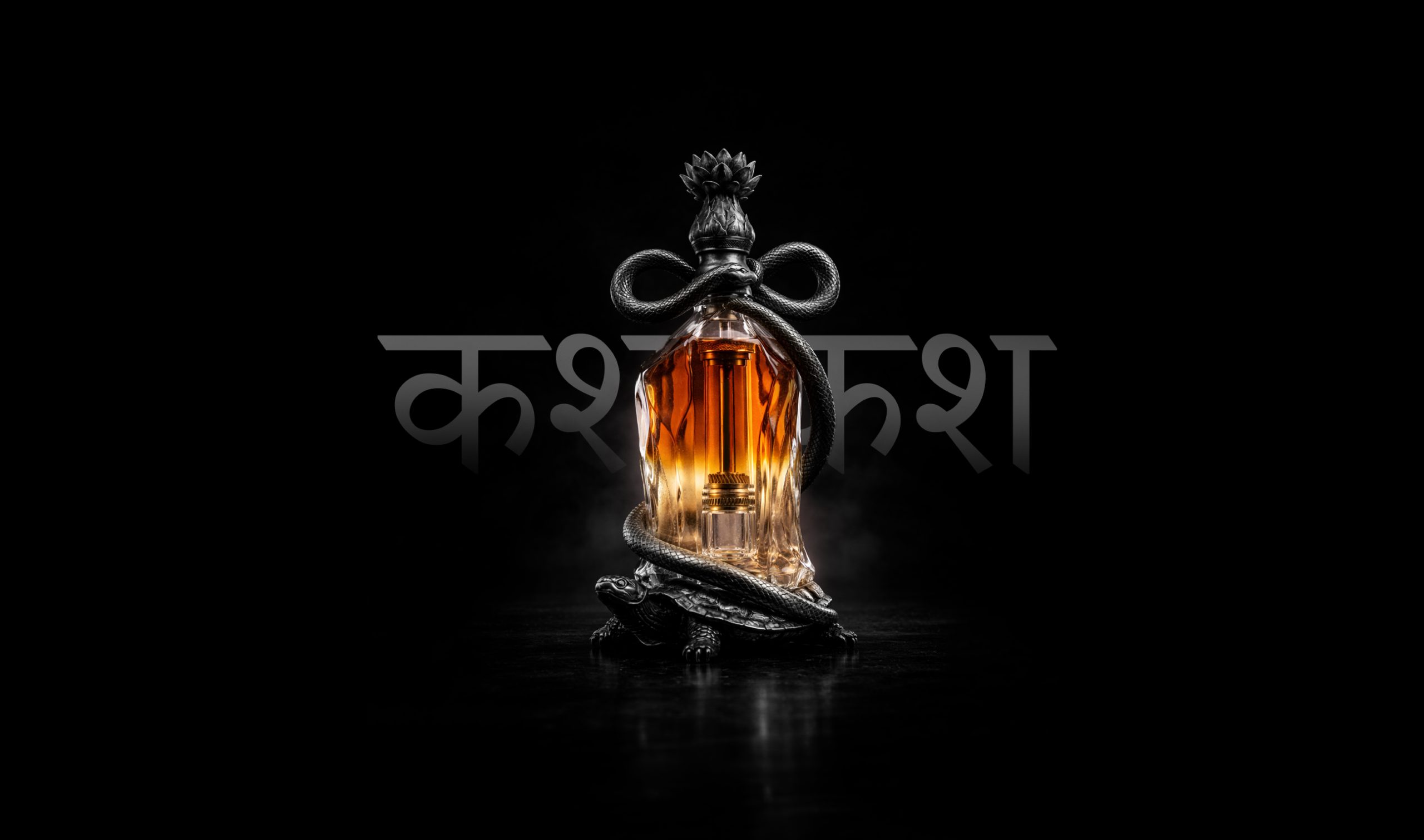
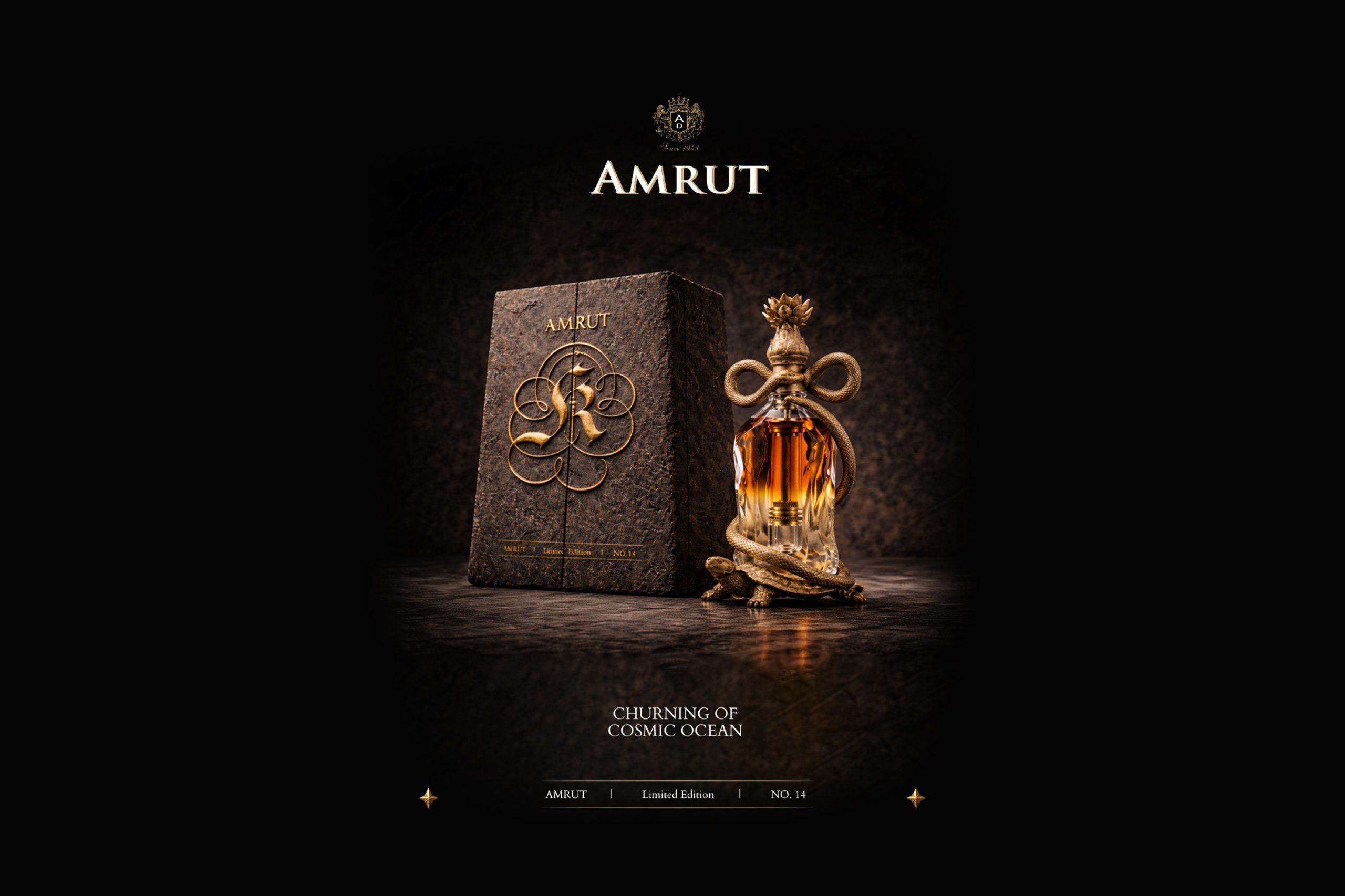
The bottle rests on Kurma, the tortoise who bore the weight of the churning. Vasuki, the serpent used as the churning rope, coils at the neck. A lotus sits at the crown. The outer casing references Mandara, the mountain used as the churning rod: ancient stone, split at the centre, sealed with gold.
The drawing mechanism is where the concept lands most directly. Instead of pouring, the drinker draws a measured amount through the lotus-topped syringe. You work before you receive. For something named after the nectar that took an ocean to produce, that felt like the only honest way to serve it.
Concept Project for Amrut Distilleries by De Icebreaker Creative Studio
 MID-AIR STUDIO
 Heramb Arora
 monther al omari
 Tríona O'Donoghue • Design
 Cocoon Prague
 alchimistestudioParis
 hugo zapata
 Bonsanco Creative Studio
 parawaradesign
 UPRISE
 Brand Society
 Que Cálido Studio®
 Richest Branding Pvt. Ltd.
 STRATEDGY
 Shapers Studio
 Platon Ivantsov
 WPA Pinfold
 giselepereiradesign
 ShalaSketches
 05Creation
 Voit Studio
 SSTO
SSTO