

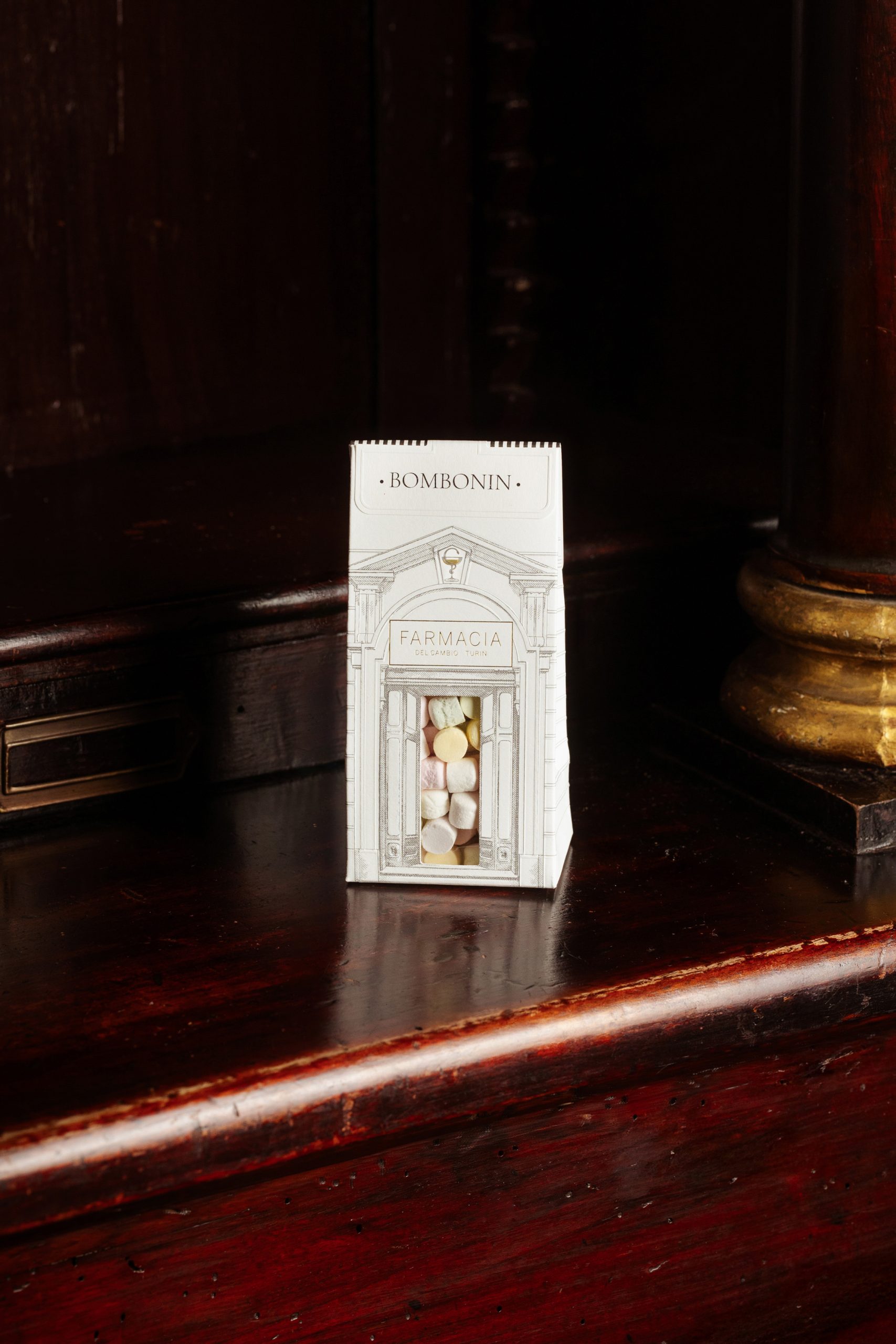
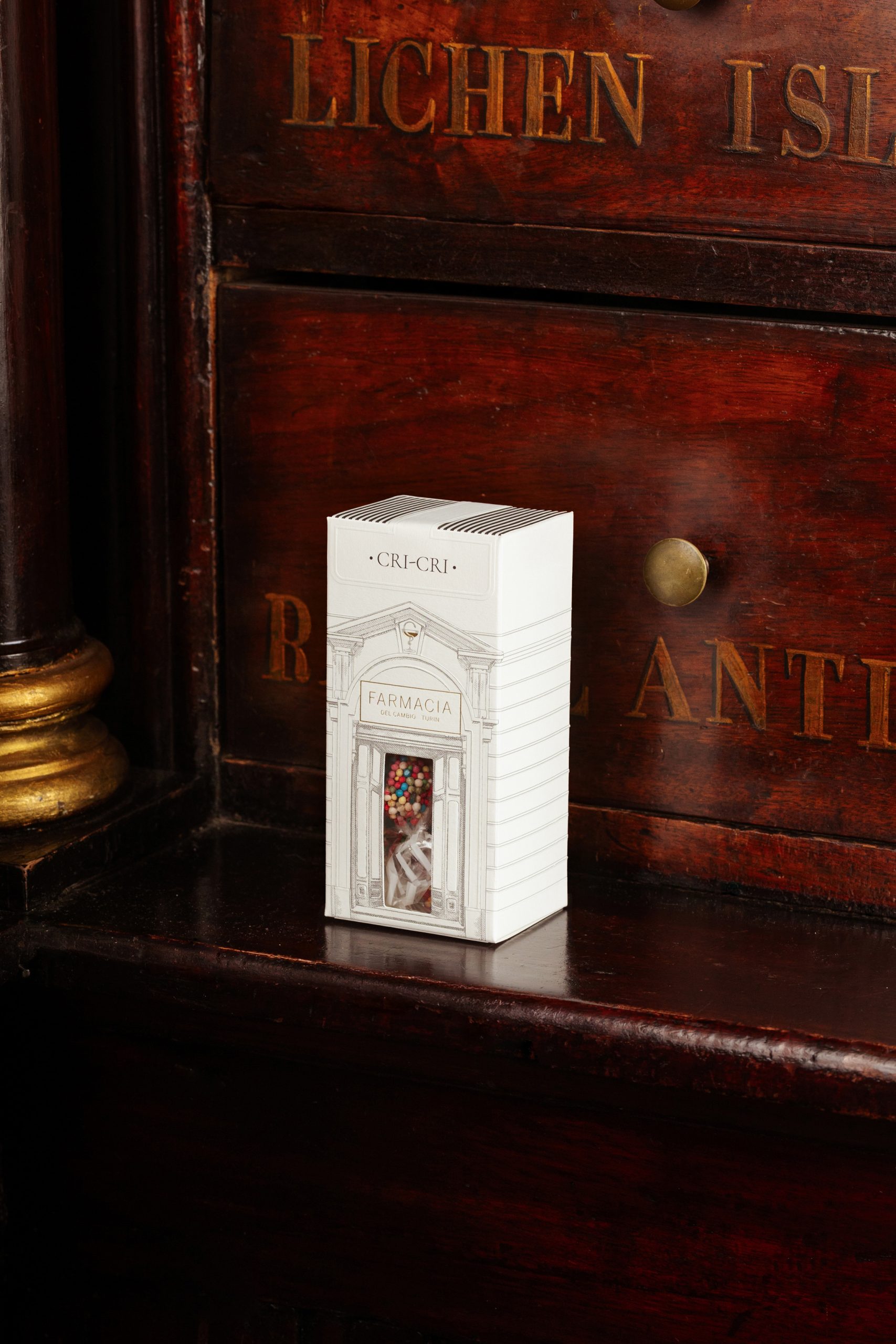
Founded in 1757, Del Cambio is Turin’s oldest restaurant. Its packaging collection translates the house’s own façades, above all La Farmacia with its distinctive entrance on Piazza Carignano, into engraving-style illustrations, embossing and gold foil, turning each gourmet product into a small printed portrait of the place.
Del Cambio is not simply a restaurant: it is a Turin institution. Opened in 1757 in Piazza Carignano, it grew alongside the city that became the first capital of the Kingdom of Italy, hosting Cavour, statesmen, writers and contemporary artists at its tables. Rebranding a place with this much history meant working with memory as a raw material, rather than replacing it.
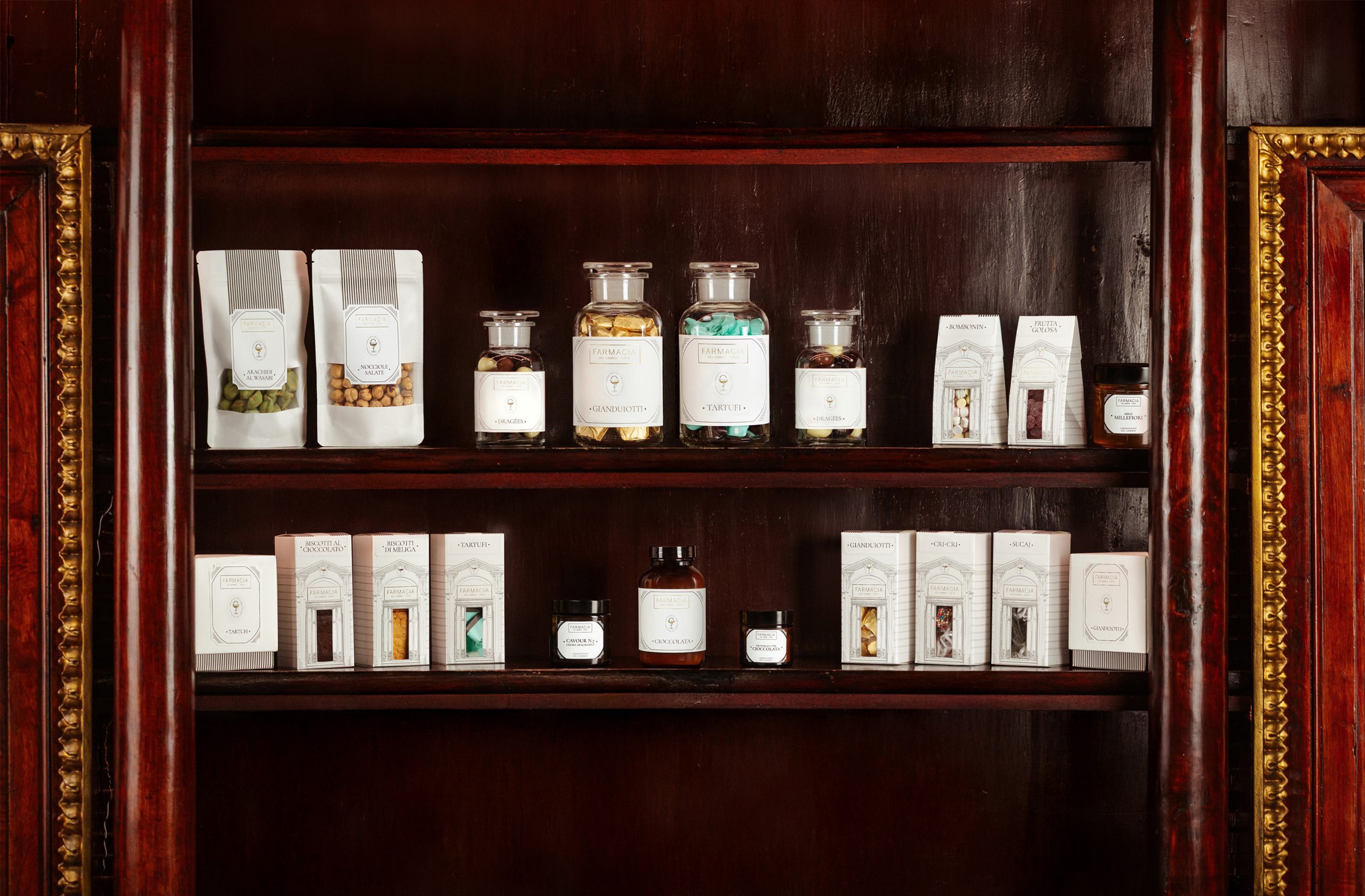
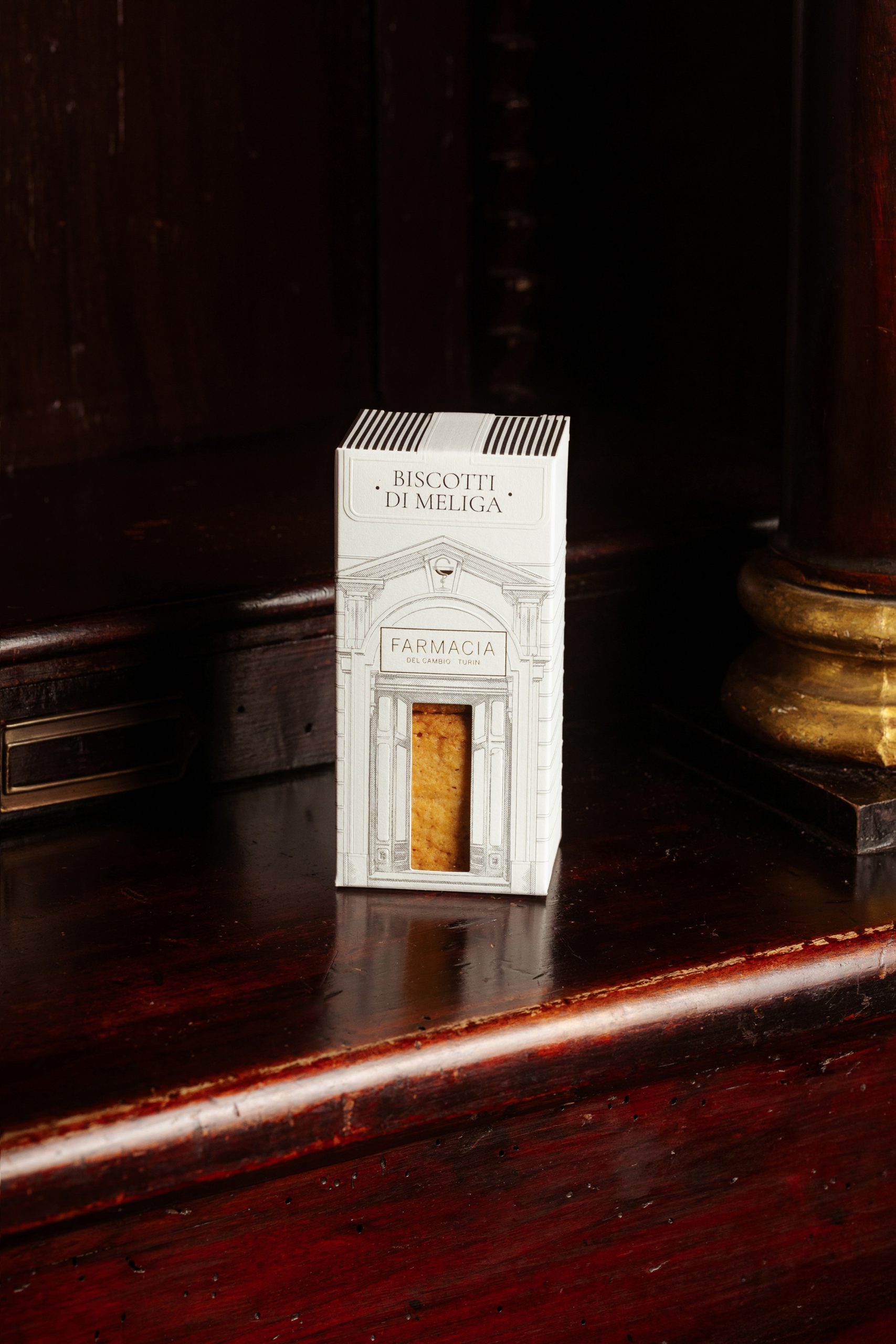
The packaging collection is the tactile chapter of a wider identity project. Its visual language is built on hand-drawn illustrations in engraving style, portraying Del Cambio’s own architecture: the three entrances opening onto Piazza Carignano and, in particular, La Farmacia, whose singular doorway set into the historic façade has become one of the most recognisable images of the house. Alongside it, the architectural details and decorative motifs of the interiors complete a vintage, romantic imagery of clearly French descent, a deliberate echo of the encounter between French culture and Piedmontese culinary tradition that has always defined Del Cambio.
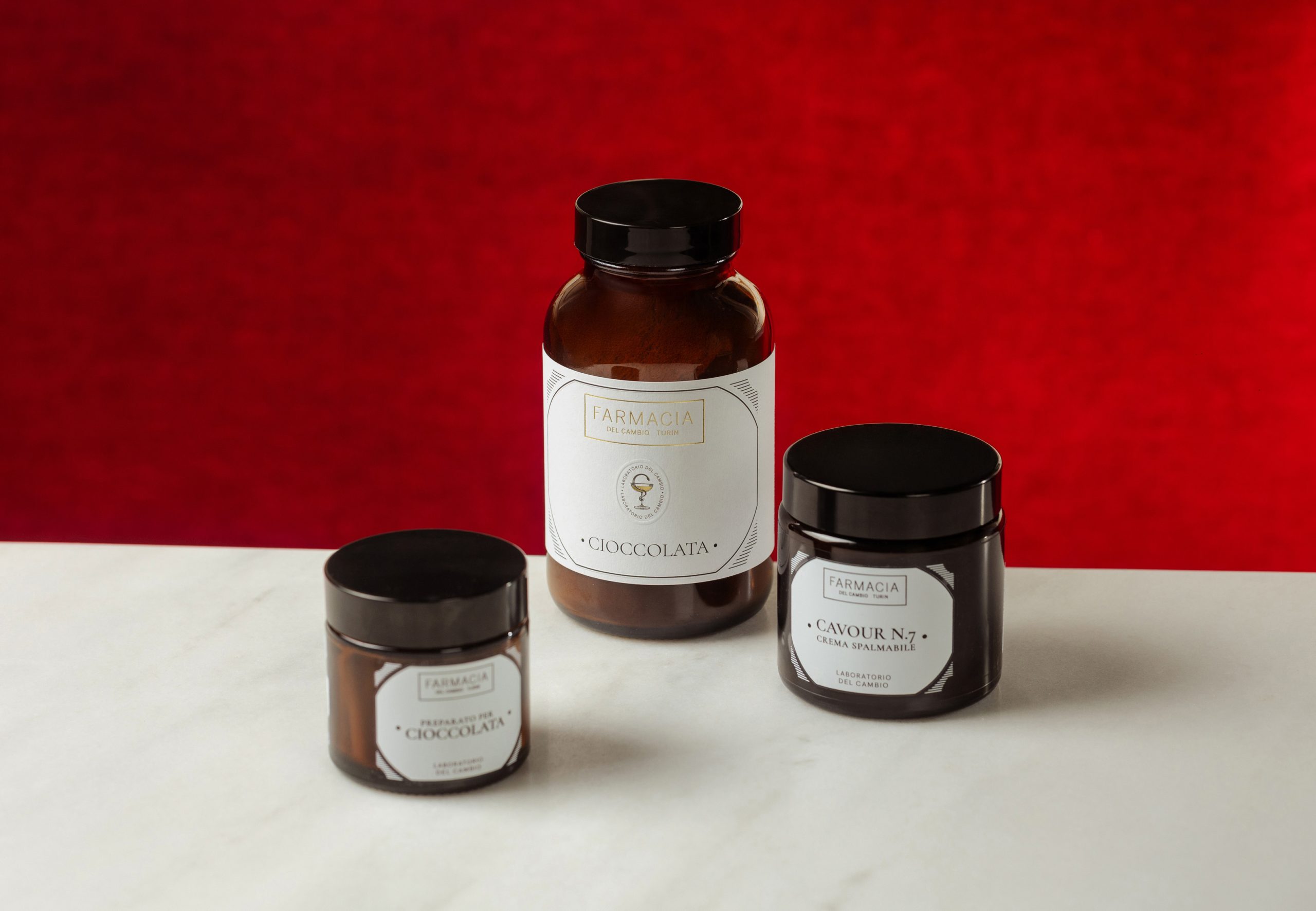
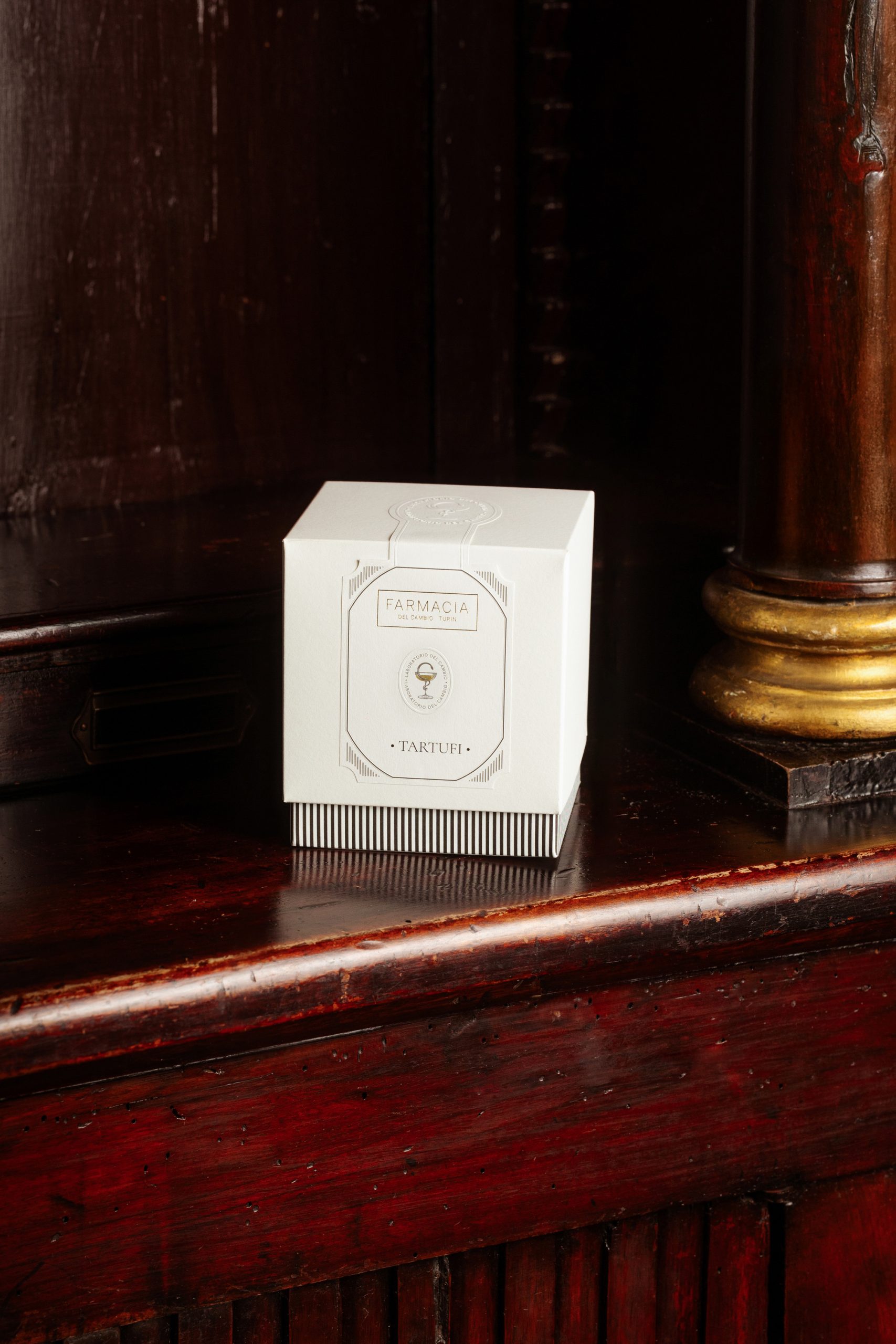
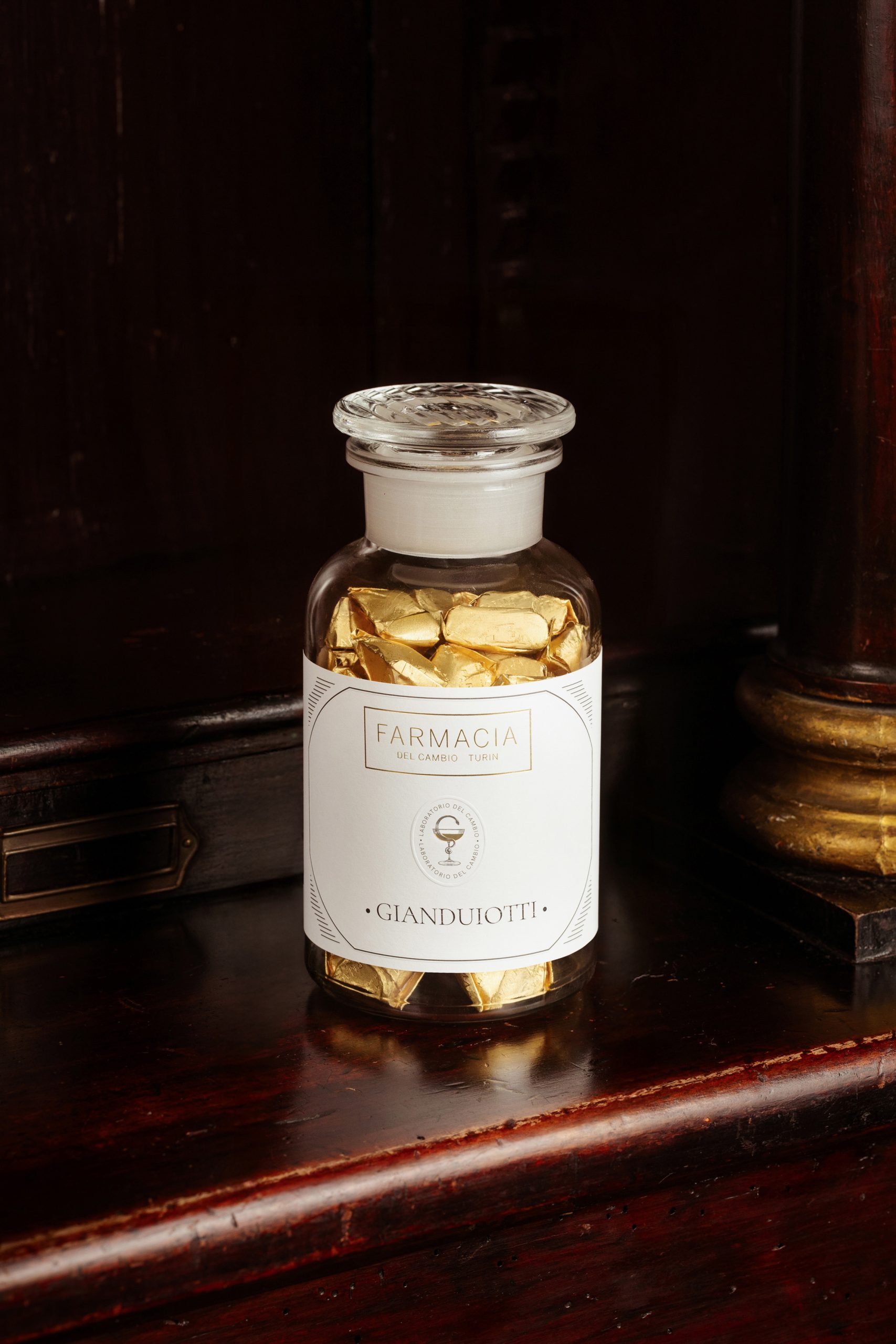
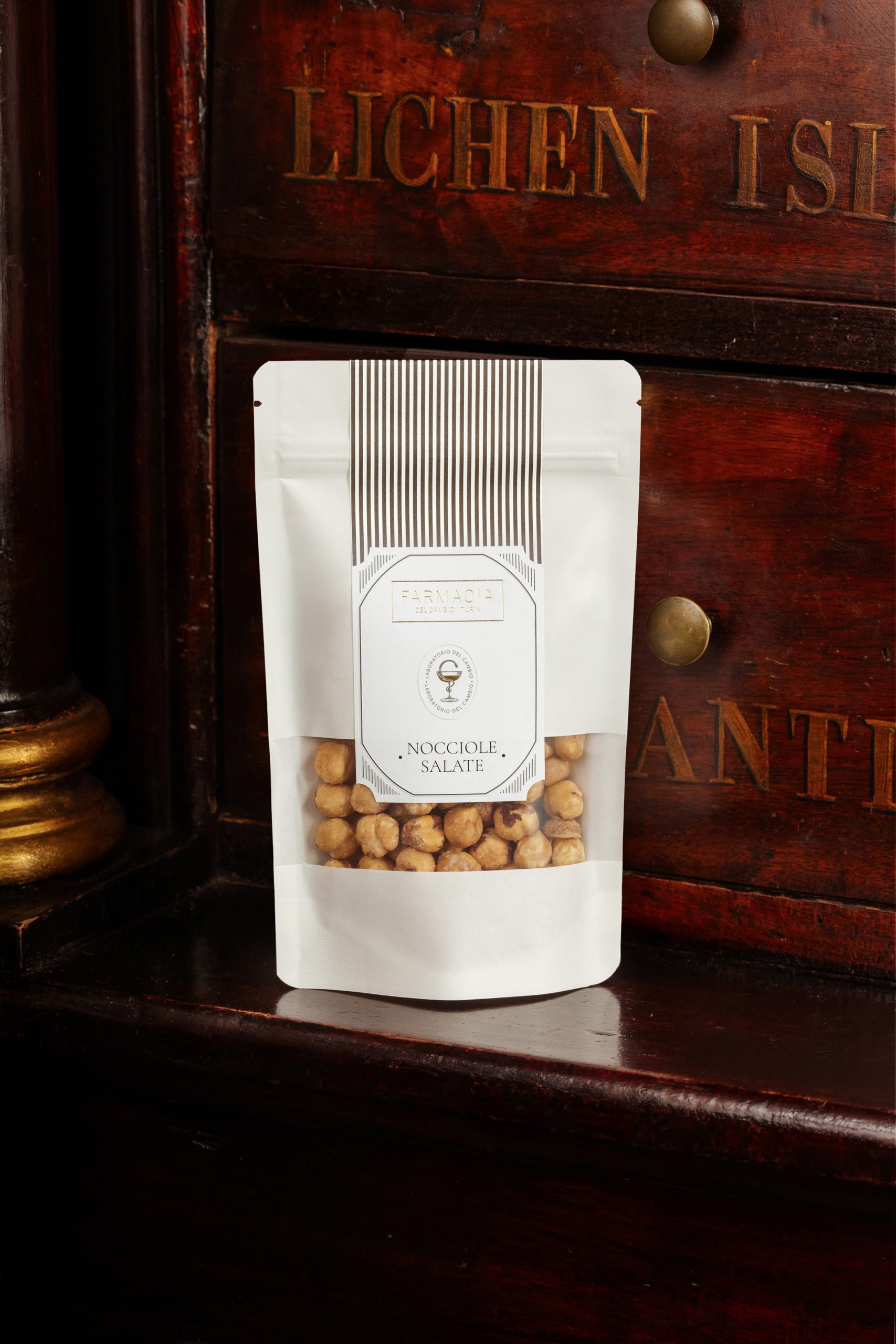
The system covers the full gourmet range sold in the boutique and online: gianduiotti and dragées, cri cri, bombonin and sucaj, meliga and chocolate biscuits, hazelnut spread, millefiori honey, drinking chocolate, fruit jellies and savoury specialities. Boxes, labels and jars share one grammar, made of a restrained palette, a classical typographic hierarchy, blind embossing and gold hot foil stamping, while each product is distinguished by its own illustration. Consistency comes from the system, personality comes from the drawing.
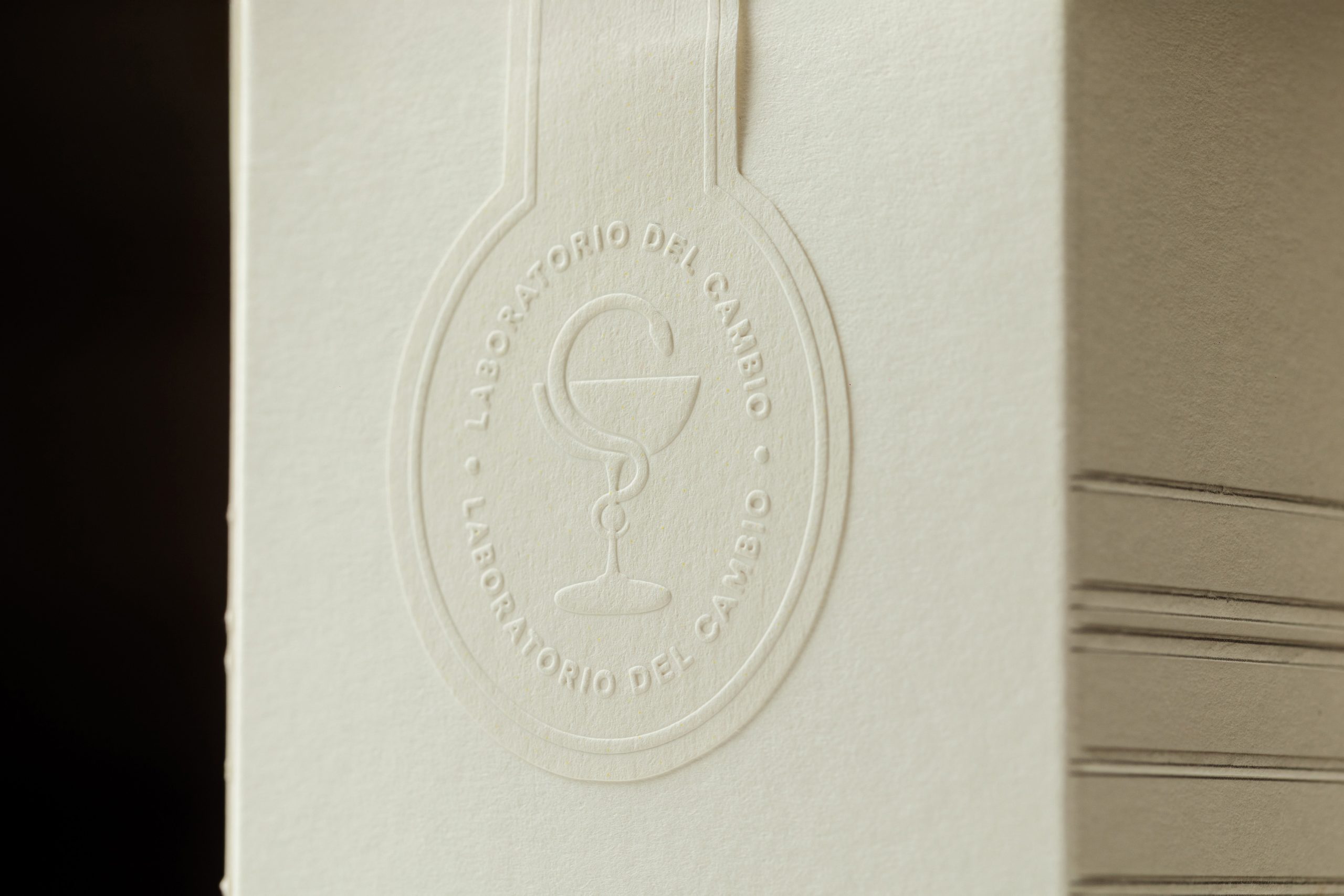
Print finishing was treated as design substance rather than decoration. Embossing gives the engraved lines physical relief, so the façades can be read by touch as well as by sight, while gold foil catches the low, warm light of the restaurant’s rooms and recalls the gilded details of its interiors. Formats were designed for gifting and for shelf presence in the boutique, with tactile stocks that age well and packs people are inclined to keep rather than discard.
The project shows how packaging can extend hospitality beyond the table. Each box carries a fragment of Del Cambio home with the guest, its doors, its façades, its light, prolonging the experience of a place that has been part of Turin’s story for more than two and a half centuries, and giving an everyday gourmet object a lasting value, both emotional and material.
 Eva Chistyakova
 Puigdemont Roca
 marianaaworks
 bloomburo
 andreamarinnn
 Alina
Alina Saadmost
 Bruhken
 Maruf Nishat
 Richest Branding Pvt. Ltd.
 Sophiagdotcom
 saifullahmaslool
 Up-Brands
 Atiq Alam
 daniitenaa
 artworkbysofia
 monther al omari
 Valérie Colace
 Tianqii
 Anum
Anum anisameur
 tauqueer
 SOT B&D
 Palashcc
 Derrick Lin