

Sofseparo is a home fragrance diffuser brand built on a simple idea: scent as an architectural element. Rather than treating fragrance as decoration, Sofseparo positions it as a tool for shaping space: defining zones, setting rhythm, and giving a room character.
The name merges “soft” and “separation”, a soft division of space through scent, helping rooms feel more composed and intentional.
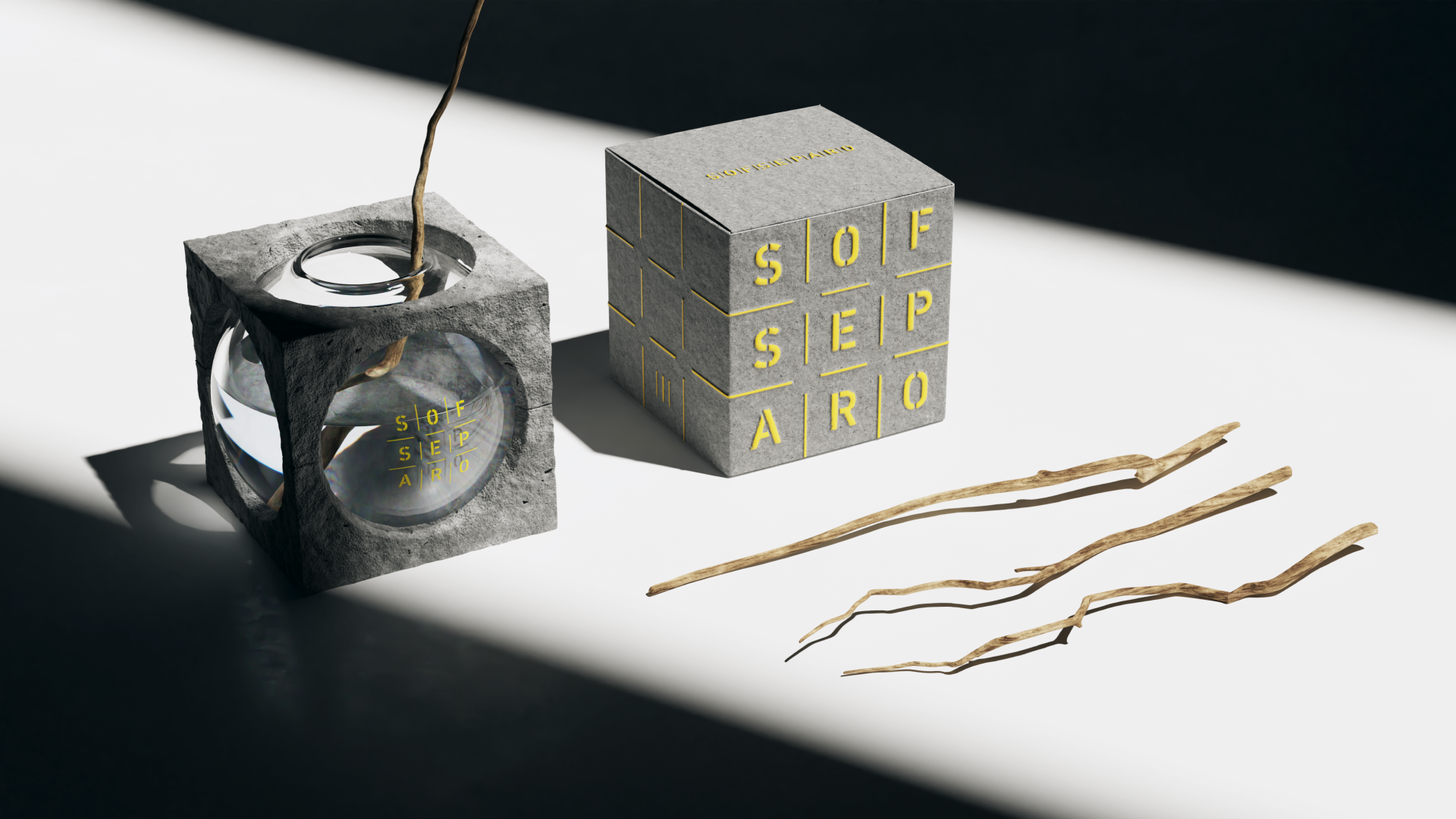
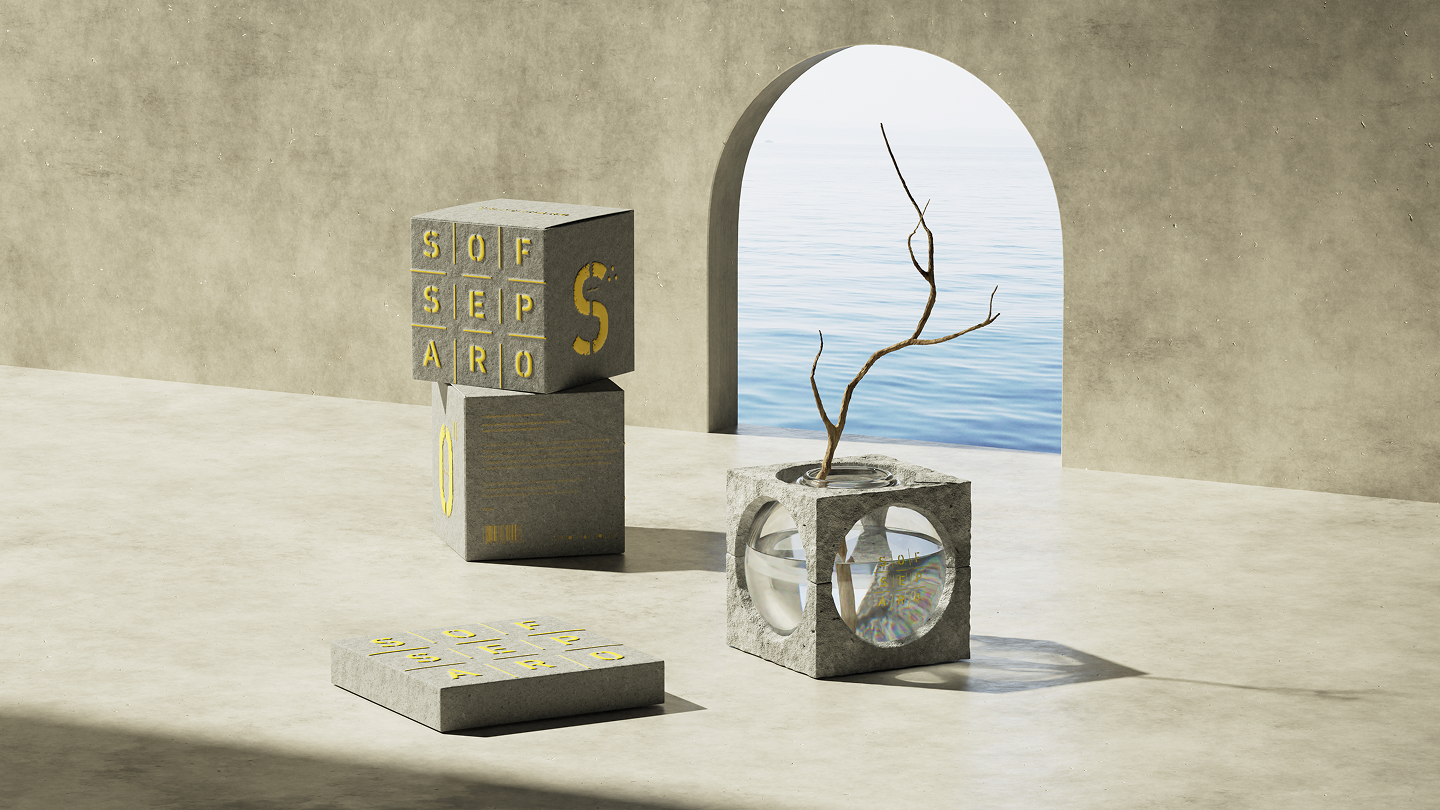
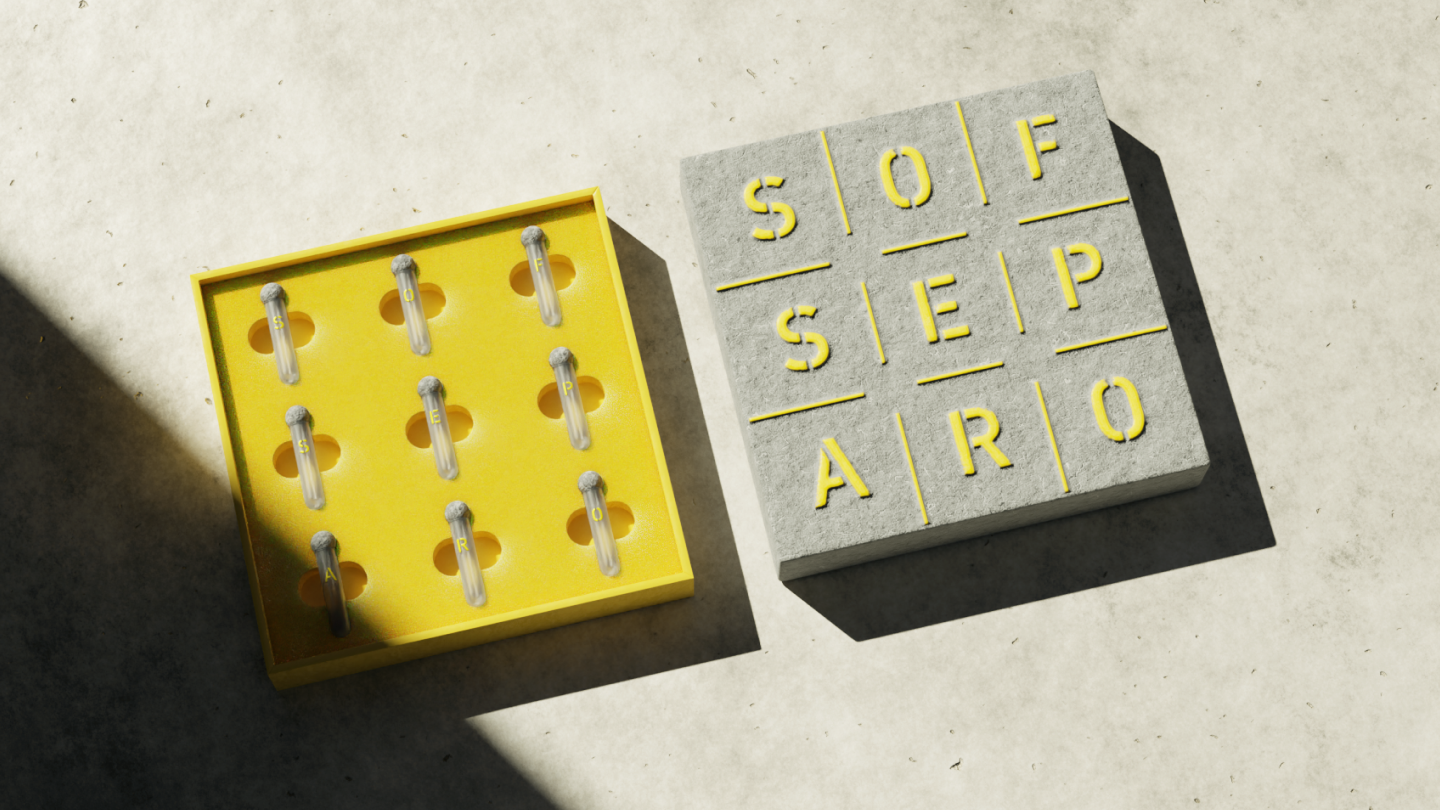
The visual identity draws on Japanese Metabolism, the architectural movement of the 1960s that treated buildings as organic, modular systems capable of growth and reconfiguration, most famously embodied in Kisho Kurokawa’s Nakagin Capsule Tower. This philosophy of interchangeable, adaptable modules translates directly into the packaging system: cube-shaped units that separate and recombine, a raw concrete texture, and a lemon-yellow accent that reinforces the brand’s structural, architectural character. The diffuser vessel continues the same logic — a rough concrete cube housing a blown-glass sphere, visible through circular cutouts on each face, echoing the capsule-and-void language of the packaging.
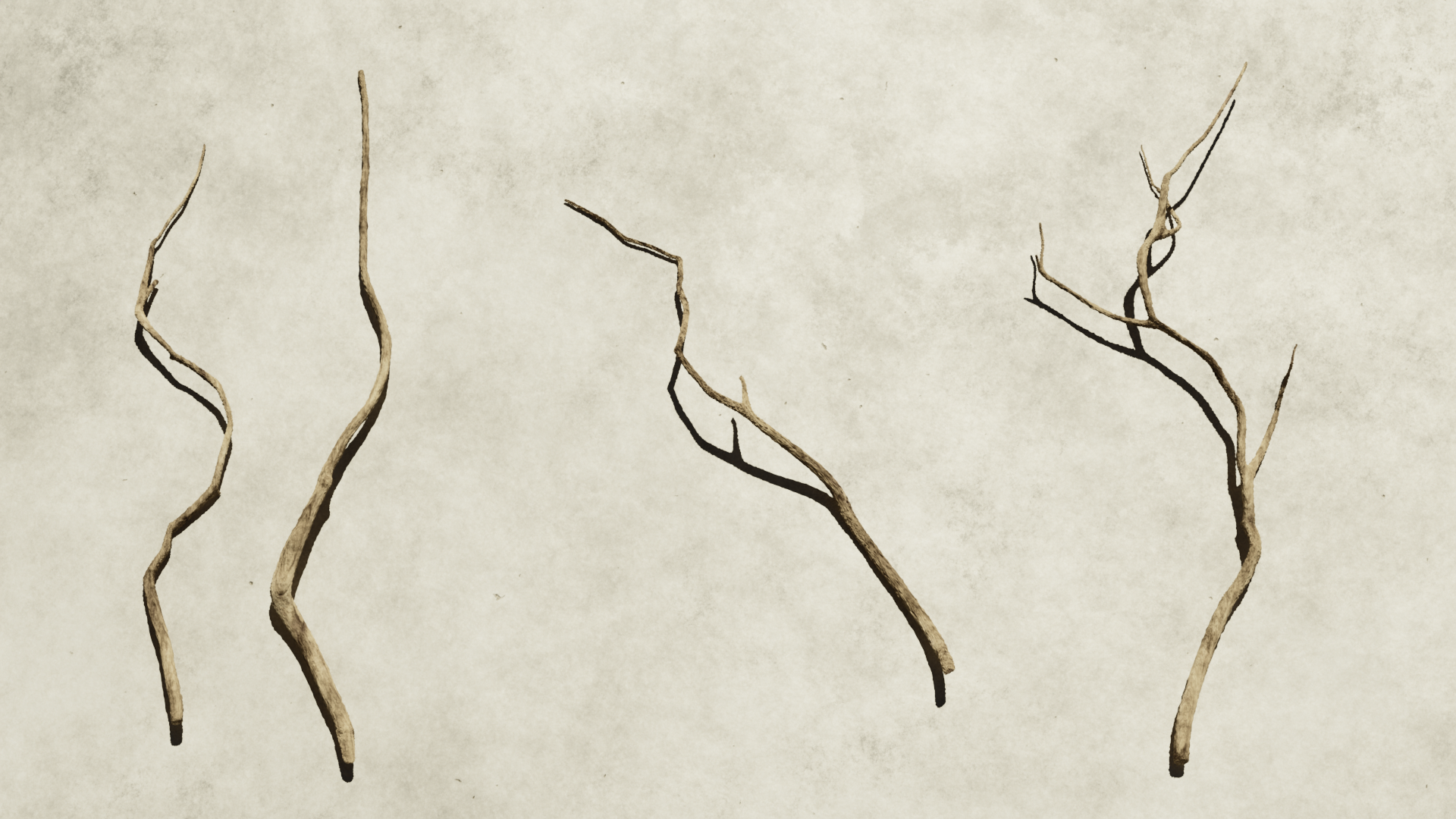
Instead of conventional straight rattan sticks, the diffuser uses irregular, branch-like reeds. Crooked and organic, closer to real twigs than to a manufactured object. This detail softens the brutalist concrete shell with a note of raw nature, reinforcing the sense that the object grows and changes rather than stays fixed, in keeping with the Metabolist idea of living, adaptable structures.
Typography follows the same modular principle: letters set into a grid of cells, reinforcing the idea of separation and reassembly at the core of the brand.
This is a student design project, completed by Maria Naimushina at the British Higher School of Art and Design, Olga Prokhorova — tutor of the module, 3D — Andrew Kuzmin, Katya Slobodskaia — Art Direction Program Head.



 softmachine
 monther al omari
 alchimistestudioParis
 airobtq
 Buzz & Co.
 Ruby
Ruby themythographer
 IDNB Inc.
 viktorflr
 Zenpack
 Wessam Hussien
 samarabdelmonem
 StudioMordius
 Polaris Designs
 Atiq Alam
 duha mohamed
 HassanEtman22
 agarcia studio
 Wynand88
 Eva Chistyakova
 Maria Bukhtilova