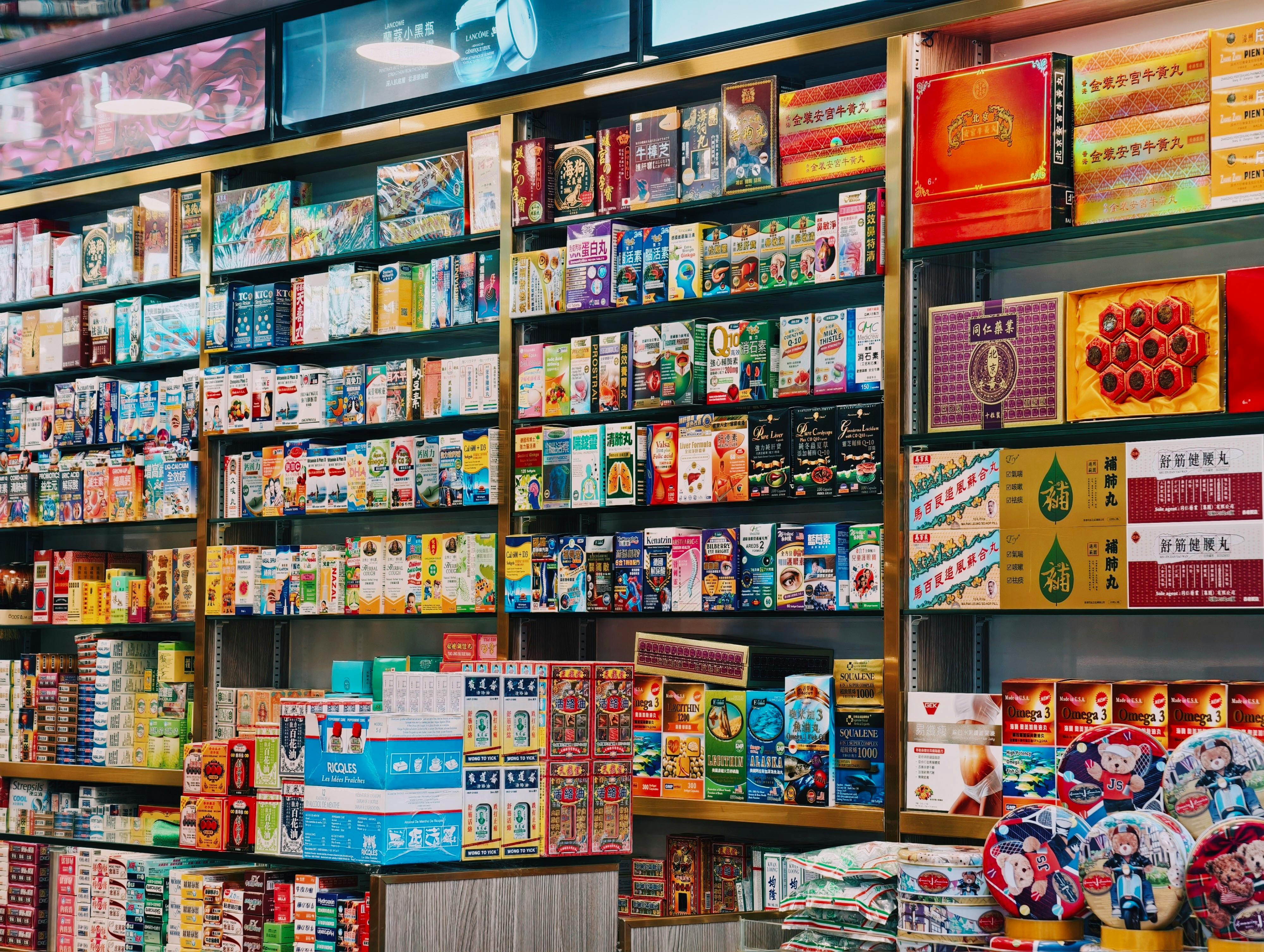

The packaging of your product is super important. Retail shelves are busy places where products compete for attention every second. Good packaging design can help businesses get noticed and communicate value to consumers before a product is even opened. It is about representing the content of the package, while staying in line with the brand image and also attracting customers. Packaging has its work cut out for itself.
In stores, consumers are surrounded by choices, whether they are shopping for food, beauty products, electronics or household goods. In environments like these, packaging is not just there to hold the product together; it often becomes one of the main reasons somebody notices an item in the first place.
People Judge the Package Before They Judge the Product
Before somebody tries a product, smells it, tastes it or tests how well it works, they usually see the packaging first. Ever heard the saying “first impressions matter”? Well, this could not be truer than with packaging. It is the first interaction that matters more than many businesses expect.
Packaging design shapes early impressions in ways that happen very quickly. The color palette, material choices, imagery and layout all add to how consumers interpret a product. Sometimes people do not even realize they are making these judgments but they are. It’s a mental game that’s happening that consumers don’t even notice. Weighing one option above or below another just because of the packaging.
As a business, there are many different ways to approach packaging. You can go purposefully simple with clean designs that might suggest quality or ease. A bold, playful design might communicate creativity or energy. Either way, the truth of the matter is that on crowded shelves, products rarely get long moments of attention. People scan quickly, compare quickly and often make fast decisions. They’re in a rush; this is normal. But good packaging helps guide the process by giving shoppers visual signals that help them sort through options.
Packaging Works Like a Silent Salesperson
One useful way to think about packaging is to imagine it as a salesperson that never stops working. Without saying much, packaging communicates information about the product, the brand and the intended customer experience.
Consumers often want quick answers when they shop. Is this product affordable or premium? Practical or luxurious? Packaging design helps answer those questions before somebody reads a detailed description. That is important because modern retail environments can be overwhelming. People do not always have the patience to compare every feature, ingredient or product benefit in detail.
Good packaging helps simplify the decision. It can make information easier to understand, draw attention to important details and help shoppers feel more confident about what they are picking up. When design removes confusion instead of adding to it, products tend to feel easier to trust.
Shelf Presence Is More Than Just Making Something Look Good
A common mistake businesses make is assuming packaging design is mainly about aesthetics. Of course, appearance matters but effective packaging needs to perform in real retail settings, not just in design presentations or mockups.
Products compete against other products, shelf layouts, lighting conditions and visual noise. Something that looks beautiful on a screen might disappear once placed in a crowded store aisle.
This is partly why some businesses choose to work with a creative branding agency when developing or refining packaging concepts. Strong packaging design often draws on branding strategy, consumer behavior, visual storytelling and an understanding of how products function in retail environments. Functionality matters too. Consumers notice when packaging is difficult to open, hard to understand or visually cluttered. Packaging needs to support the user experience, not complicate it.
Consistency Helps Products Become Recognizable
One well-designed package can attract interest. Consistent packaging can help build recognition over time. When shoppers repeatedly see familiar colors or visual patterns, they begin associating those elements with a particular brand. That familiarity can become incredibly valuable in crowded retail environments.
Many consumers can identify certain products from several feet away without reading the label carefully. That level of recognition usually comes from repetition and consistency. As businesses expand product lines or introduce variations, maintaining a recognizable visual system becomes increasingly important.
Packaging Design Can Shape Buying Decisions in Subtle Ways
Consumers often think they make purchasing decisions logically, based purely on price, quality or product specifications. In reality, emotional reactions influence buying behavior more than many people realize.
Packaging design contributes to those reactions early in the decision-making process. It shapes how people perceive quality, trustworthiness, personality and value before the product itself has had a chance to prove anything. This becomes especially noticeable in categories where products are similar in price, ingredients or purpose.
Retail environments are not becoming simpler or less competitive. If anything, consumer choice continues expanding. Businesses need practical ways to help their products get noticed, remembered and chosen. Packaging design remains one of the most effective tools for doing exactly that.
 Guest Writer
 Agustina Bo
 paulaodisea
 IrinaNikatina2323
 SERIESNEMO
 Cupla Studio
 ZERO11
 VaryaDrebent
 hello ocean
 Yash Panchal
 Nina Patseva
 Modern Theory
 Dizen
 Ebbi
 monther al omari
 YNOT TONY Design Studio
 BOYA Printing
 NEV
 Andydesigns
 Armoder Arte y Diseño
 rufydesign
 Sti&Co Design
 Vijay Raj N | Brand Designer
 theabsurdcompany
 Hollóka Grafikai Műhely / Graphic Design Studio