Curator's PicksSubmit a projectShare your work

Explore by Country

AfghanistanAfricaAlbaniaAlgeriaAmerican SamoaAndorraAngolaAnguillaAntarcticaArgentinaArmeniaAsiaAustraliaAustriaAzerbaijanBahamasBahrainBangladeshBarbadosBelarusBelgiumBeninBoliviaBosnia and HerzegovinaBotswanaBrazilBritish Indian Ocean TerritoryBrunei DarussalamBulgariaCambodiaCameroonCanadaCape VerdeChileChinaChristmas IslandColombiaCosta RicaCote D'ivoireCroatiaCubaCyprusCzech RepublicDemocratic People's Republic of KoreaDenmarkDominican RepublicEcuadorEgyptEl SalvadorEstoniaEthiopiaEuropeFijiFinlandFranceFrench GuianaFrench Southern TerritoriesGeorgiaGermanyGhanaGlobalGreeceGrenadaGuadeloupeGuatemalaGuyanaHaitiHondurasHong KongHungaryIcelandIndiaIndonesiaIranIraqIrelandIsraelItalyJamaicaJapanJordanKazakhstanKenyaKuwaitKyrgyzstanLatviaLebanonLibyaLithuaniaLuxembourgMacedoniaMadagascarMalaysiaMaldivesMaliMaltaMarshall IslandsMauritiusMexicoMoldovaMonacoMongoliaMontenegroMoroccoMyanmarNepalNetherlandsNew CaledoniaNew ZealandNicaraguaNigeriaNorth AmericaNorwayOceaniaOmanPakistanPalestiniaPanamaPapua New GuineaParaguayPeruPhilippinesPolandPortugalPuerto RicoQatarRepublic of KoreaRepublic of KosovoRomaniaRussian FederationSan MarinoSao Tome and PrincipeSaudi ArabiaSenegalSerbiaSeychellesSingaporeSlovakiaSloveniaSomaliaSouth AfricaSouth AmericaSpainSri LankaSudanSwazilandSwedenSwitzerlandSyrian Arab RepublicTaiwanTajikistanThailandTrinidad and TobagoTunisiaTurkeyTurkmenistanUgandaUkraineUnited Arab EmiratesUnited KingdomUnited StatesUnited States Minor Outlying IslandsUruguayUzbekistanVanuatuVenezuelaViet NamVirgin Islands, U.S.YemenZambiaZimbabwe

Materials

Browse all

BarreXat de la Terreta
BARREXAT DE LA TERRETA

ABOUT

Barrejat — “mixture” in Valencian — is an old bar drink from Valencia: half cazalla aniseed spirit, half mistela fortified wine. Farmhands drank it at dawn before heading out to the orange groves, to take the cold off. It had never been bottled: it was mixed at the counter, one glass at a time. The brief was to turn that bar ritual into a shelf product without domesticating it.

SOLUTION

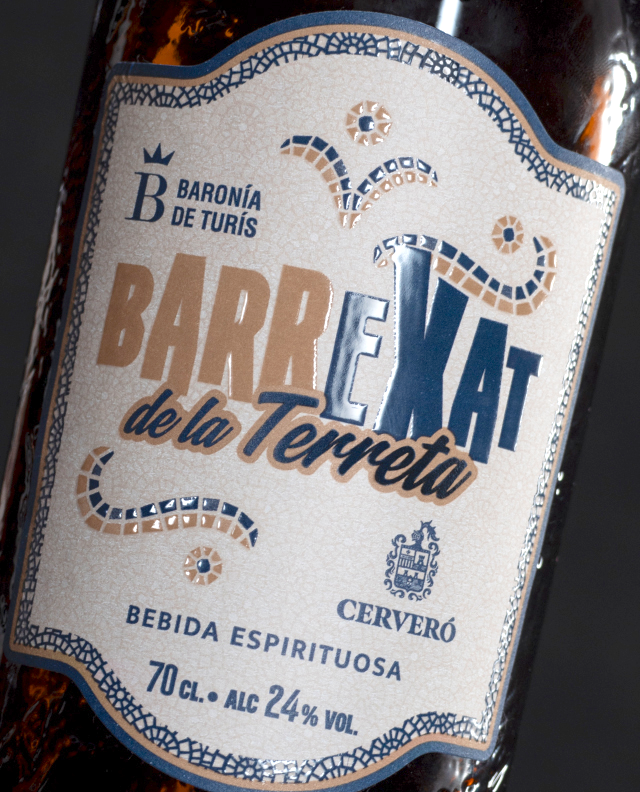
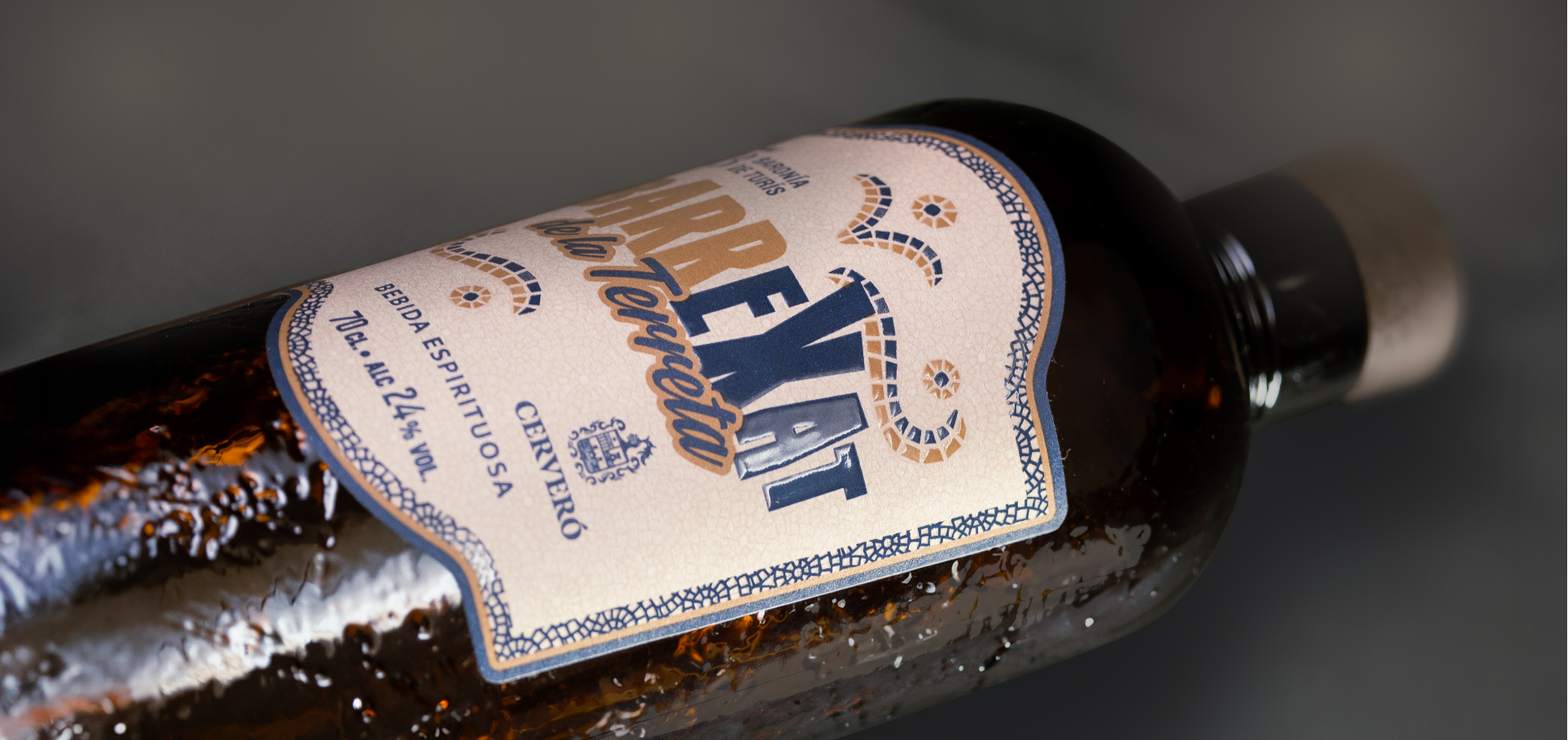
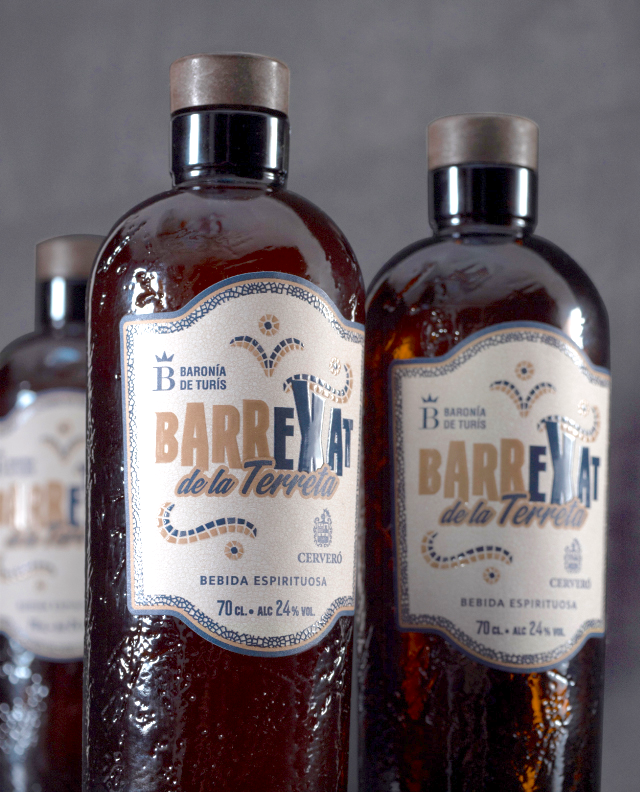
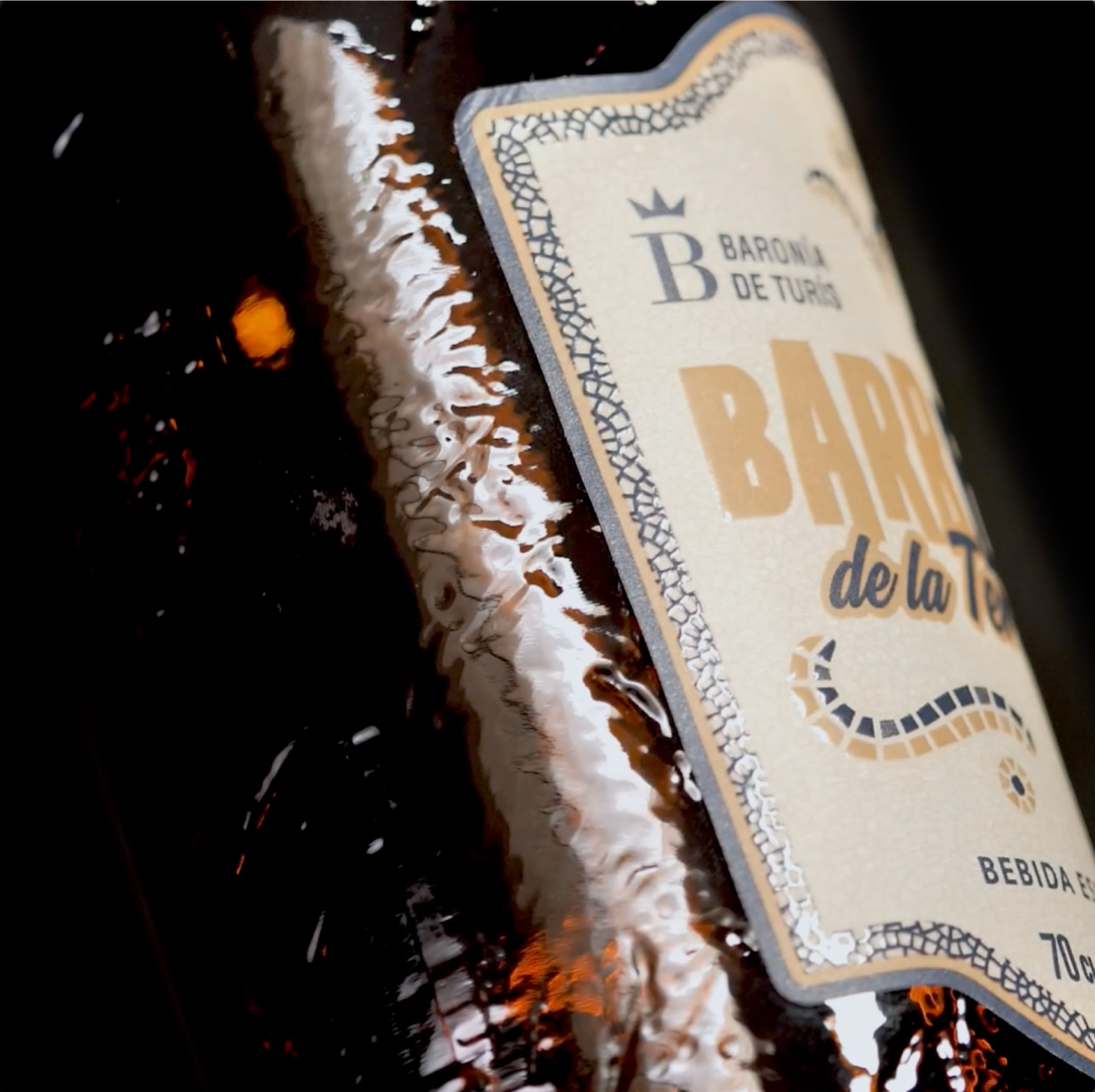
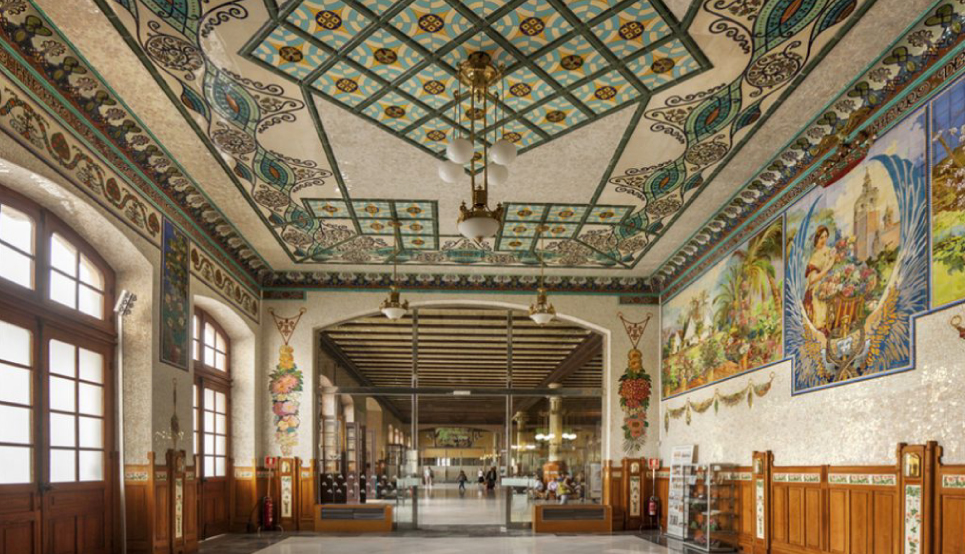
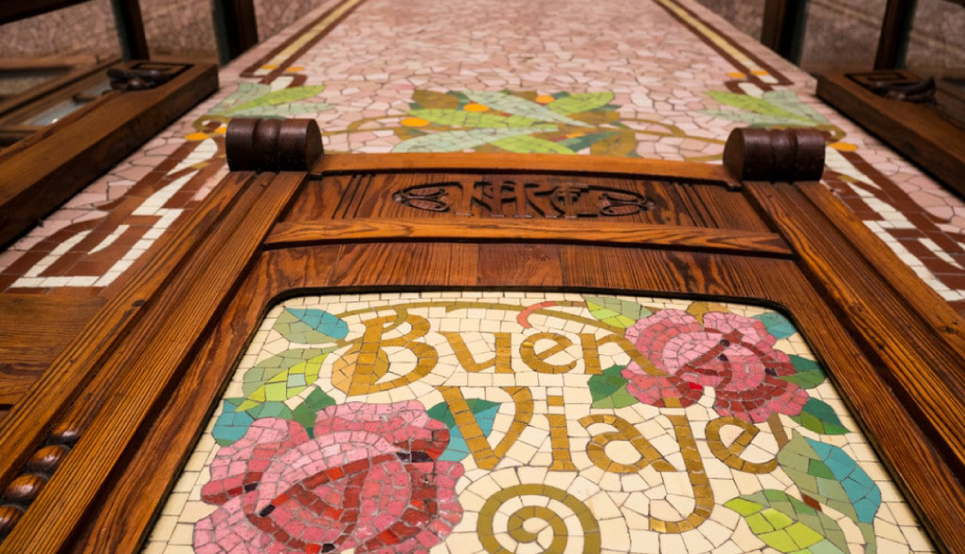
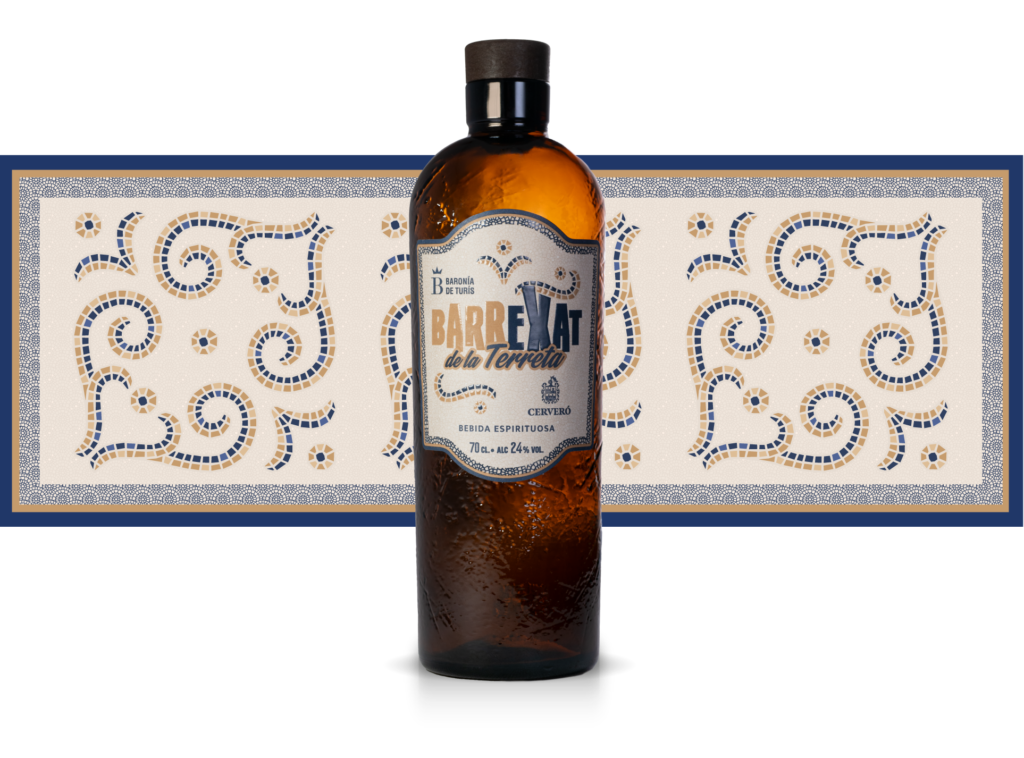
The starting point was the date. The drink became popular around 1900, at the height of Valencian modernisme, and that is where the visual answer was: the Mosaic Hall of Valencia’s Estación del Norte railway station, with its tilework, its mosaics and its trencadís, the technique of rebuilding a whole surface out of broken fragments. Here trencadís works not as decoration but as a definition of the product: two separate spirits that only exist once they are joined. The decision the whole project rests on is that the mosaic is not printed, it is raised. Every tessera is built in screen-printed braille varnish, a high-build varnish that adds real volume and a three-dimensional gloss over the matt surface of the label. Light catches each fragment separately, so the pattern shifts as the bottle is turned. The bottle itself is a stock model: all the work is concentrated in the paper and the finish.

RESULT

The mosaic is not read, it is traced with a fingertip. A drink that used to be ordered only by word of mouth now has a recognisable shelf presence, and a bottle that explains where it comes from without spelling it out.
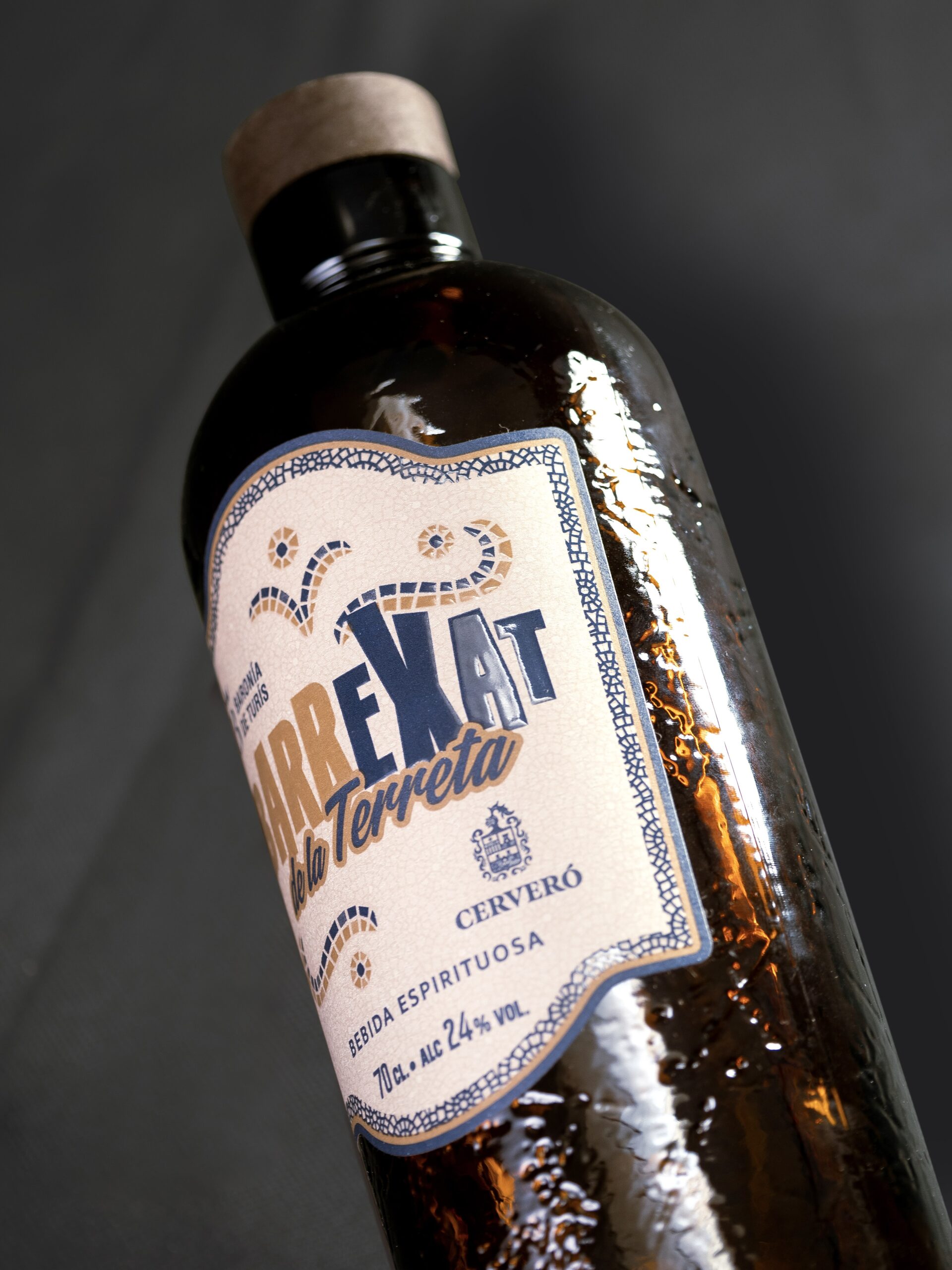
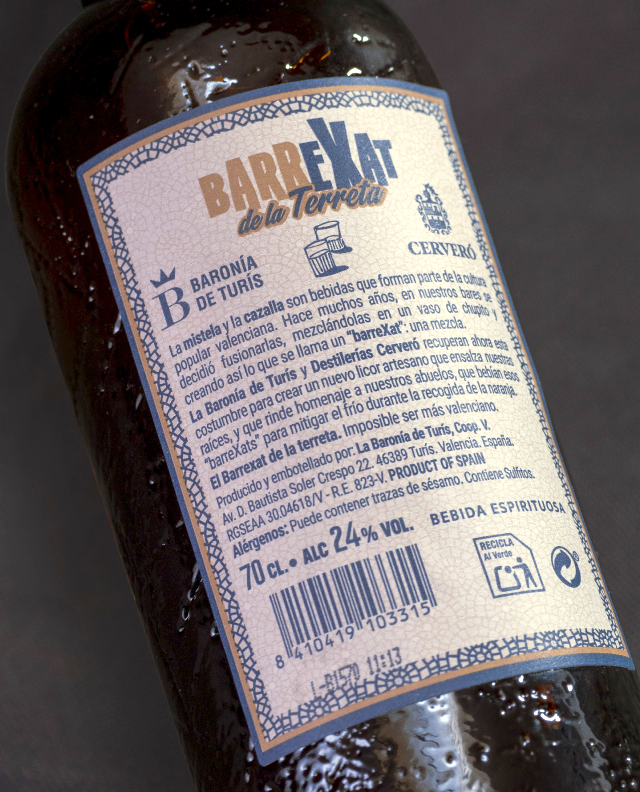
 

BarreXat de la Terreta, cocktail packaging design by La Nube de Ideas, Spain. Image 1 of 9.BarreXat de la Terreta, cocktail packaging design by La Nube de Ideas, Spain. Image 2 of 9.BarreXat de la Terreta, cocktail packaging design by La Nube de Ideas, Spain. Image 3 of 9.BarreXat de la Terreta, cocktail packaging design by La Nube de Ideas, Spain. Image 4 of 9.BarreXat de la Terreta, cocktail packaging design by La Nube de Ideas, Spain. Image 5 of 9.BarreXat de la Terreta, cocktail packaging design by La Nube de Ideas, Spain. Image 6 of 9.BarreXat de la Terreta, cocktail packaging design by La Nube de Ideas, Spain. Image 7 of 9.BarreXat de la Terreta, cocktail packaging design by La Nube de Ideas, Spain. Image 8 of 9.BarreXat de la Terreta, cocktail packaging design by La Nube de Ideas, Spain. Image 9 of 9.

Comments

0 comments