
Alimentos Judá: A Legacy That Remains at the Table
Alimentos Judá faces a common challenge in everyday consumer categories: how to grow without diluting the essence of its brand. Founded in 2002, the Guatemalan company built its history around tostadas, tortillas, nachos and other corn-based products. Its evolution required modernising perceptions of a traditional portfolio within a competitive category, while preserving its connection to Guatemalan culture and to an ingredient whose significance extends far beyond its role as food.
The strategy centred on corn itself, understood as a symbol of memory, community and belonging. This perspective shaped concepts such as ancestral wisdom, the voice of the land, edible culture and living heritage. The narrative idea, “Always at the Table,” placed the brand within familiar scenes—childhood memories, family lunches and gatherings with neighbours—transforming the product’s everyday presence into a source of emotional value. Tradition was no longer treated as something preserved in an archive, but as living material for building contemporary relevance.
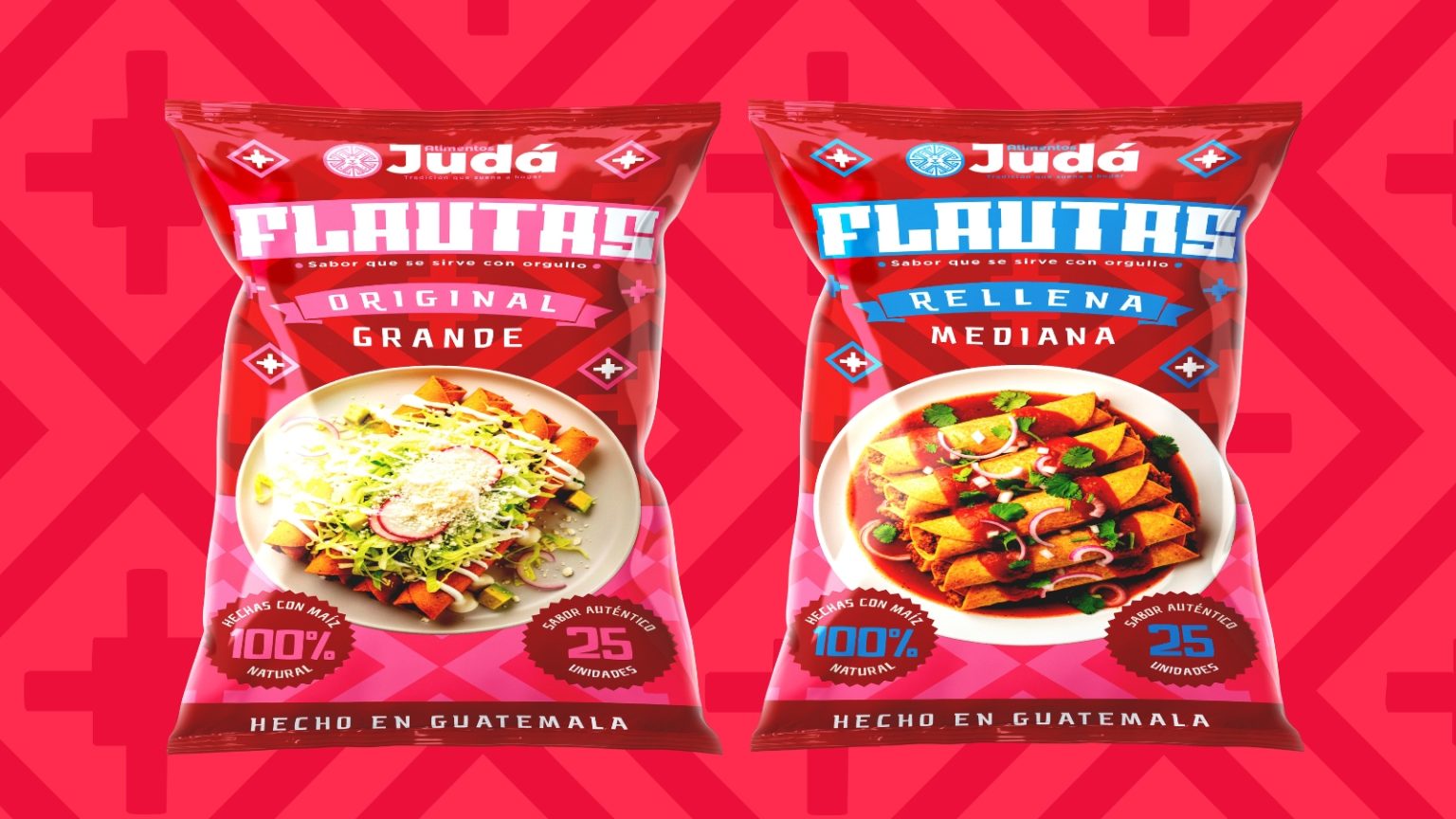
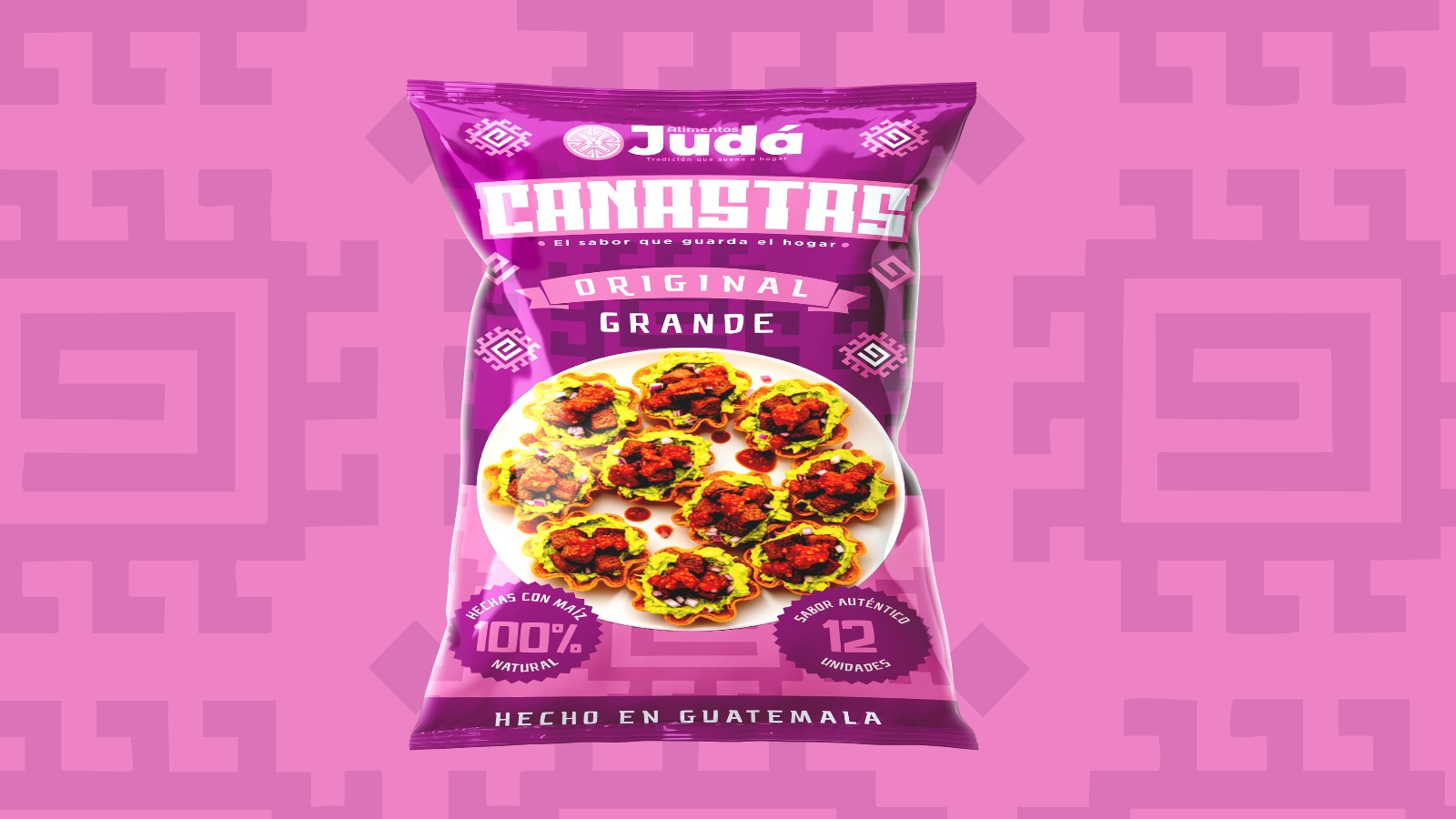
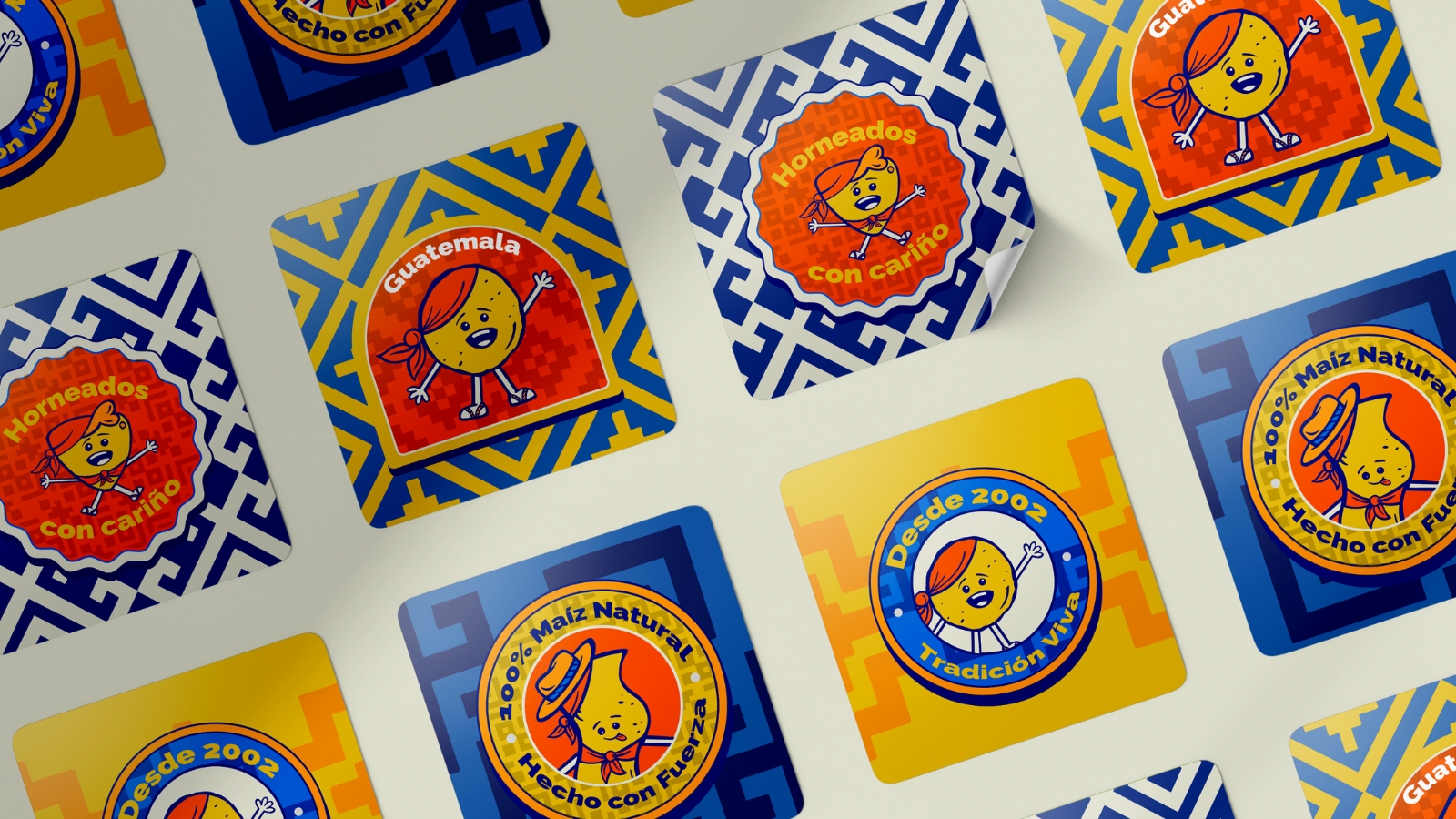
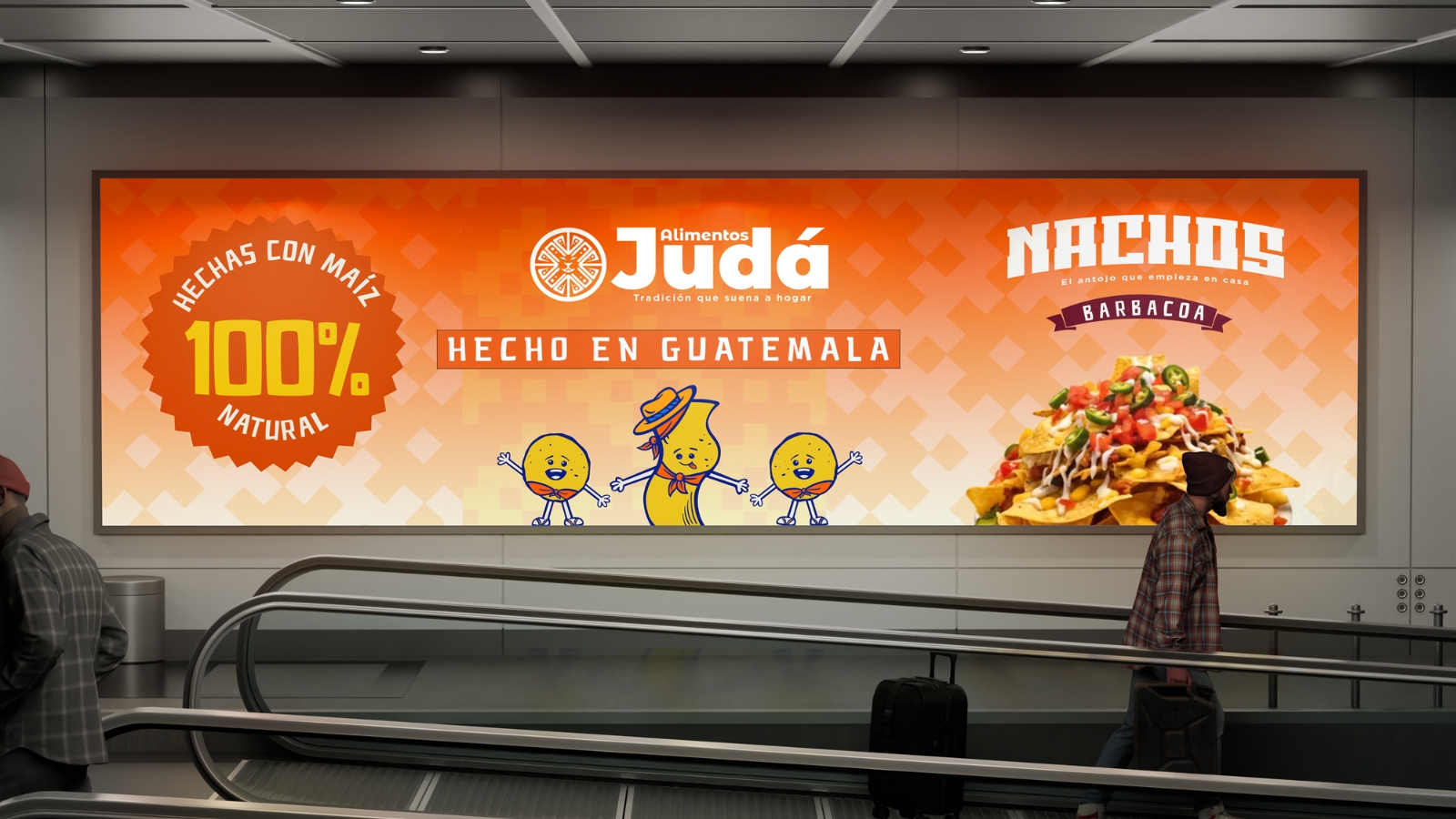
The visual system translates this idea through patterns inspired by Mayan geometric motifs, a colour palette connected to Guatemalan culture, and a symbol in which the lion coexists with a circular form that also evokes both the tortilla and the shared table. Characters such as Nachito and Taquito extend the visual language towards a younger audience, while illustrations, product architecture and a family of packaging designs organise the portfolio without creating excessive uniformity. The brand identity, characters, packaging, signage, merchandise and environmental communications all function as extensions of the same cultural territory.
Developed collaboratively by Alimentos Judá and Carreto Concepts Design Studio, the process combined cultural research, strategy, storytelling, visual identity and packaging design to give the brand a framework capable of evolving coherently. The result transforms heritage into a competitive advantage: every touchpoint reinforces recognition, belonging and memory without reducing culture to mere decoration. For Judá, the design achieves something especially valuable—keeping a tradition alive while preparing the brand for continued growth.

 agarcia studio
 Wynand88
 Eva Chistyakova
 Maria Bukhtilova
 estudiomarciano
 monther al omari
 Thirst
 Maruf Nishat
 Gray Matter Studio
 Julia Jay
 Modern Theory
 Furt Goods
 Fluid
Fluid alchimistestudioParis
 Ancora
 Mostafa Abdelmawla
 MewKittyDraw
 Studio Shala
 43oz
43oz Lucid mk2
 Atiq Alam
 IDEOLOGO
 Open Strategy & Design