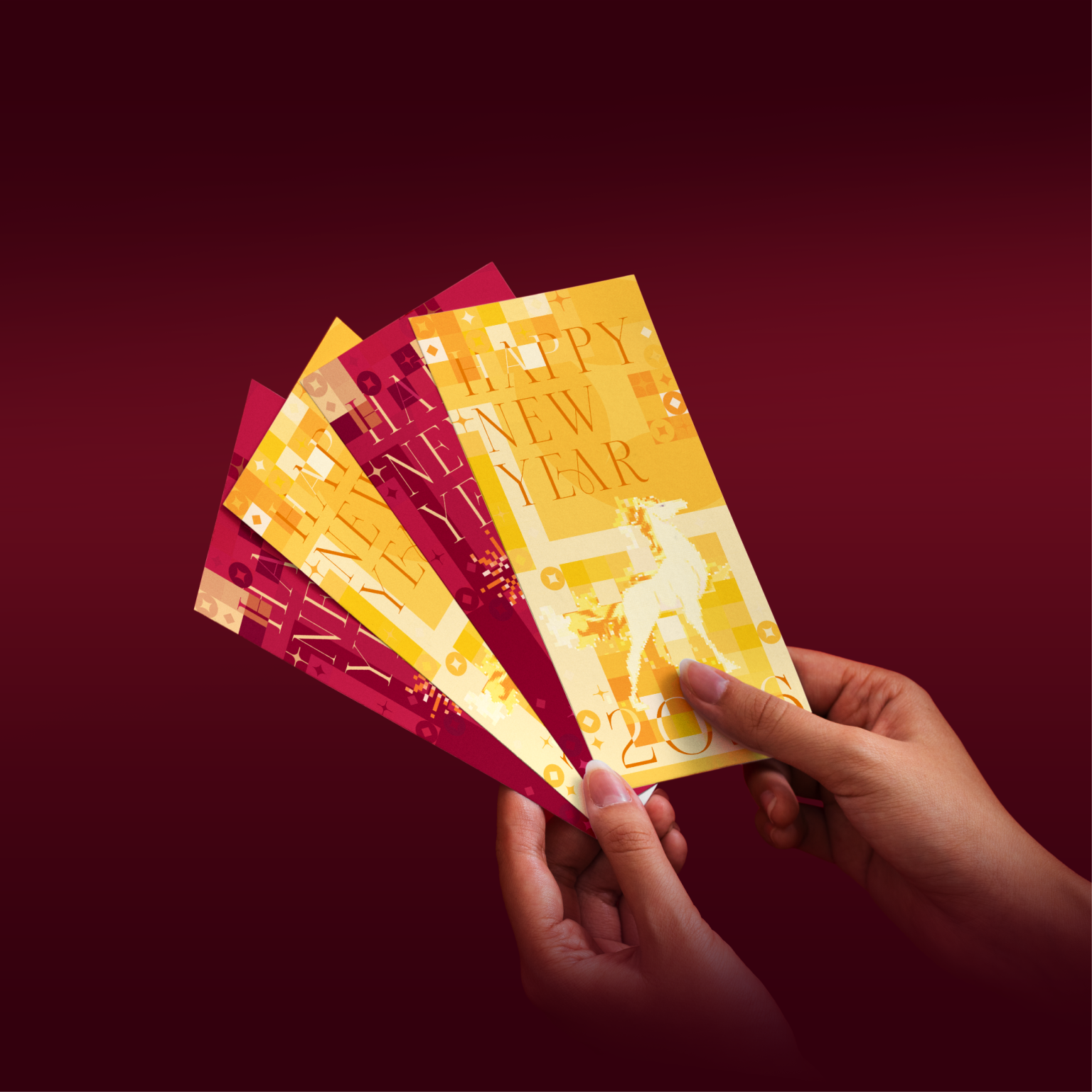

MẢNH TẾT — NEW YEAR 2026
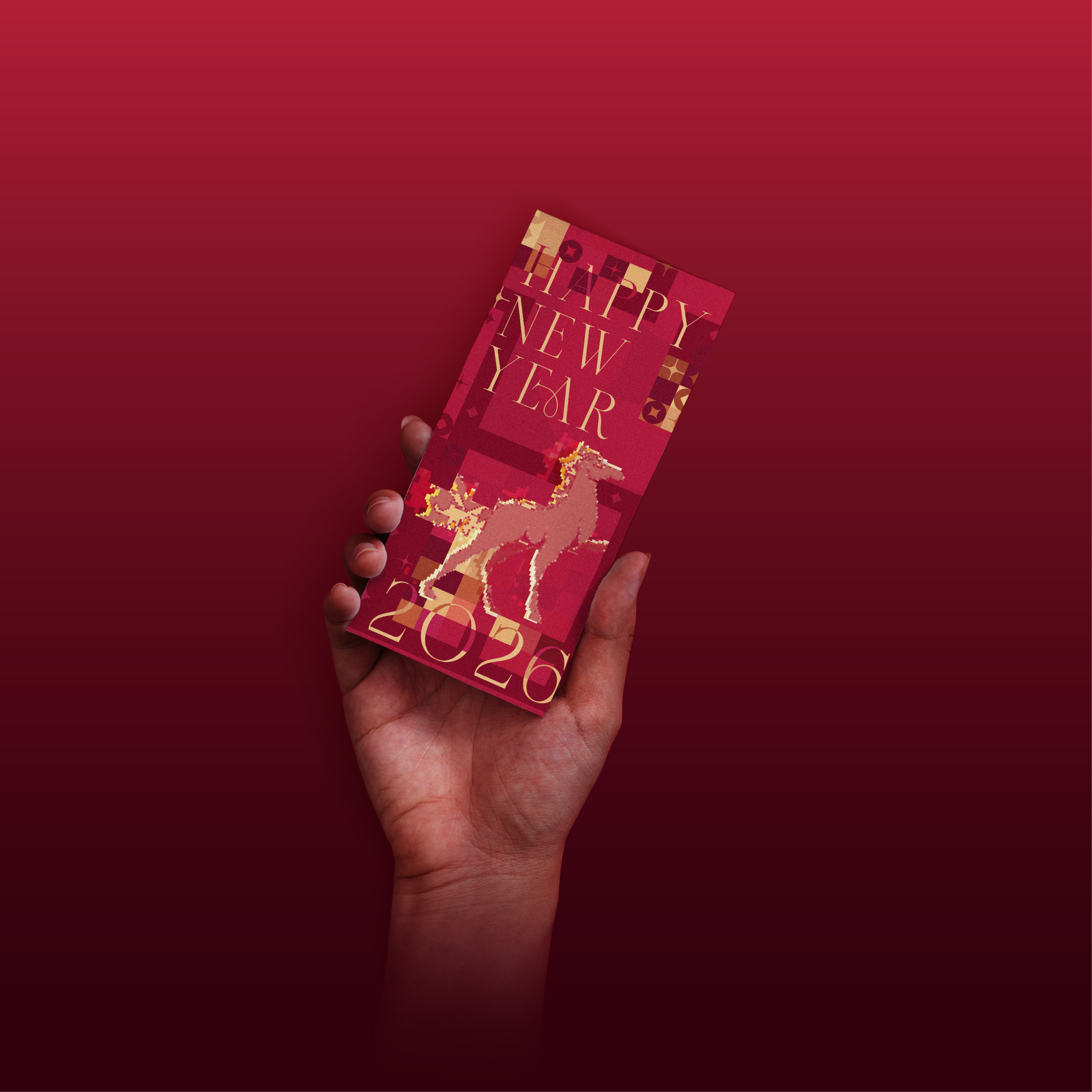
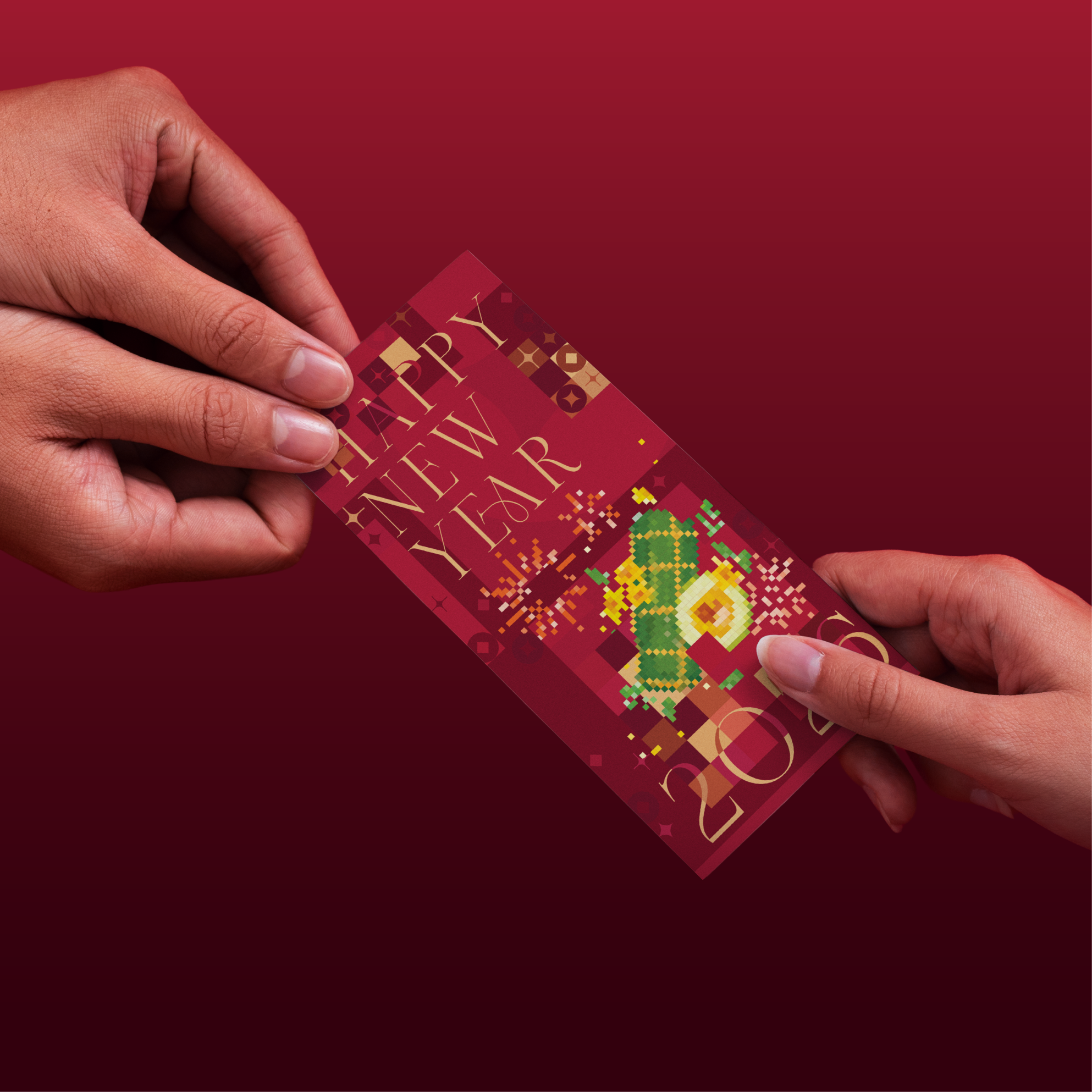
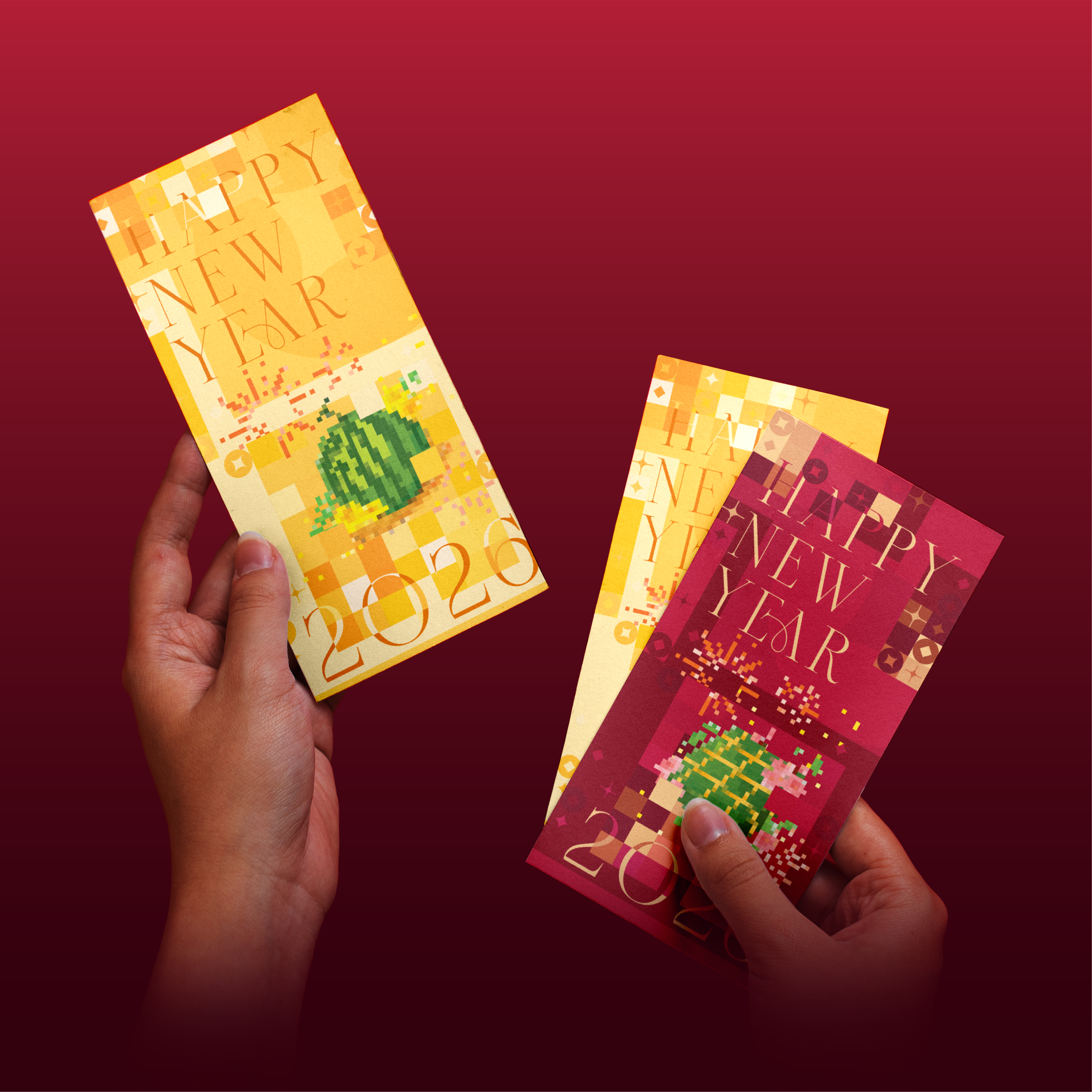
Mảnh Tết red envelopes were created from the desire to retell the story of Tết Nguyên Đán through a fresh perspective. Rather than presenting traditional imagery in its complete and familiar form, Mảnh Tết embraces fragmentation and reconstruction, translating cultural symbols into a contemporary visual language inspired by pixels and modular forms. This approach allows tradition to be continued—not repeated—within today’s evolving cultural context.
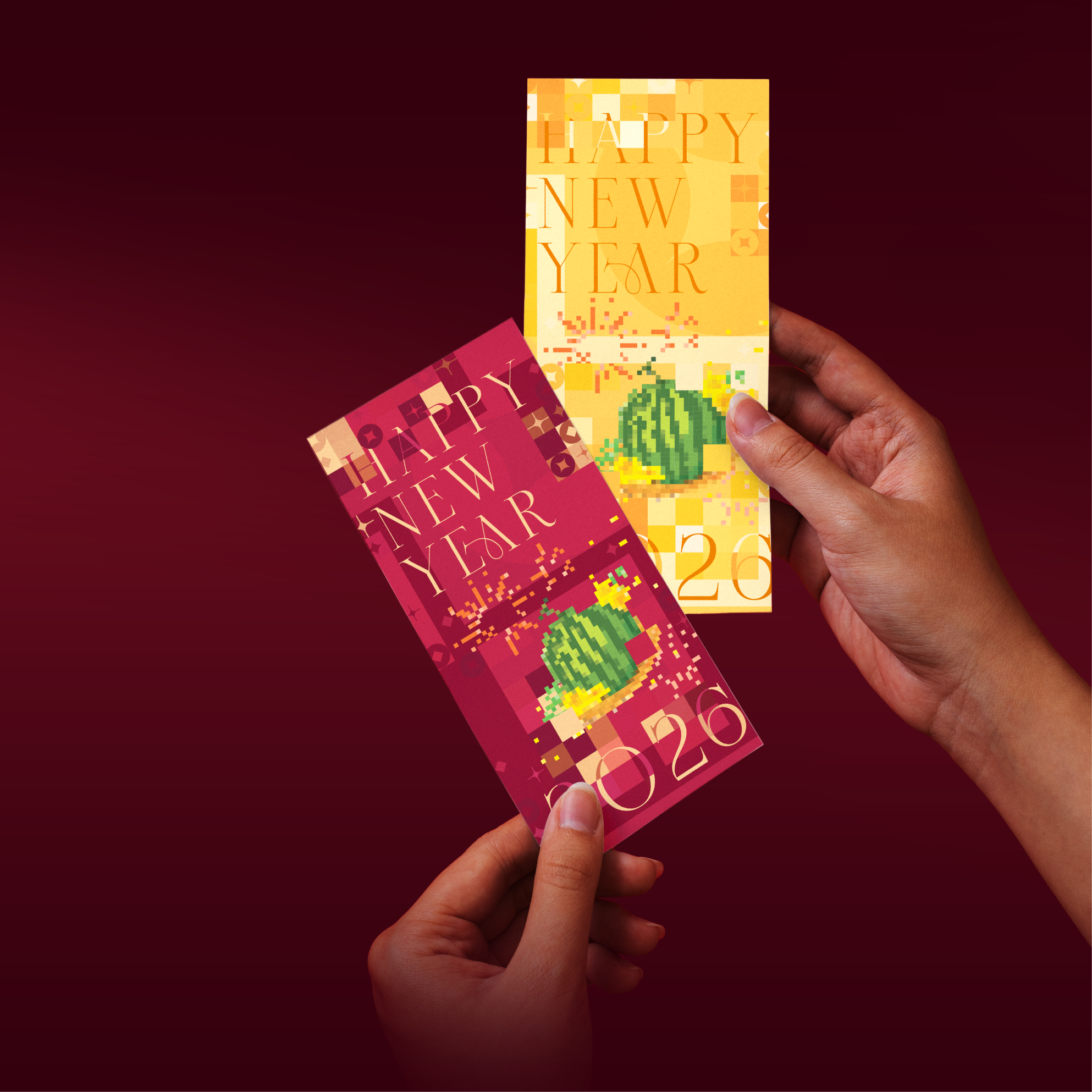
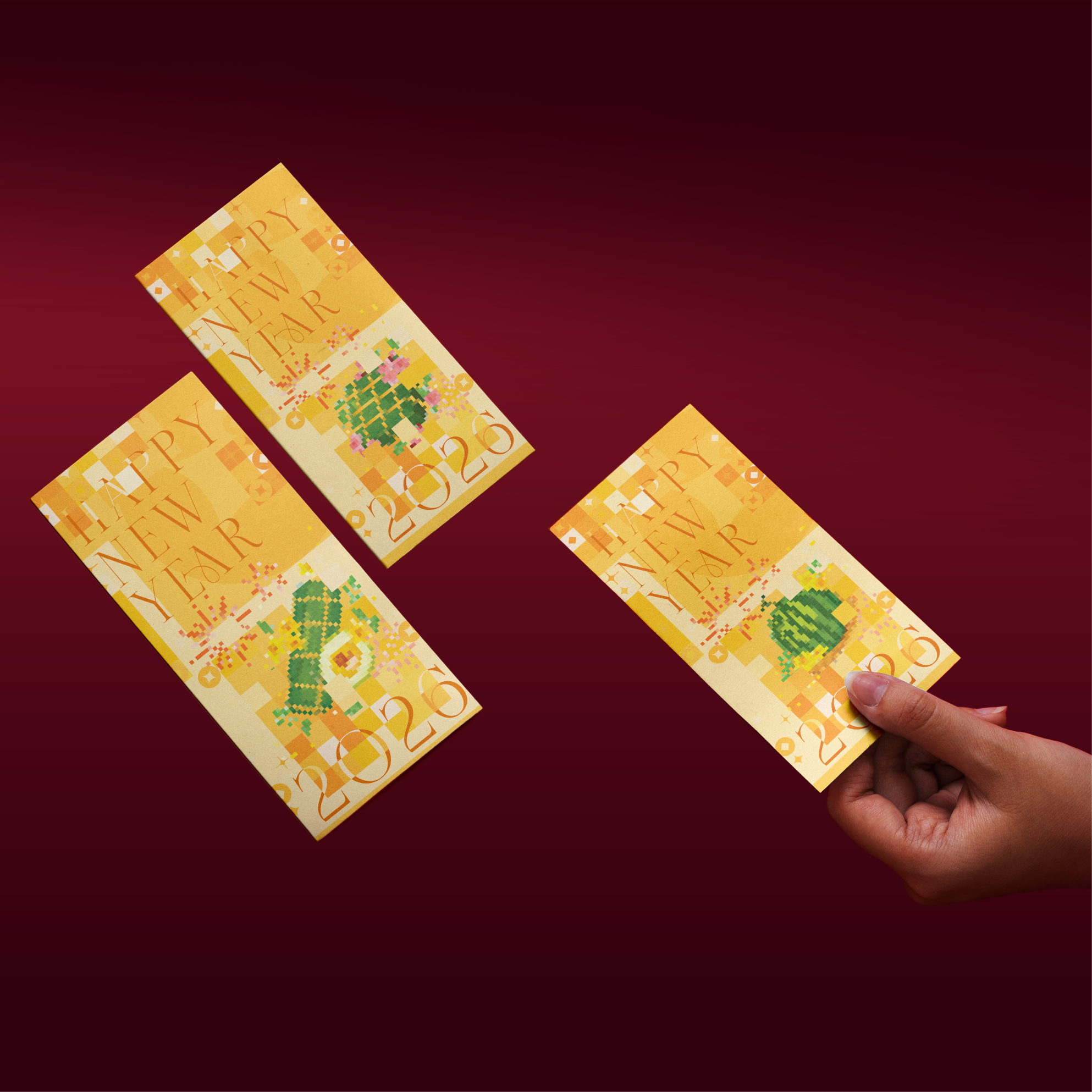
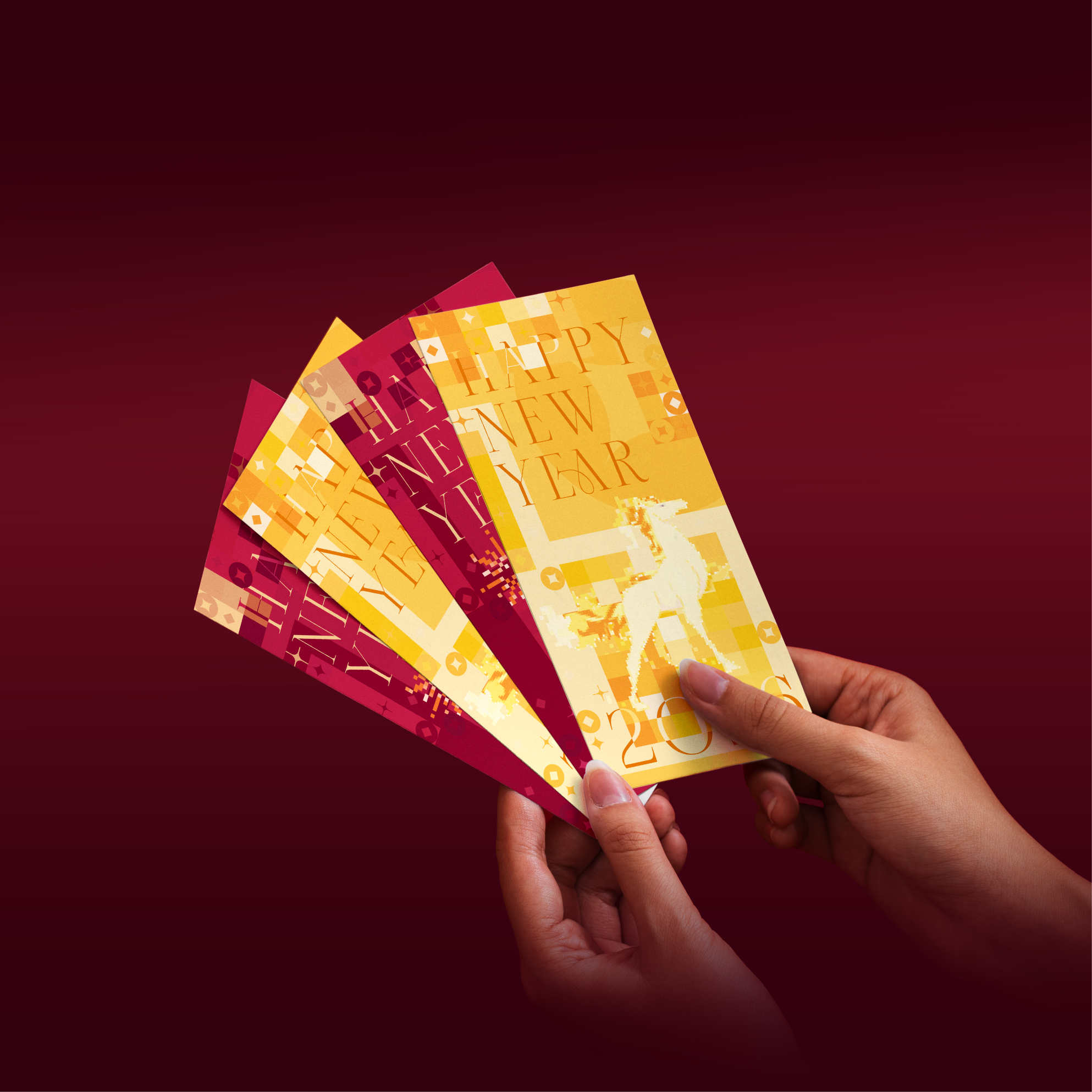
Mảnh Tết is more than a vessel for New Year’s lucky money; it represents a fragment of cultural memory. Each visual element on the envelope references a familiar symbol of Vietnamese Tết—such as bánh chưng, the five-fruit tray, or the zodiac animal of the year—reinterpreted through modern design while preserving its original meaning.
When gifting a Mảnh Tết red envelope during the Lunar New Year, the gesture carries more than wishes of luck, prosperity, and well-being. It conveys respect for cultural heritage, a spirit of renewal, and belief in the continuity between generations. In this way, Mảnh Tết is not simply a festive object, but a contemporary way of telling the Tết story, where each small fragment contributes to a complete and meaningful celebration.
Origin
Tết Nguyên Đán, also known as the Vietnamese Lunar New Year, is the most important celebration in Vietnam. It marks the beginning of the new year according to the lunar calendar. More than a simple transition between the old and the new year, Tết is a time for family reunions, togetherness, and returning to one’s roots. It reflects long-standing cultural values, including honoring ancestors, exchanging good wishes, and praying for health, prosperity, and good fortune in the year ahead.
Traditional symbols such as bánh chưng (square sticky rice cake), the five-fruit tray, peach blossoms or apricot blossoms, and red envelopes (lì xì) are essential elements of Tết, each carrying wishes for abundance, luck, and peace.Through time, while preserving its traditional spirit, Tết continues to be reimagined through contemporary perspectives, embodying the harmony between heritage and modern life in Vietnamese culture.
Inspiration
Mảnh Tết is a contemporary reinterpretation of Tết Nguyên Đán through the lens of fragmentation and reconstruction. Familiar symbols of the Vietnamese New Year — from bánh chưng and the five-fruit tray to the zodiac animal of the year — are no longer presented as complete forms, but are broken down into visual fragments, shaped by a pixel-based, modern graphic language. Through this intentional deconstruction, tradition is not lost, but reimagined with a new rhythm: both familiar and unexpected. Each fragment represents a memory, a cultural symbol, and when reassembled, they form a vision of Tết that is both nostalgic and contemporary — a space where past and present coexist within a single frame.
“Fragment”
The word fragment refers to a small part separated from a whole. In a visual and design context, it does not simply imply brokenness, but rather selection, analysis, and reconstruction. Each fragment represents a unit of memory, a cultural detail, or an emotional slice of Tết. When these fragments are placed together, they form a new image — different from the original, yet still preserving its core spirit.
“Tết”
Tết symbolizes beginnings, reunion, and tradition in Vietnamese culture. It marks the sacred moment of the Lunar New Year, when family values, ancestral roots, and hopes for the future are honored. More than a holiday, Tết is a collection of memories, customs, and images deeply embedded in the Vietnamese collective consciousness across generations.
Together — “Mảnh Tết”
When combined, these two words create a concept that is both familiar and fresh: Tết seen through fragments. It represents the intersection of tradition and modernity, where cultural memory meets contemporary visual storytelling. Mảnh Tết does not break the spirit of Tết; instead, it opens a new way to perceive and reconnect with traditional values through a modern lens.
Tết 2026 Zodiac – The Horse
The horse symbolizes endurance, freedom, and forward momentum, often associated with movement and aspiration. Within the Tết context, it represents a year of energy, progress, and smooth journeys ahead. When rendered in pixel and fragmented styles, the horse shifts from realism to abstraction, becoming a symbol of motion and renewal, reflecting the spirit of Tết in the digital age.
Vietnamese Conical Hat (Nón Lá)
The conical hat symbolizes the simplicity and cultural identity of Vietnam, closely associated with everyday life across generations. In the context of Tết, it evokes the journey home, protection, and a sense of belonging. When reinterpreted through modern design, the nón lá moves beyond its functional role to become a visual symbol of memory and origin, abstracted and reconstructed to resonate with contemporary aesthetics.
Five-Fruit Tray
The five-fruit tray represents wishes for abundance, harmony, and prosperity, rooted in the philosophy of the five elements. Each fruit carries a blessing for the new year. Through a modern design lens, the tray is fragmented into shapes and colors, creating a new visual rhythm where traditional values are retold through graphic language that feels both familiar and innovative.
Cylindrical sticky rice cake
Bánh tét is a symbol of Southern Vietnamese Tết, deeply connected to family gatherings and the spirit of sharing. Its cylindrical form represents wholeness and continuity, reflecting the cyclical nature of time. When translated into pixel-based and fragmented design, bánh tét becomes a bold geometric form—preserving regional identity while embracing a contemporary creative approach.
Chung cake (square sticky rice cake)
Bánh chưng symbolizes the earth, gratitude, and ancestral reverence, standing at the core of the Vietnamese Tết narrative. Its square shape represents stability and balance. In contemporary design, bánh chưng is deconstructed into pixels and visual fragments, demonstrating how tradition can be reimagined rather than merely repeated, allowing a familiar symbol to exist within a modern visual space.
Watermelon
Watermelon is a symbol of luck, prosperity, and joy, with its red interior representing good fortune at the start of the year. In a modern Tết narrative, watermelon is explored through color and form, becoming a playful visual accent that adds vibrancy and youthfulness while retaining its traditional meaning.
Overall Narrative
Together, these symbols form a reimagined portrait of Vietnamese Tết told through contemporary design language. By fragmenting, reconstructing, and simplifying traditional imagery, the project preserves cultural essence while offering a fresh perspective—where Tết is experienced through memory, form, and the visual rhythm of the present day.
 monther al omari
 Ximena Ureta Design Studio.
 vitoramockup
 Up-Brands
 Sophiagdotcom
 Peter said
 ayeidadezigns
 Tancybox
 宏洛图品牌设计HONGLT
 Modern Theory
 Dozen Agency
 Atiq Alam
 Olio Studio
 Ruchi S. Joshi
 mmdesign
 awaiskhadim
 Octasoft
 United Creatives Studio
 Kingdom & Sparrow
 Anastasia Bakhmatskaya
 CreativeWise
 Great and Golden