
E-commerce Packaging vs. Retail Packaging – What’s the Difference?
Custom packaging protects products, provides key information, and shows the brand. It keeps products safe and also shapes how customers see them. Today, brands sell products both online and in stores. Online sales need packaging that is durable enough to survive shipping and arrive in good condition. Store sales require packaging that attracts customers.
These two types of packaging are called e-commerce packaging and retail packaging. Knowing the difference helps brands design product boxes that work for both the product and the customer experience.
In this blog, I will discuss what e-commerce packaging and retail packaging are, and how they differ.
What is E-commerce Packaging?
E-commerce packaging refers to packaging made for shipping products directly to customers. Its role is to make sure the product reaches the buyer safely, undamaged, and presentable after going through multiple shipping stages.
Key Features of E-commerce Packaging:
Here are some key features of e-commerce packaging:
- Durability: Custom boxes and mailers must withstand handling, stacking, and rough shipping.
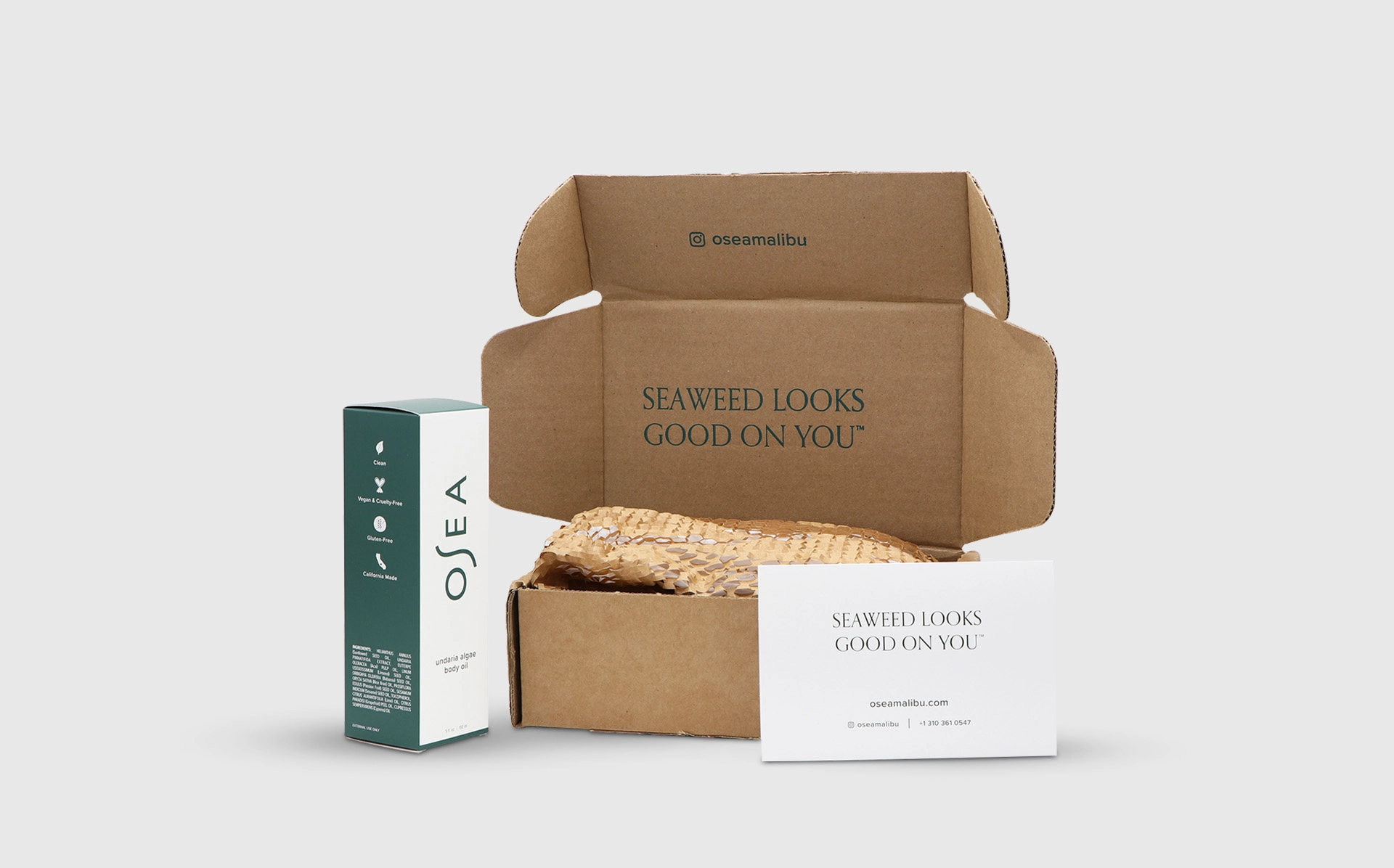
- Protective Inserts: Cushioning, like corrugated dividers or kraft paper, keeps items stable.
- Practical Design: Easy-to-open yet secure closures reduce damage and improve customer experience.
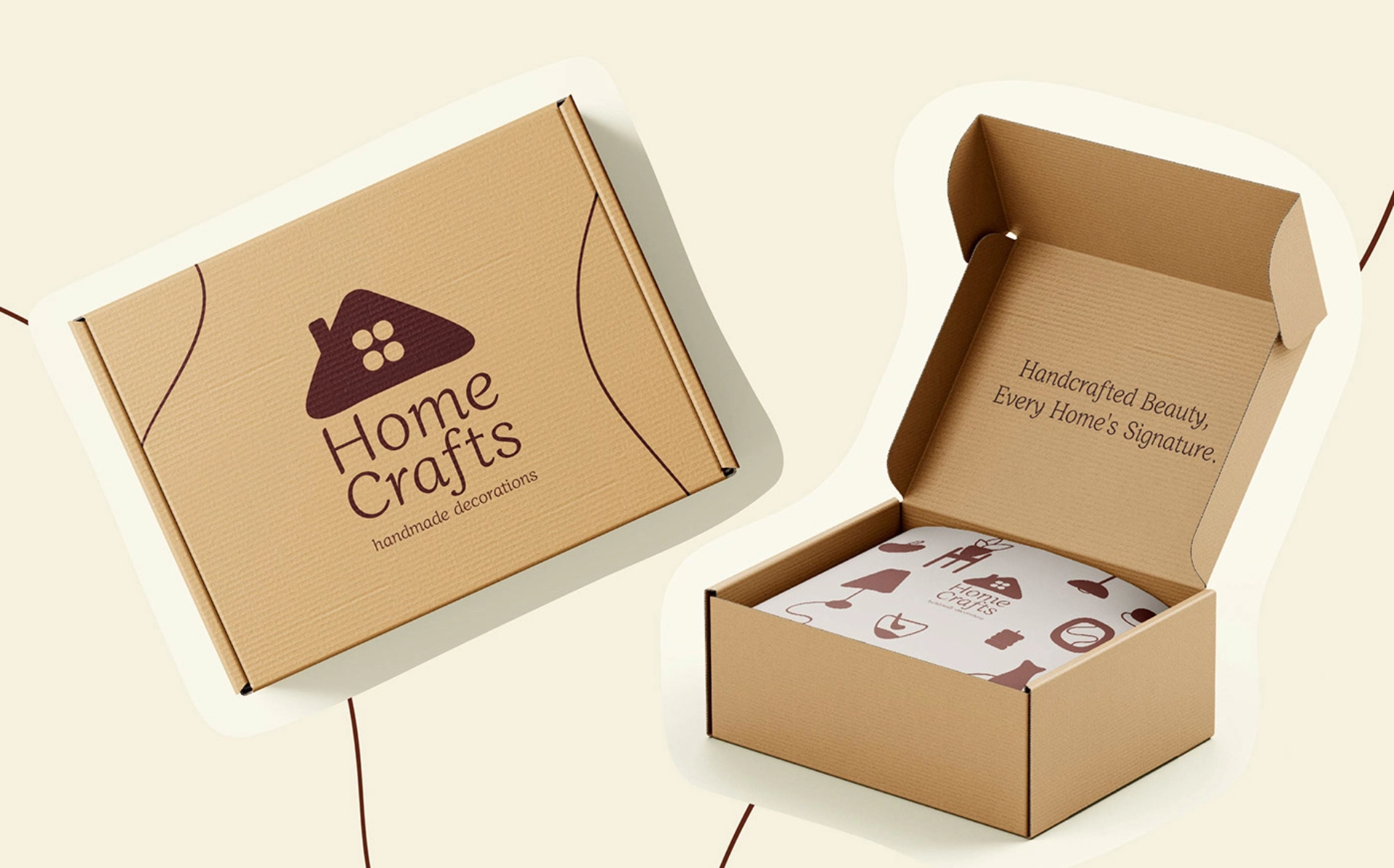
- Brand Experience: Options like custom boxes with logo, tissue wraps, or thank-you cards add a branded touch to e-commerce packaging.
- Sustainability: FSC-certified, biodegradable, compostable, and recyclable materials help reduce waste.
Examples include corrugated shipping boxes, padded mailers, and subscription packaging that provides protection and is also great for branding.
What is Retail Packaging?
Retail packaging is used for products sold in stores. It shows product details and supports buying decisions.
Key Features of Retail Packaging:
Here are a few features of retail packaging:
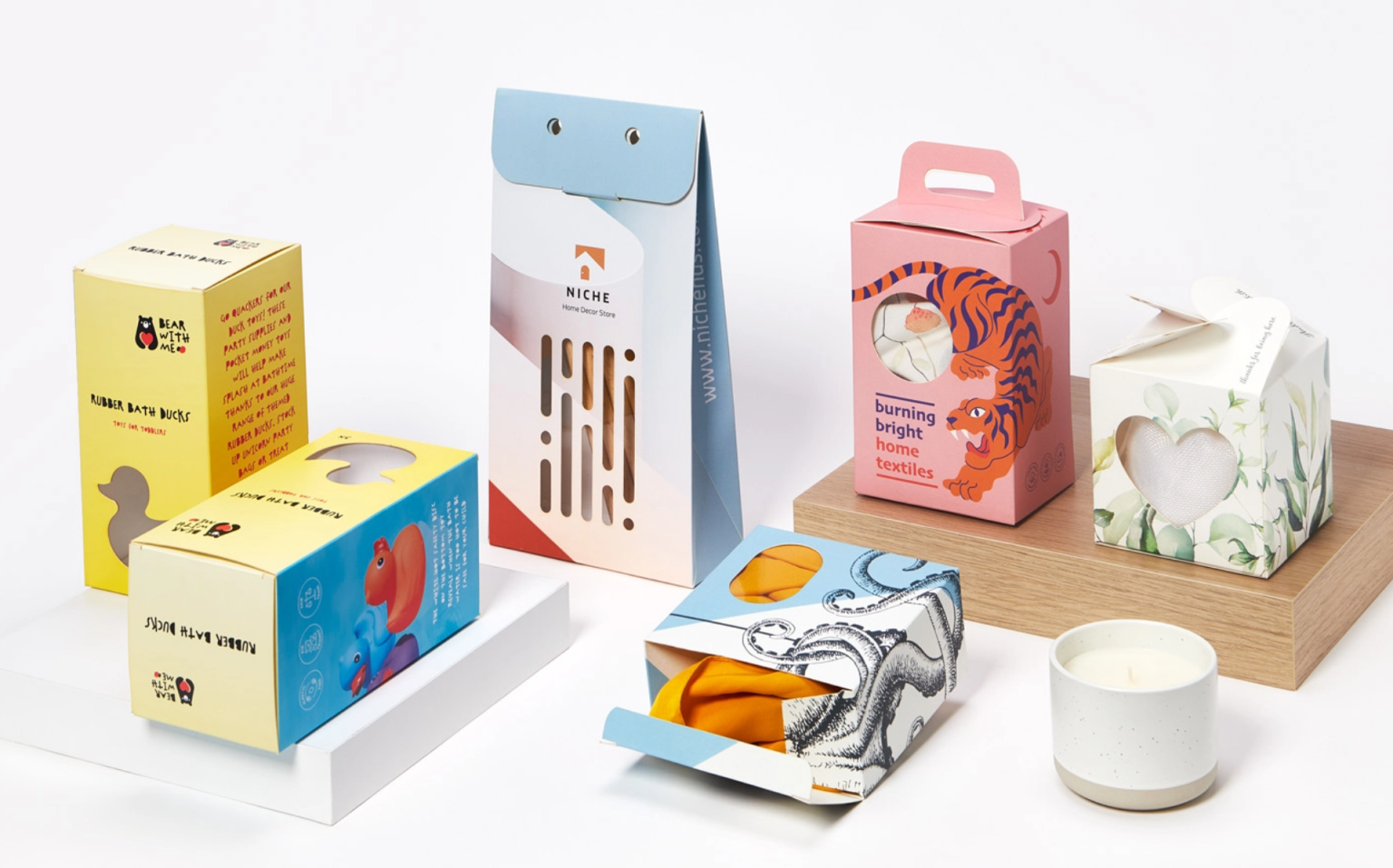
- Shelf Impact: Vibrant colors, creative shapes, or premium finishes draw attention.
- Information Display: Labels, nutritional facts, or product details to guide customers.
- Material Options: Materials such as rigid and cardstock are used, depending on the product.
- Brand Identity: Fonts, graphics, and finishes make your brand more visible on the retail shelf.
- Convenience: Resealable features, handles, or PVC windows improve usability and visibility.
Retail packaging is often lighter and more focused on the design compared to e-commerce packaging. Many brands opt for custom boxes for retail packaging to make their products more visible on shelves.
Key Difference Between E-commerce and Retail Packaging
Let’s discuss some key differences between e-commerce and retail packaging:
Purpose
E-commerce packaging protects products during shipping.
Retail packaging is used in stores to display products and provide information to customers.
Design Focus
E-commerce design focuses on durability and safe delivery.
Retail design focuses more on the visual appeal and marketing.
Customer Experience
E-commerce ensures it creates a memorable unboxing experience.
Retail creates a first impression in-store.
Materials Used
E-commerce uses corrugated boxes, padded mailers, and packaging inserts.
Retail uses folding cartons, pouches, and rigid boxes.
Durability Needs
E-commerce packaging must withstand drops, stacking, and shipping.
Retail packaging is lightweight as they are displayed on store shelves.
Cost Drivers
E-commerce packaging costs more for sturdier materials and shipping safety.
Retail packaging costs more for printing, finishes, and structural design.
Sustainability Approach
E-commerce focuses on reducing shipping waste and lightweight designs.
Retail focuses on minimal but eye-catching designs with recyclable materials.
Information Display
E-commerce packaging includes labels that show shipping and handling details.
Retail packaging must display all details (ingredients, usage, barcodes).
Marketing Role
E-commerce packaging supports branding during unboxing.
Retail packaging markets the product directly on shelves.
Brand Touchpoint
In e-commerce, the package is the first interaction a customer has with the brand.
Retail packaging represents the brand in the store.
In short, e-commerce packaging focuses on safe delivery, whereas retail packaging focuses on being noticed by shoppers.
Conclusion
Both e-commerce packaging and retail packaging protect products and build brand value, but their roles differ. E-commerce focuses on safety and unboxing, whereas retail focuses on visibility and improving sales.
Brands should work with trusted packaging suppliers to design the right solution. Whether on a store shelf or at a customer’s doorstep, the right packaging creates lasting impressions.
 Scott Andrew
 sophioc
 Marta Wasilewska
 House of Thought
 Krithika Chakkaravarthy
 Reema
Reema Oksana
 Palashcc
 KoverCsengeAgnes
 Carreto Concepts Design Studio
 Viktoriia Graber
 Sealburger
 Farah Haddad
 Sami Asaad
 Modern Theory
 PLUSDESIGbd
 Ayanna
 Flow Creative
 jonathanag90
 Creative Platform
 alchimistestudioParis
 Eman AlGhasra
 andreamarinnn