
Beyond the Box: Key Packaging Design Trends for the year coming
Packaging is no longer just a container – it’s become a critical part of the consumer experience and brand identity.
In the new year coming, the packaging design landscape is all about sustainability, innovation, and personalization as brands adapt to changing consumer expectations.
In fact, packaging today is seen as a strategic asset that can make or break a product’s success.
The following trends illustrate how design is evolving to meet not only aesthetic goals but also deeper demands for environmental responsibility, technology integration, and consumer engagement.
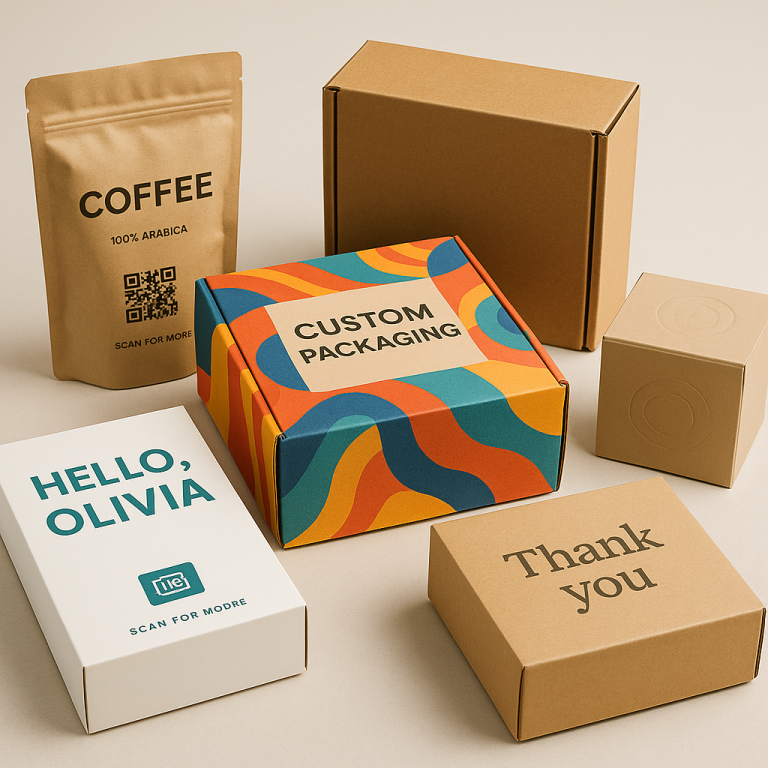
Figure: Contemporary packaging designs blend bold creativity with sustainable materials, reflecting the industry’s modern trends.
Sustainability Becomes Non-Negotiable
Modern consumers are increasingly eco-conscious, making sustainable packaging a top priority. Sustainability has shifted from a nice-to-have differentiator to a baseline expectation.
According to a recent consumer survey, 90% of shoppers say they are more likely to buy from brands with eco-friendly packaging, and nearly 40% have even switched to a competitor because its packaging was more sustainable.
These numbers highlight a clear business imperative for greener design.
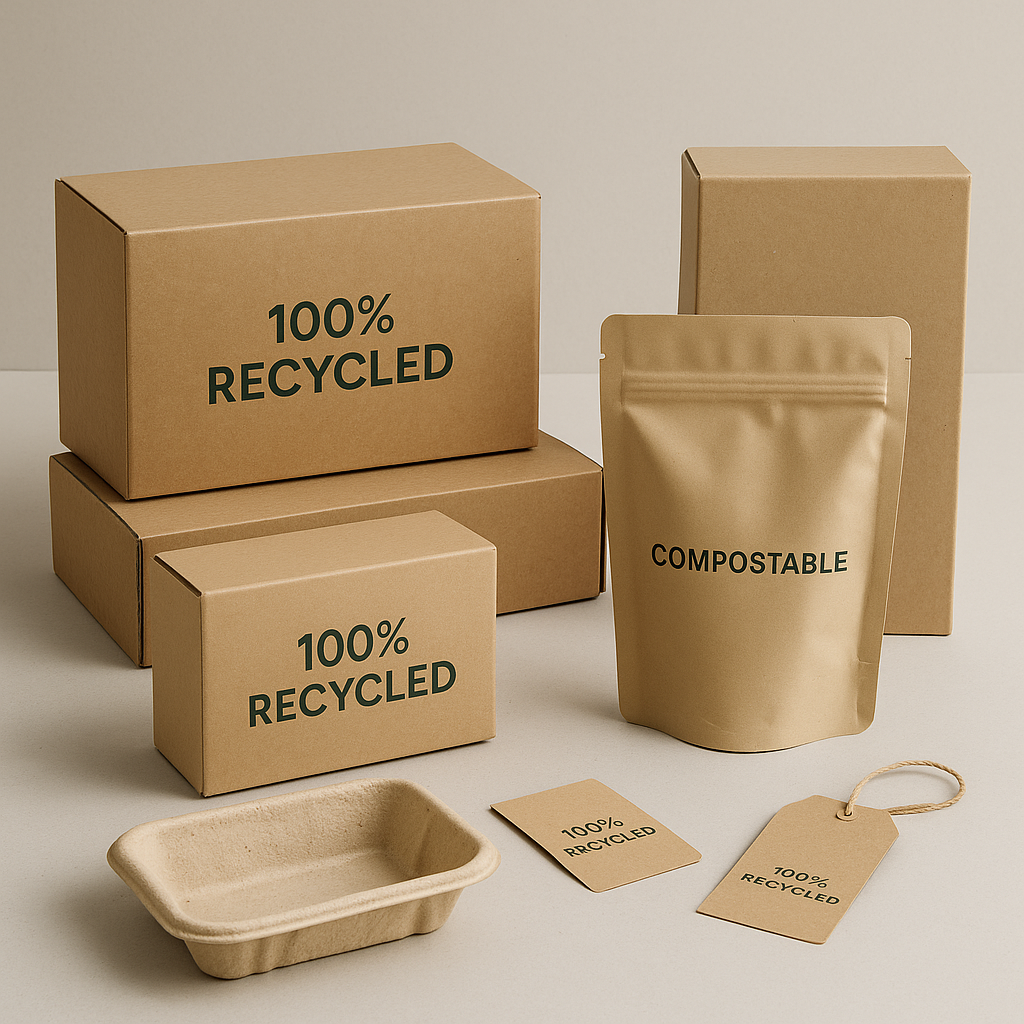
In response, companies are adopting plastic-free materials, using more recycled content, and cutting down on excess packaging. Innovations like compostable bioplastics, paper-based alternatives to plastic, and minimalist packaging that reduces waste are gaining traction.
Many suppliers are even investing in carbon-neutral printing processes to shrink their production footprint. The goal is to integrate sustainability at every step without sacrificing functionality or aesthetics.
Equally important, eco-friendly design must still deliver on usability.
Consumers expect packaging to be sturdy and convenient – think resealable bags or easy-open tabs – even when it’s made of greener materials.
Designers are rising to the challenge with new materials and smarter structures that use less material while still protecting the product. In short, green packaging has become the new normal, and brands that fail to demonstrate environmental responsibility risk alienating a values-driven generation of customers.
Personalized Packaging and Custom Experiences
In an age of personalization, one-size-fits-all packaging is giving way to more customized experiences. Brands are finding that tailoring a package – in look, message, or shape – to specific audiences or even individuals can create a stronger bond.
A famous example is Coca-Cola’s name-on-bottle campaign, which saw personalized labels ignite global consumer excitement and a sense of ownership over the product.
The simple thrill of seeing your own name (or a fun message) on a package drives home how powerful personal connection can be.
Fueling this trend is the rise of agile production technologies.
Digital printing has become a game-changer, allowing brands to economically print short runs of packaging with variable designs. This makes it feasible even for smaller companies to invest in custom packaging for seasonal promotions or targeted markets without breaking the bank. Many packaging providers now offer low minimum order quantities and quick turnaround on custom-printed boxes, pouches, and labels.
For example, specialized partners like Paking Duck enable brands to get bespoke packaging – complete with design support and flexible production runs – that reflect their unique story and style.
Another driver of personalization is data and AI-powered design.
Some forward-thinking brands are using artificial intelligence to generate hyper-customized graphics or text on their packages.
Packaging can now be dynamically adapted based on consumer data or trends – imagine a limited edition wrap that changes design for each city, or an online order box printed with the customer’s name.
Smaller startups have led the way with these experiments, while larger brands watch and learn.
Importantly, personalization isn’t just about graphics; it extends to the structure and unboxing experience as well.
Brands are designing unique box shapes, creative opening mechanics, and even adding surprise inserts or messages inside packaging to delight customers. In the social media era, a “share-worthy” unboxing can translate into free marketing as people post their personalized packages online.
All told, treating packaging as an extension of the brand’s personality – and even the customer’s personality – is proving to be a winning strategy for engagement and loyalty.
Technology Makes Packaging Interactive
New technology is transforming packaging from a passive container into an interactive experience.
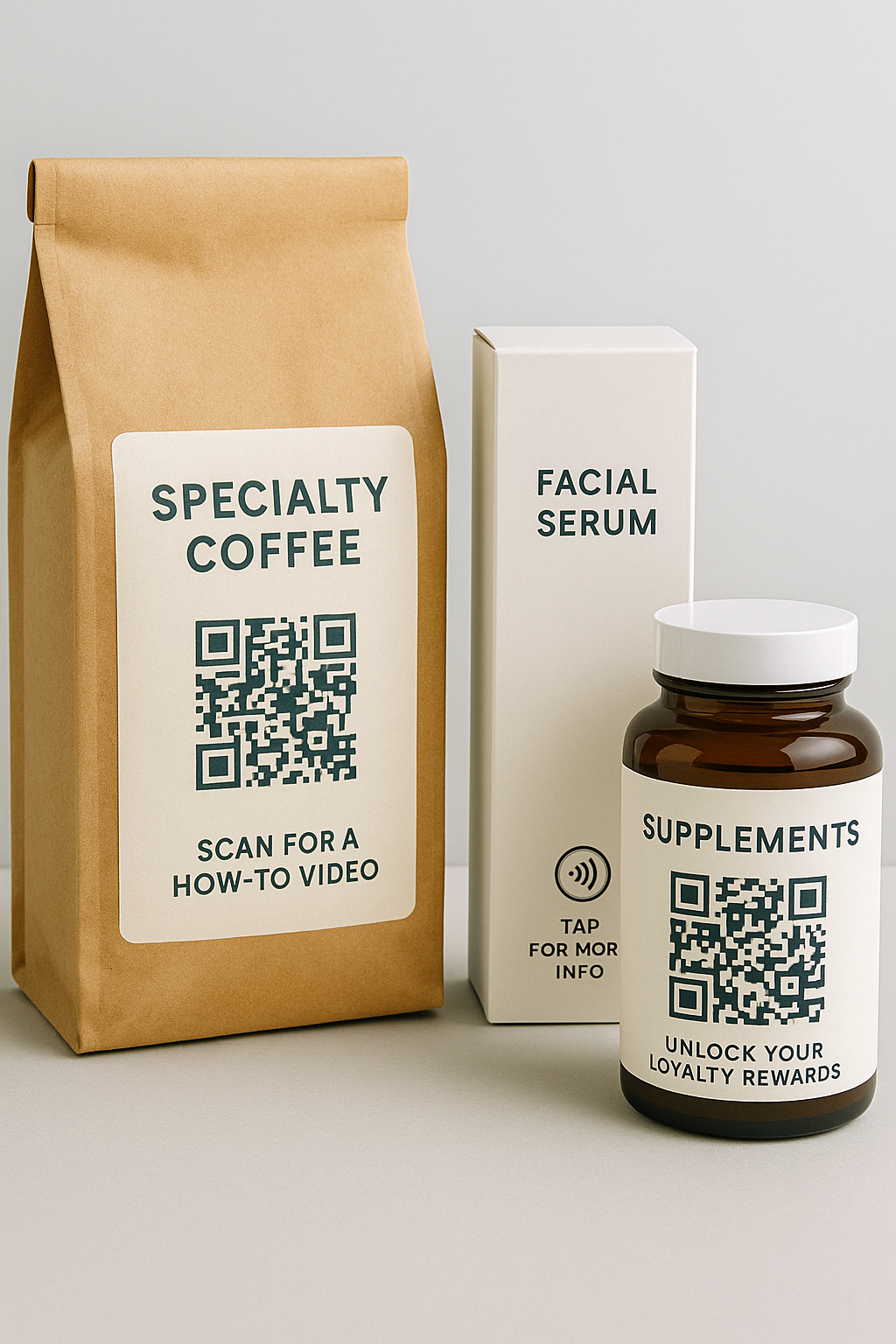
Smart packaging equipped with QR codes, NFC tags or augmented reality elements lets consumers connect with digital content through the package itself. Scan a code on a label, and you might launch a 3D AR animation, get recipe videos, or unlock a loyalty reward. This kind of interactivity bridges physical and digital shopping, offering extra value and entertainment beyond the product inside.
Tech-enabled packaging can also build trust by sharing more information. For example, Danone has added QR codes to some product cartons that link to local recycling guides, helping customers dispose of the packaging correctly and reinforcing the brand’s sustainability efforts.
Similarly, brands can use smart packaging to provide authenticity verification or to tell the story behind a product’s origin. These features cater to consumers who increasingly want transparency about what they buy.
Behind the scenes, technology is streamlining how packaging is designed and delivered. Digital printing and 3D prototyping shorten development cycles dramatically, allowing for rapid iteration and customization.
Some brands are exploring blockchain tracking on packaging for end-to-end supply chain visibility – letting anyone scan and see a product’s journey from factory to store. And as e-commerce grows, we’re seeing packaging designed with logistics in mind, sometimes including sensors or smart tags that can monitor conditions or make reordering a snap via a quick scan.
Of course, any high-tech features have to genuinely enhance the user experience. A gimmicky app download or an overly complicated AR interaction can turn consumers off.
The best interactive packaging deployments keep things user-friendly – for instance, a quick QR scan that provides useful info or a fun surprise, with no hassle.
When done right, merging tech with packaging adds a new dimension to how consumers engage with a brand; when done poorly, it can feel like a pointless add-on.
Bold Designs and Multi-Sensory Experiences
Visually, packaging trends are diverging between extreme simplicity and vibrant maximalism. On one end, many brands are embracing minimalist design – think plain, uncoated cardboard with subtle logos or crisp white packaging with lots of negative space.
This aesthetic can signal modernity, sustainability, or premium quality by stripping away clutter. On the other end, there’s a wave of packaging that celebrates bold colors and retro flair.
Nostalgic and vintage-inspired graphics have made a comeback, as companies use throwback typography, patterns, and illustrations to inject personality and grab attention.
These maximalist designs often create a sense of nostalgia or artistry that helps a product stand out and feel memorable in a crowded market.
Beyond visuals, designers are increasingly considering the other senses in packaging.
Touch, for instance – a soft-touch matte finish, embossing, or a textured pattern – can make a package feel special and invite consumers to engage with it.
Luxury brands have long used such tactile techniques, but now even indie brands are adding accessible touches like raised ink or fabric-like paper to elevate perceived quality.
Scent is another angle: some packages include a subtle fragrance (imagine a hint of vanilla when you open a coffee box) to create an immersive unboxing moment.
These multi-sensory elements are becoming more common as brands seek to forge deeper emotional connections with consumers.
A package that not only looks good but feels good (or smells good) can leave a lasting impression and even encourage customers to keep or reuse it.
Conclusion: The packaging trends of 2025 reflect how brands are innovating to connect with consumers on all fronts. From eco-friendly materials and minimalist looks to high-tech interactions and personal touches, a common thread is that packaging now must deliver real value – be it reducing environmental impact, adding convenience, or creating delight.
Forward-thinking companies are treating packaging as a strategic opportunity to express brand values and captivate customers. In a time when a simple box can be a storyteller, a teacher, or a personalized gift, successful packaging design means thinking outside the box – and sometimes, reinventing the box entirely – to meet the high expectations of today’s consumers.

 monther al omari
 Ximena Ureta Design Studio.
 vitoramockup
 Up-Brands
 Sophiagdotcom
 Peter said
 ayeidadezigns
 Tancybox
 宏洛图品牌设计HONGLT
 Modern Theory
 Dozen Agency
 Atiq Alam
 Olio Studio
 Ruchi S. Joshi
 mmdesign
 awaiskhadim
 Octasoft
 United Creatives Studio
 Kingdom & Sparrow
 Anastasia Bakhmatskaya
 CreativeWise
 Great and Golden