
Customer demands
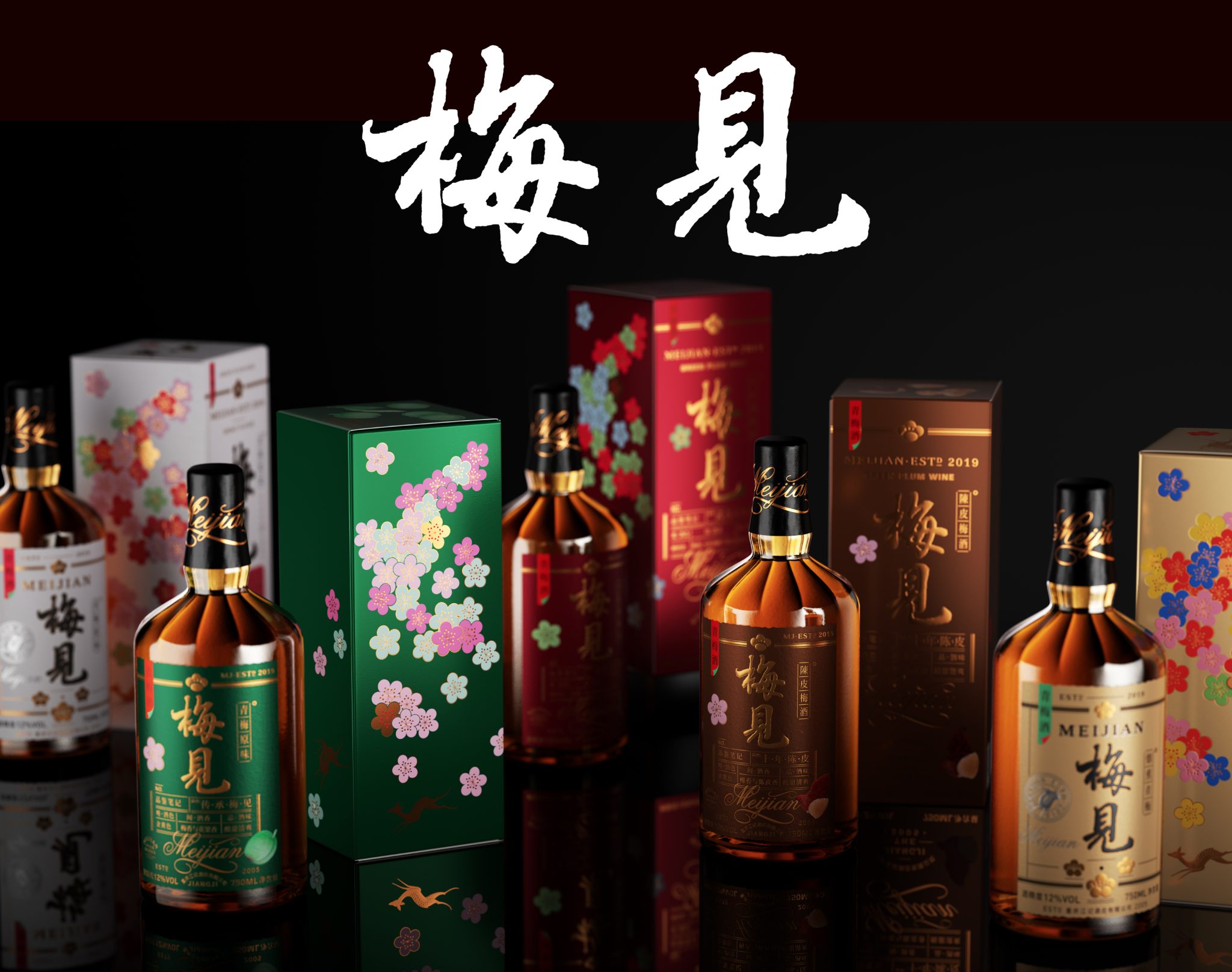
Meijian(梅见) is a highly acclaimed Chinese brand specializing in plum wine. With an approachable alcohol content of around 12-15%, it’s a versatile beverage enjoyed by a broad audience—men and women alike across all adult age groups.
The tradition of brewing plum wine in China is profound, dating back over a thousand years. To this day, in the ancient towns of Southern China, you can still find locals selling their own artisanal, bulk plum wine, a testament to the drink’s deep-seated place in Chinese culture.
Launched in 2019 by Jiangji Winery(江记酒庄), Meijian(梅见) quickly rose to become the market leader in its category. Starting from 2021, the brand embarked on a new strategic direction: to refresh its brand identity, enhance its premium perception, and significantly expand its product line with a variety of flavored expressions.
Mr. Qi Shuwei, Founder of Xique, expressed:
“I believe the evolution of Meijian(梅见) is, in itself, a landmark moment for Eastern aesthetics. It signifies our native product’s journey from initial branding towards international prominence, transforming into a globally competitive plum wine that our nation can be proud of.
My aspiration is for Meijian(梅见) to be more than just a commodity with a Chinese label. I want it to be a living, breathing Chinese brand that finds a place in everyone’s life.
This should never feel preachy. Instead, we must deeply respect our consumers’ taste and insight, aiming to build a silent ‘cultural resonance’ with them. When a consumer recognizes that a subtle detail represents a breeze-swept curtain, or identifies a color palette inspired by Tang and Song art(唐宋艺术), they experience a sense of belonging—that feeling of ‘I am the one who truly understands.’This emotional connection, this shared cultural understanding, is the most robust brand moat we can possibly build.”
Building an Unbreachable “Brand Moat”
The Meijian Calligraphic Wordmark Has Been Refined
As you can see, the Meijian logo consists of two calligraphic characters. Their strokes were originally sourced from two renowned ancient calligraphers—Wang Xizhi(王羲之) and Lu Jianzhi(陆柬之). This was a clever design choice and has been well-received by the market.
In this upgrade, we made only subtle refinements: we unified the characters under the style of Lu Jianzhi(陆柬之). Now, the logo looks as if it were written seamlessly with one brush—a complete and cohesive work of art.
Plum Blossom Seal and Waterfall
“Mei(梅)” ( Plum ) is the very essence that distinguishes Meijian(梅见) from other wines. To strongly reinforce this core identity in the consumer’s mind, we created three unique symbolic assets:
First, the “Signature Plum Blossom” — an emblem permanently placed beside the Meijian(梅见) calligraphy, acting as its authenticating seal.
Second, we introduced “The Plum Landscape” — a poetic visual realm composed of a sika deer (whose spotted coat echoes plum blossoms) and a cascading “plum blossom waterfall.”
The sika deer, gentle and noble, carries a symbolism of auspicious fortune in Chinese culture. A pair of them in graceful pursuit has become Meijian’s constant brand companions. They infuse a sense of warmth and approachability into the composition, transforming what might be a serene and rational scene into one that feels alive and intimately connected.
Elevating Perceived Value for a Global Audience
Gongbi-style Ingredient Illustrations
For flavor differentiation, we employed the traditional Chinese art of “Gongbi painting(工笔画),” deliberately moving away from the woodcut prints commonly used in international whisky branding.
Gongbi painting(工笔画) is inherently synonymous with “artisan precision” and “refined sophistication.” We discovered it harmonizes unexpectedly well with modern design aesthetics.
Using this meticulous technique to depict a single plum is a deliberate statement: it communicates the exceptional value of this series and the company’s deep dedication to ingredient quality.
The Detail of the Swaying Curtain
In the upper left corner of the Meijian(梅见) design, we placed a gently swaying curtain. This easily evokes a sense of a soft breeze and flowing air.
Since Meijian(梅见) has a refreshing taste profile and is often enjoyed with ice, we believed this approach to be more sophisticated and subtle than literally depicting an ice cube. The “wind” that lifts the curtain is a nod to the traditional entrance of a classic Chinese tavern, while also serving as a symbol of nature, openness, and coolness.
This captured moment in motion conveys a deeper Eastern philosophy: that sense of sudden clarity and the belief that “a peaceful mind naturally feels cool.(心静自然凉)”
Classical Colors from the Tang and Song Dynasties
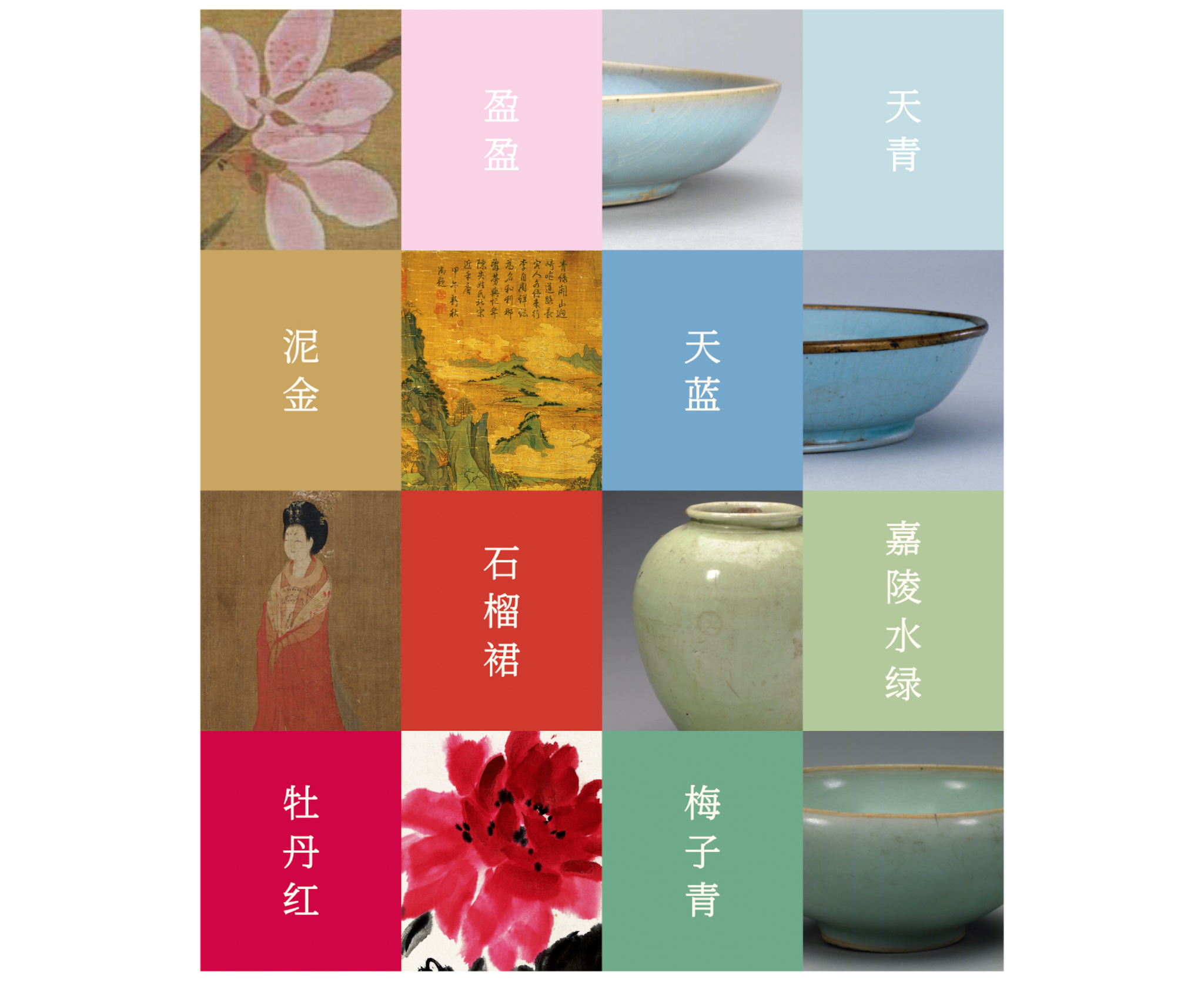
We made a deliberate departure from the conventional bright plum blossom pink for our “Plum Waterfall(梅瀑)” motif. Instead, we drew our palette from the revered heritage colors of the Tang and Song dynasties(唐宋朝代)—widely considered the zenith of Chinese culture, aesthetics, and economic prosperity.
The Tang Dynasty palette is rich, confident, and vibrant, reflecting its expansive spirit.The Song Dynasty palette embodies subtlety, refinement, and serene purity, mirroring the elegance of its iconic ceramics.
These are hues that resonate deeply with the Chinese soul. We believe this conscious choice will evoke a profound emotional connection, allowing consumers to project their inherent appreciation for this golden age of artistry directly onto the Meijian(梅见) brand.
Establishing a Clear Value Hierarchy Across the Portfolio
Tasting Notes
We have established a structured layout system for each product based on four key dimensions: raw ingredients, craftsmanship, target audience, and drinking occasion. Each label features concise, evocative copy that highlights the unique character of the wine. For instance:
“Secret-recipe dark plums, smoked with blended herbs” emphasizes traditional artistry.
“Liquid gold for refined business dining” creates precise situational appeal.This approach ensures every bottle tells a compelling story that resonates with its intended context, effectively inspiring purchase decisions for specific moments.
 butterflyhunters
 monther al omari
 Asprey Creative
 About House of Ta
 Up-Brands
 KJS CRAFT
 hello ocean
 PG Branding
 CF Napa Brand Design
 booouuuche
 Hyejung Choi
 Abbydraw Designs Unique Conceptual Branding & Packaging Designing Ideas
 Hollóka Grafikai Műhely / Graphic Design Studio
 Minim Brand Design
 saerom81
 YNL
YNL bilel tkouri
 vitoramockup
 Lampra
 Sanavala
 www.branding.uz
 alchimistestudioParis
 Estudio Argo
 Modern Theory